Conservation Status
Are Giraffes Endangered? Red List Status Explained
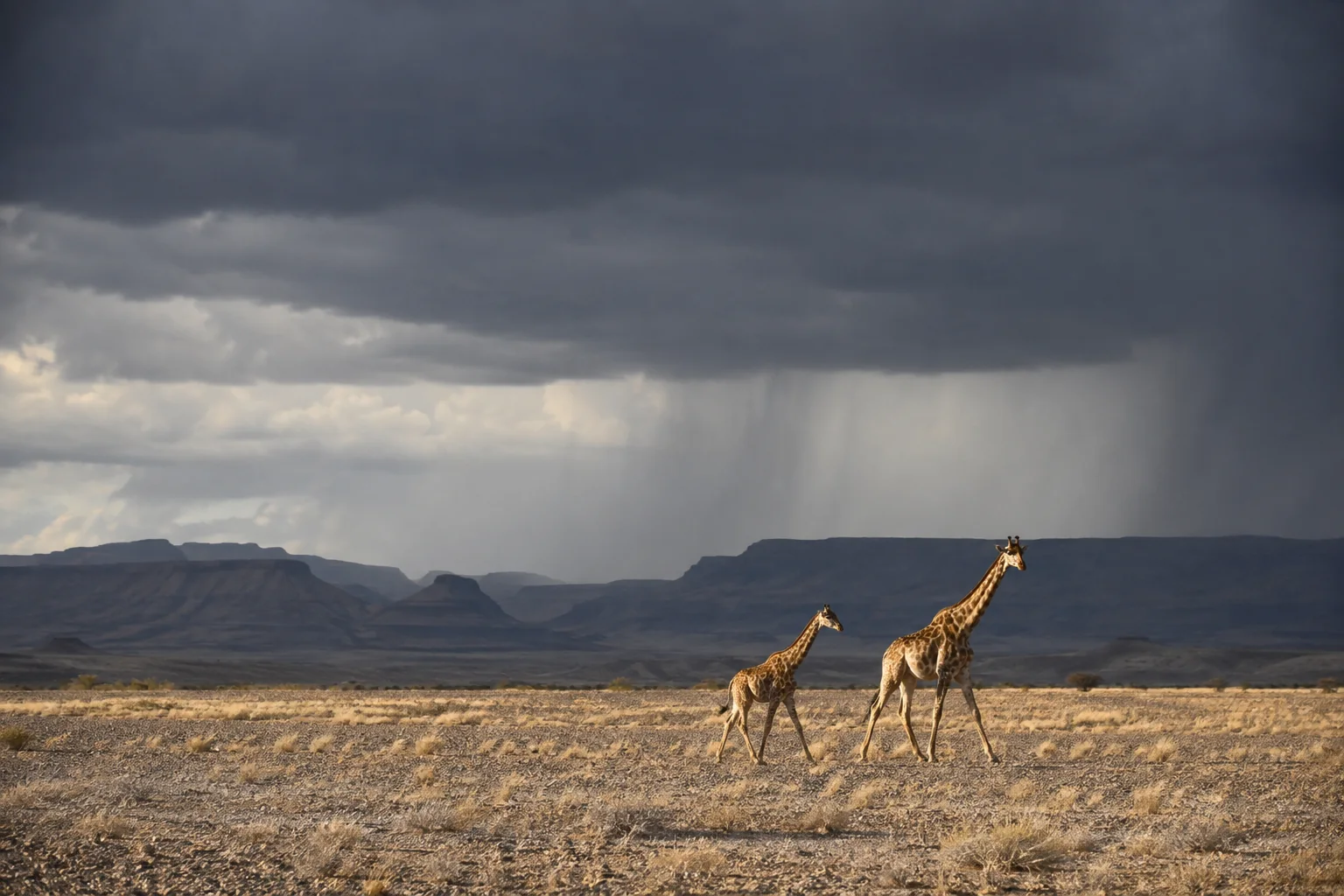
Vulnerable, Endangered and Critically Endangered all appear in giraffe assessments. The answer depends on which group was assessed, and when.
Giraffe article library
Species, conservation status, habitat, threats, ranger work, field science, physiology, taxonomy, and practical ways to help—all connected to the work of giraffe conservation.
Looking for study-by-study analysis? Read our scientific commentaries.
Conservation Status
Vulnerable, Endangered and Critically Endangered all appear in giraffe assessments. The answer depends on which group was assessed, and when.
Conservation Status
A larger total can hide a population in trouble. Here is what the giraffe numbers tell us—and what they cannot.
Conservation Status
A population table can become a recovery headline in one sentence. Here is how to check what gets lost along the way.
Conservation Status
A cleared feeding area, a wire snare and an unusually wet season can each change a giraffe's prospects—but they demand different explanations and responses.
Conservation Status
A clock makes extinction look inevitable. The more important question is which threats can still be changed.
Species & Taxonomy
One familiar silhouette hides four different evolutionary histories. Understanding which giraffe is which changes how we read their future.
Species & Taxonomy
One DNA result can describe a maternal line, an ancestry cluster or a modelled history. Knowing which one changes how a taxonomic claim should be read.
Species & Taxonomy
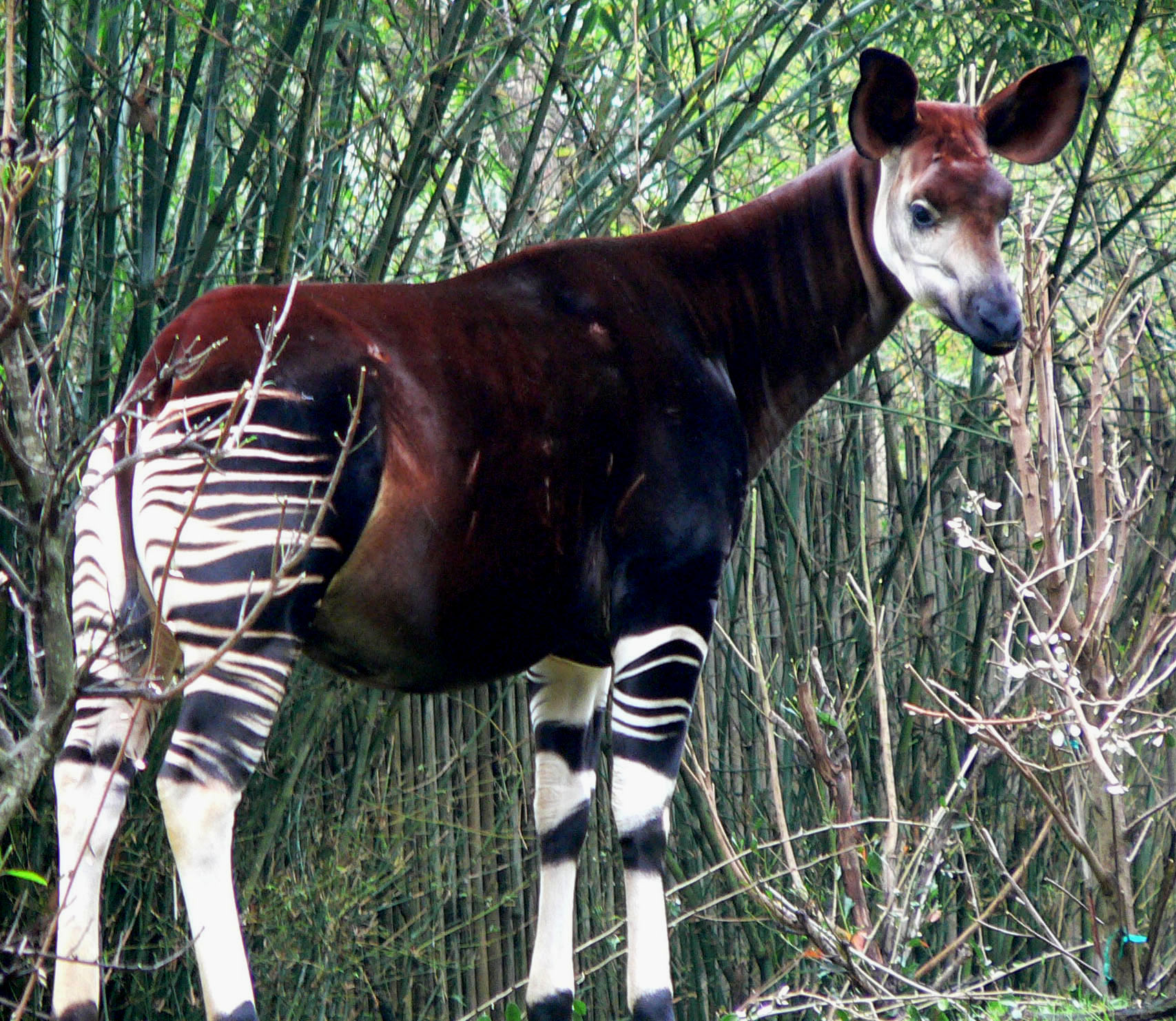
The stripes point you toward a zebra. The family tree points somewhere else entirely. Meet the giraffe's forest-dwelling relative.
Learn & Act
Seven neck bones, nighttime humming, and a heart built for height. Giraffes are extraordinary without the myths.
Learn & Act
A giraffe changes a tree with every mouthful. The surprising part is that those changes are not always good for the tree—and giraffes still matter.
Learn & Act
A closer photograph is not always a better encounter. A dramatic headline is not always a useful message. Here are practical choices you can make today.
Learn & Act
Seven neck bones, a gripping tongue, and a voice scientists are still investigating. Meet the giraffe beyond the cartoons.
Learn & Act
A conservation logo tells you who is speaking. The document behind it tells you what they can show.
Learn & Act
A larger estimate is not necessarily a growing population. The right word can change what a giraffe conservation story means.
Species Profiles
Niger's West African giraffes, Central Africa's Kordofan populations and the Nubian giraffes of East Africa share a species—not one conservation story.
Species Profiles
Recognising the net-patterned giraffe is only the beginning. Its future depends on the dryland landscapes it can still move through.
Species Profiles
One species spans East African savannas and an isolated Zambian valley. Its future cannot be reduced to one total or one landscape.
Species Profiles
Southern giraffes have the largest species total, but a closer look reveals two different subspecies, uneven evidence and a number shaped by better counting.
Species Profiles
A remarkable rise from a 1990s low has not removed the risks of one restricted natural range—or the difficulty of knowing exactly how many remain.
Species Profiles
One range-wide estimate joins a major Chad stronghold to small, isolated and sometimes poorly surveyed populations with very different trajectories.
Species Profiles
One giraffe subspecies survives in one Zambian valley, where a river shapes its food, movement and the evidence needed to protect it.
Habitat & Range
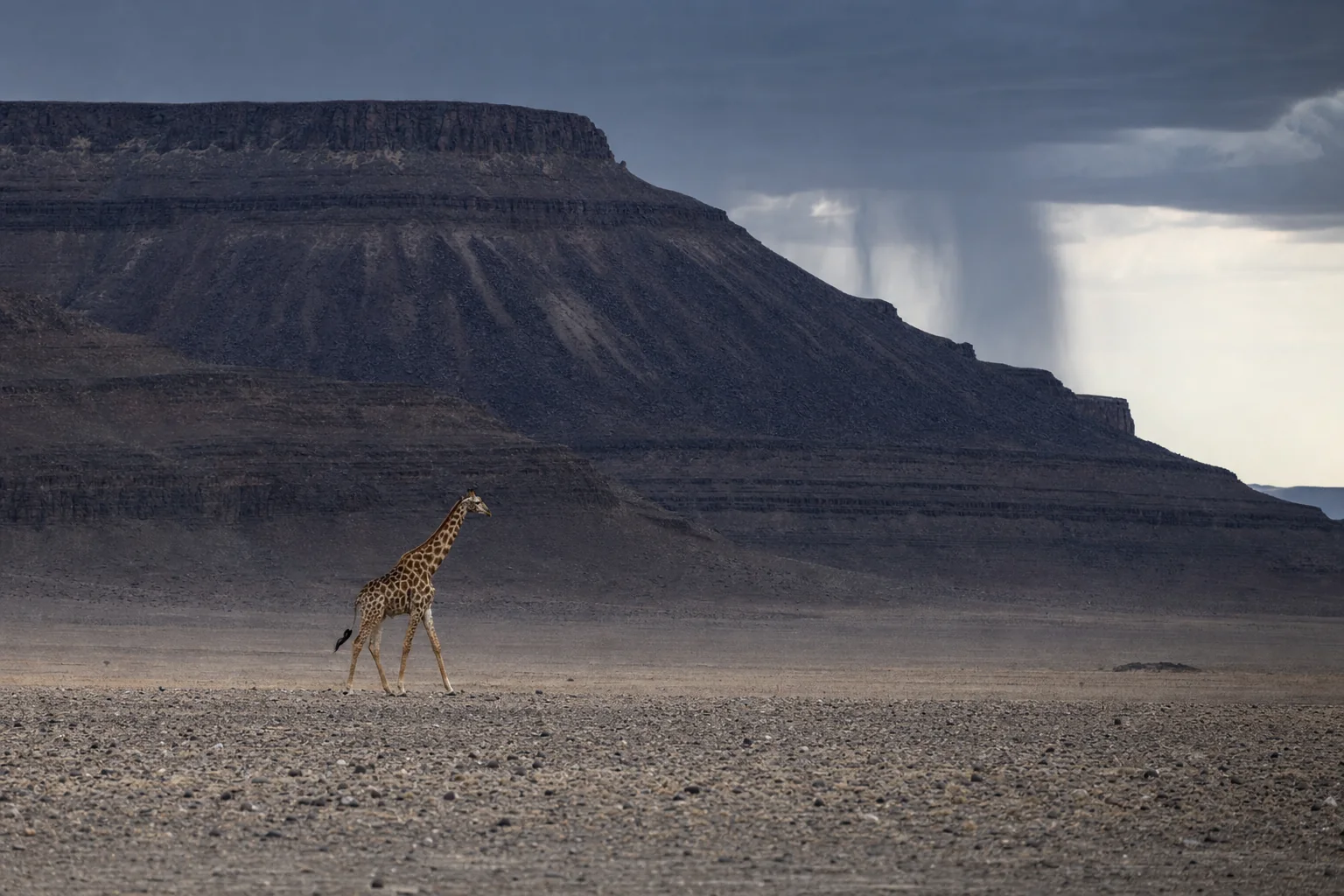
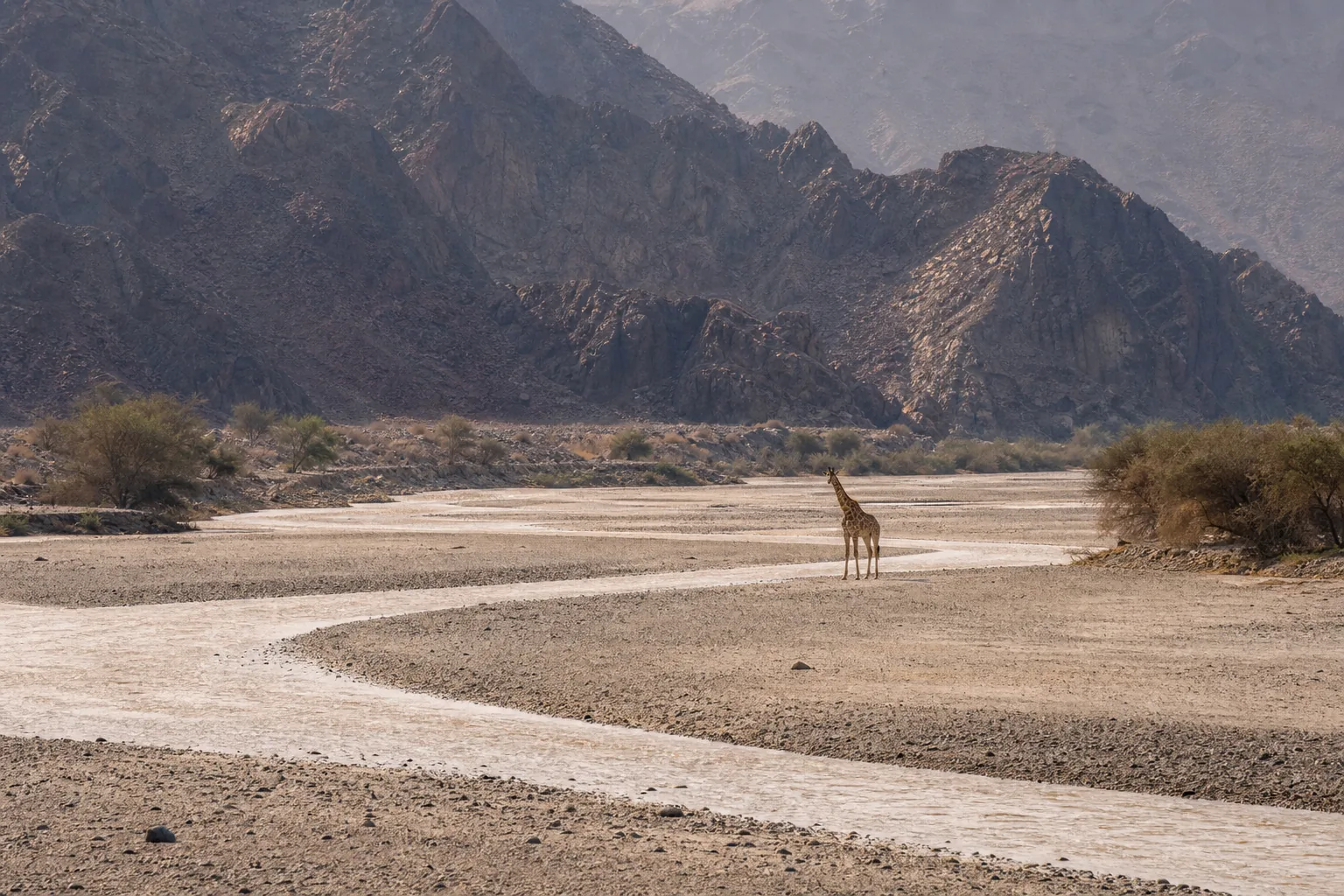
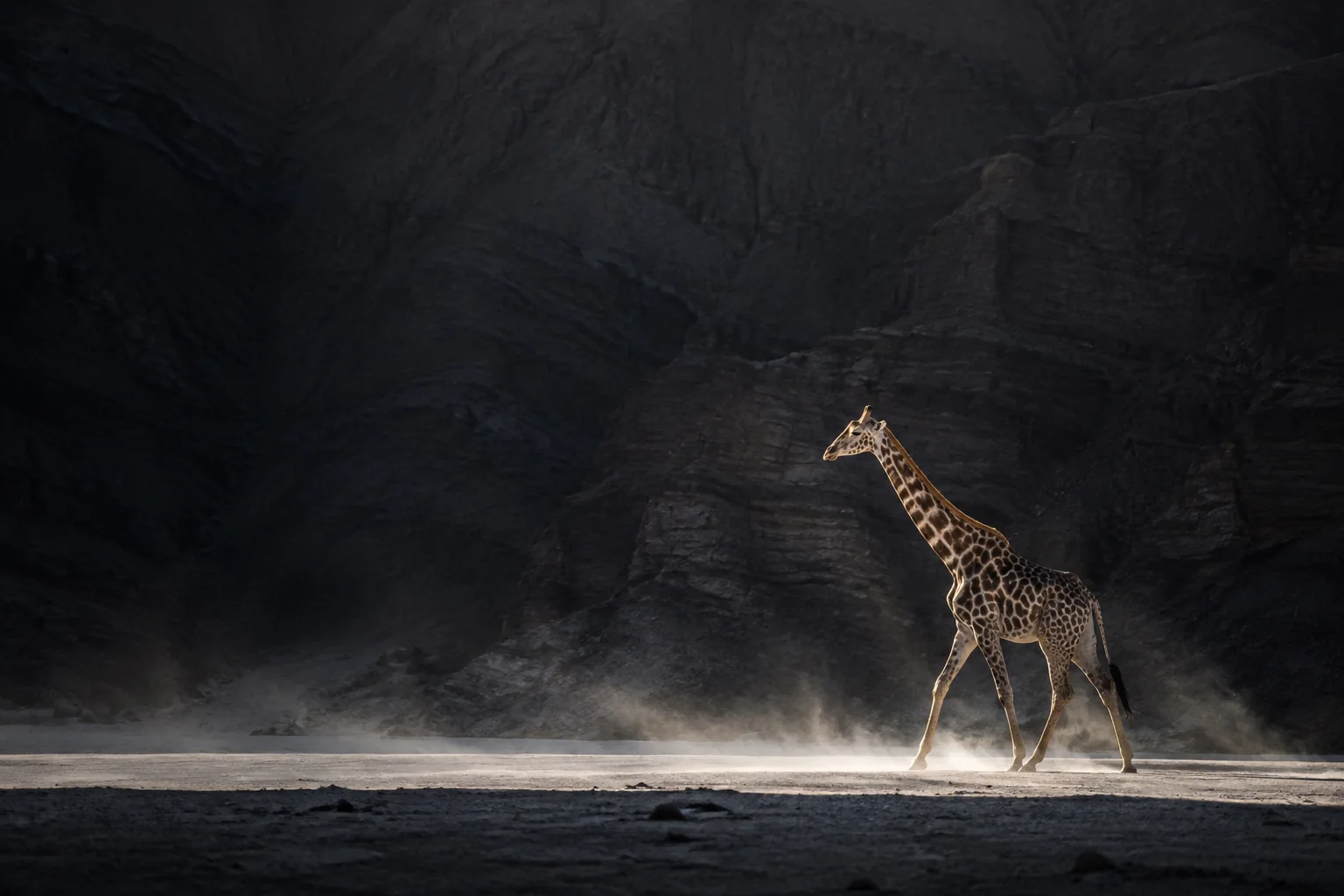
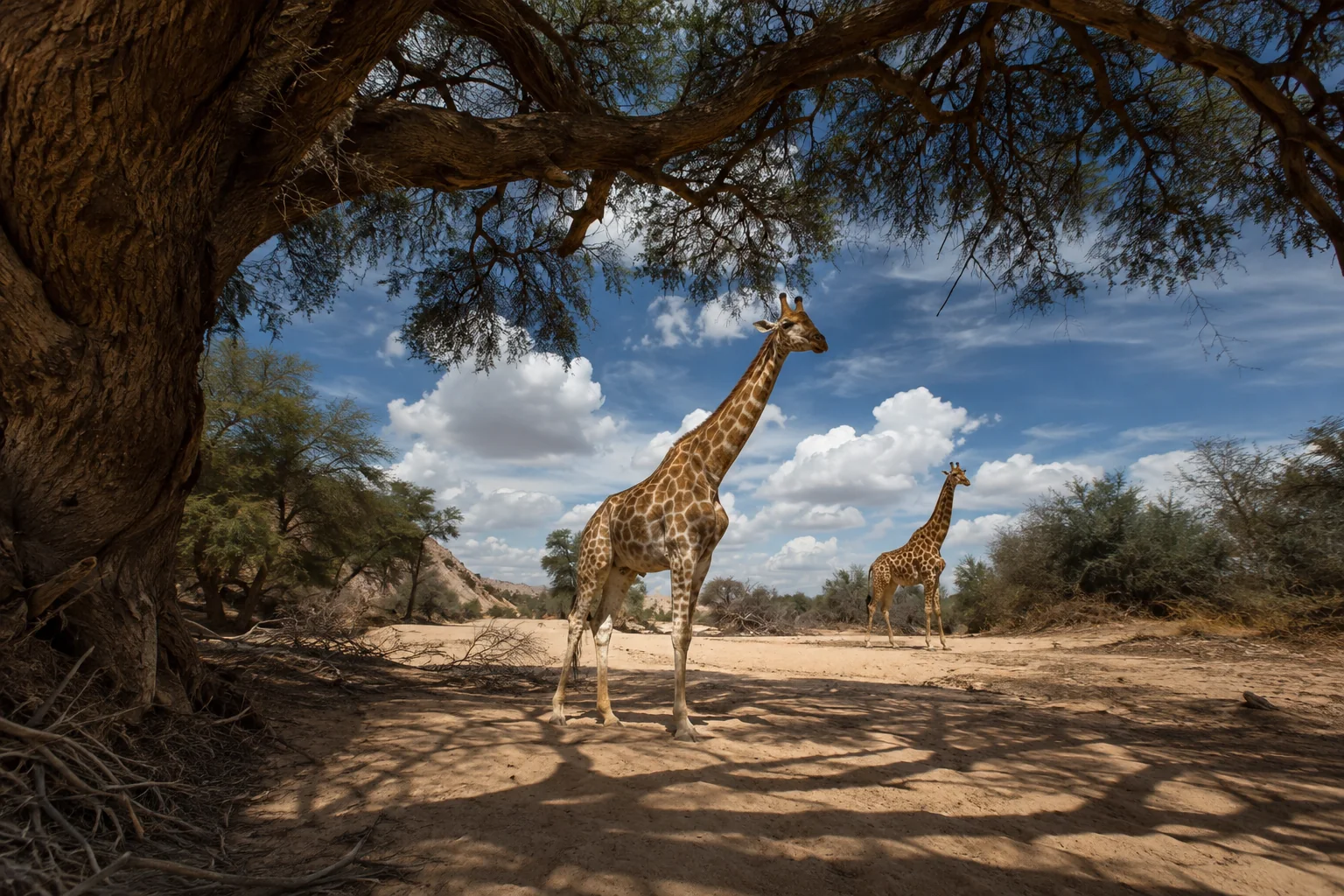
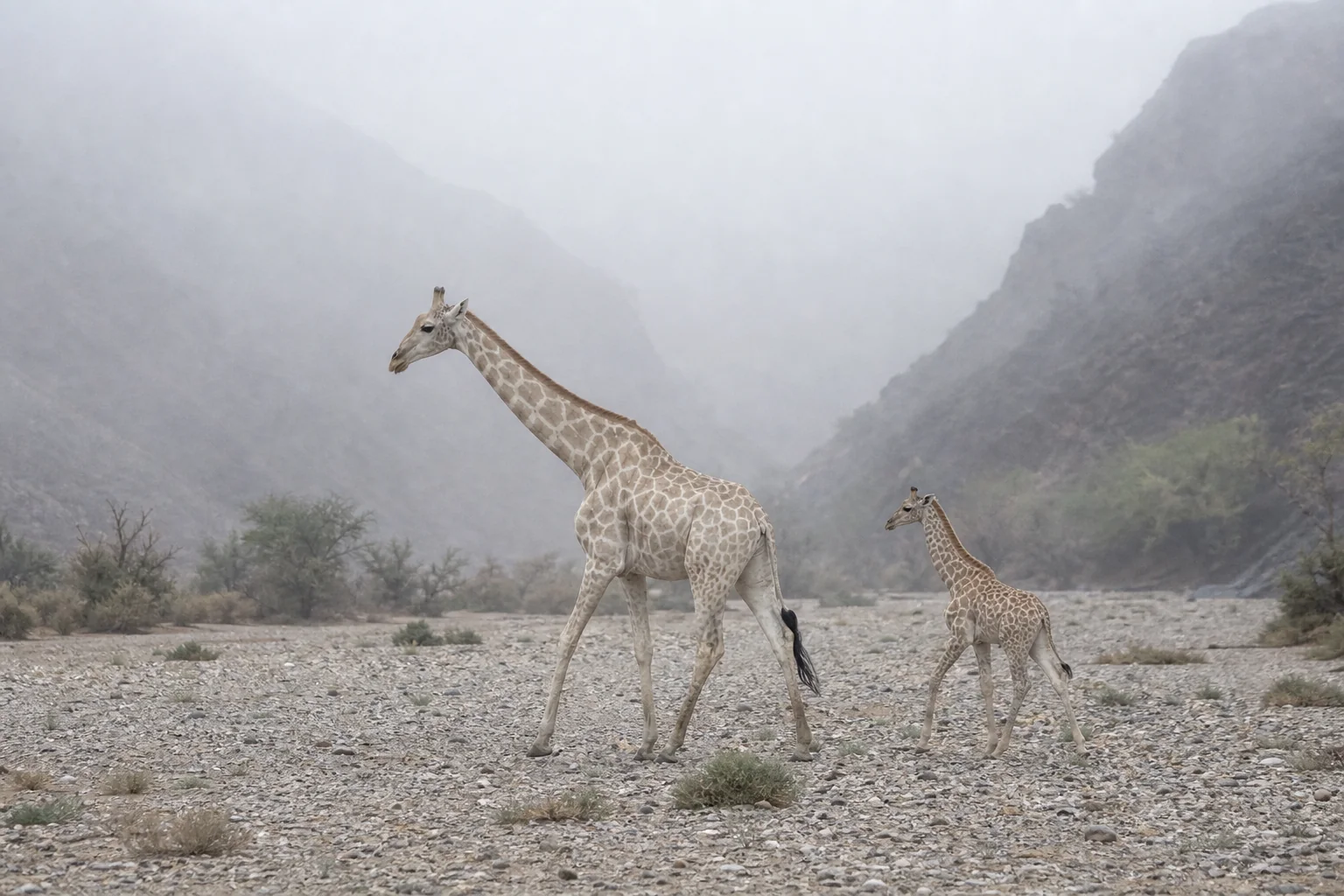
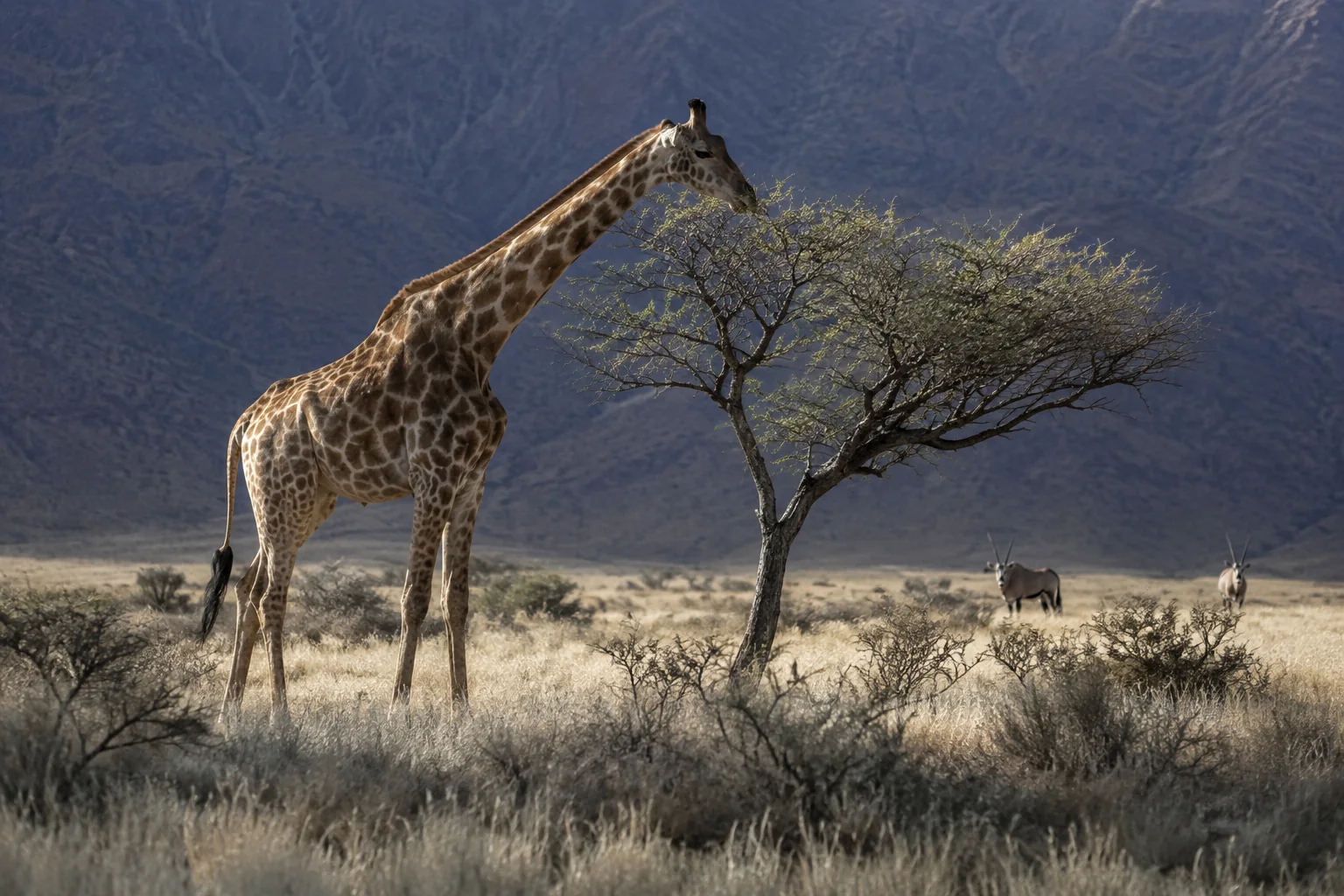
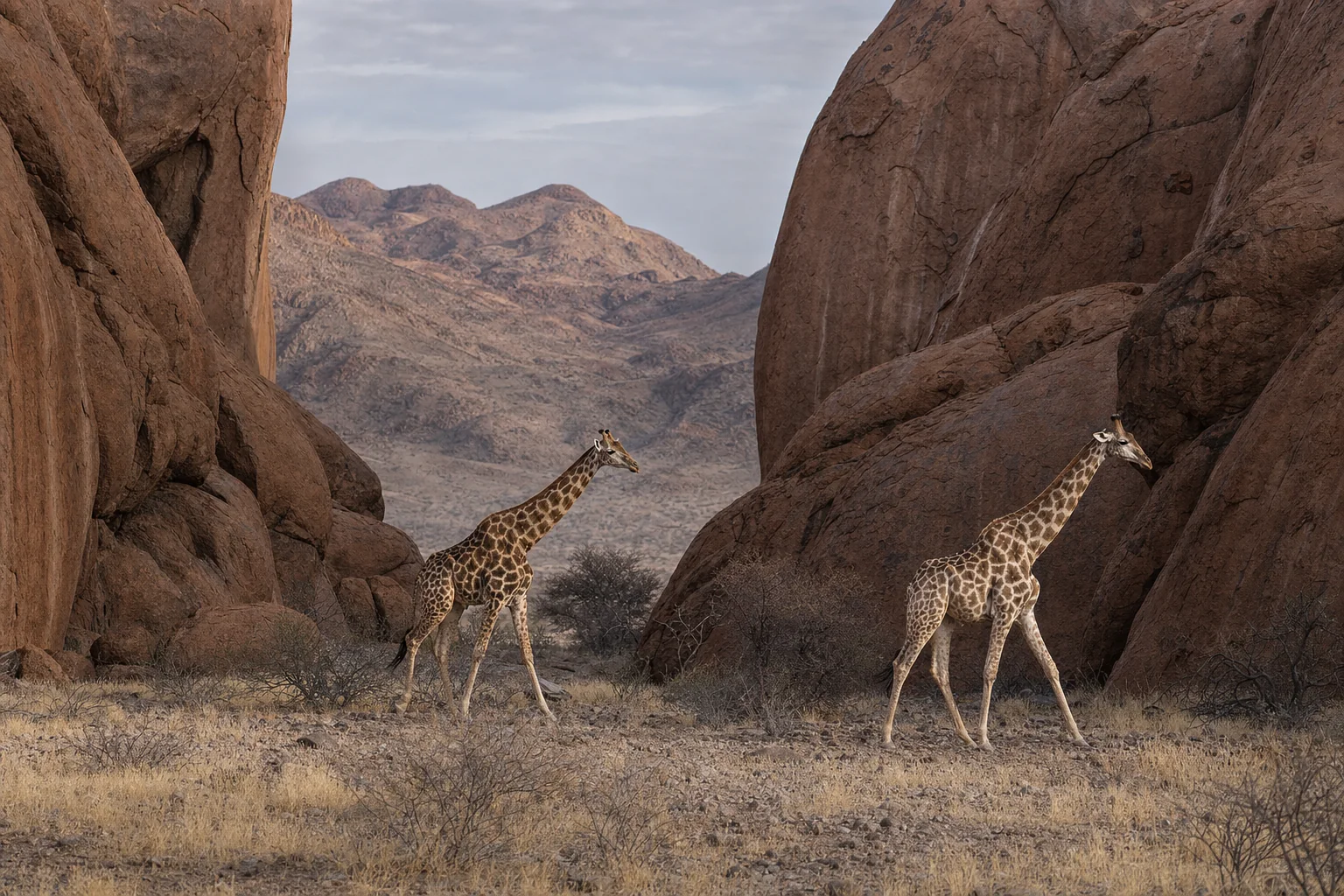
A giraffe in a dry Namibian riverbed is not out of place. It is a reminder that its habitat is more varied than the familiar green savanna.
Habitat & Range
Kenya's giraffes share a country, but not one landscape—or one conservation story.
Habitat & Range
Two protected places can still leave a giraffe stranded between them. The connection deserves its own evidence.
Biology & Science
A giraffe’s height opens a different layer of the landscape. But a large adult, a newborn and a record-holder tell very different size stories.
Biology & Science
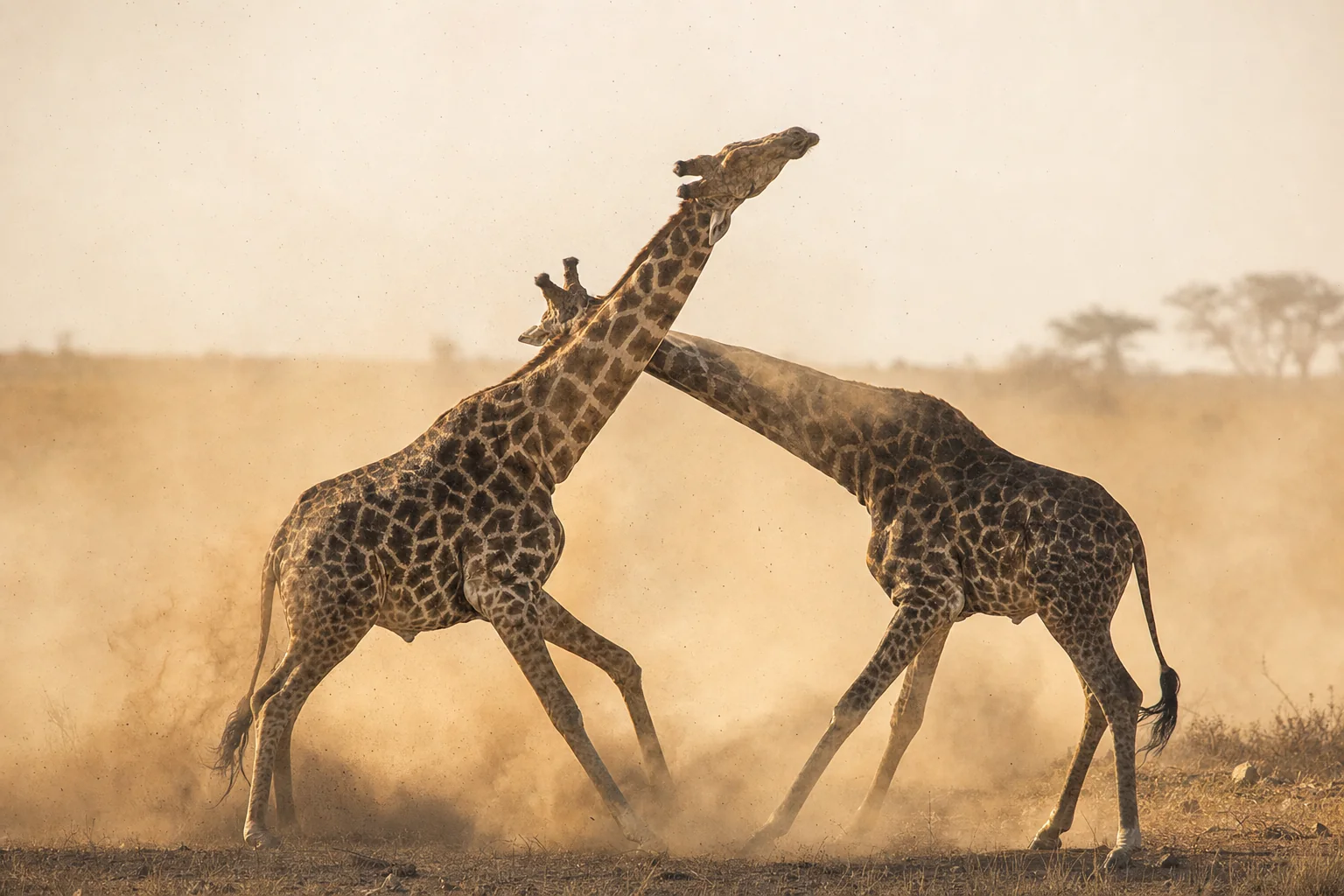
Reaching leaves and swinging at a rival are visible. Reconstructing how the same extraordinary neck evolved takes several different kinds of evidence.
Biology & Science
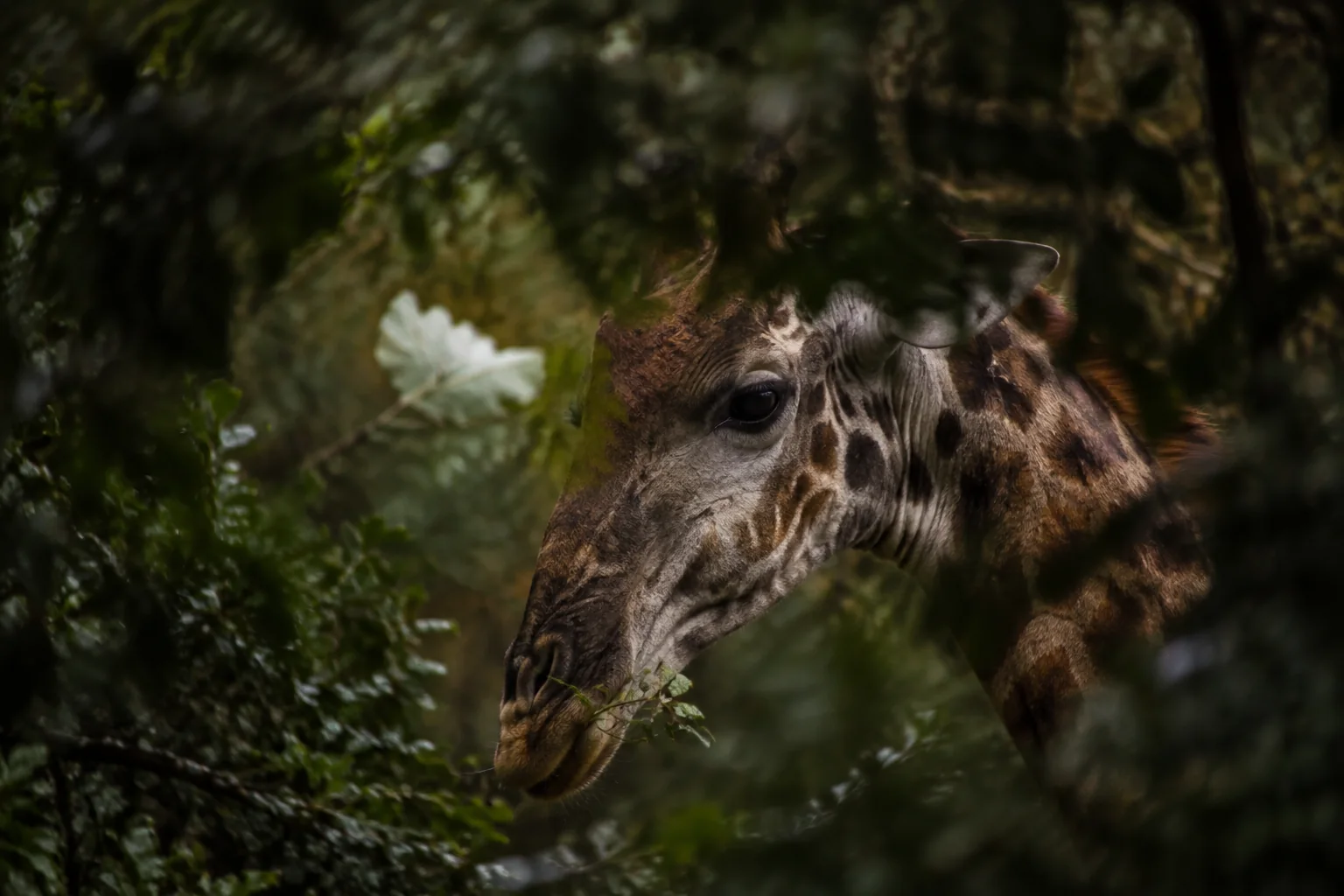
A landscape can have plenty of trees and still offer a giraffe the wrong food. The important questions are which plants, which parts, and which season.
Biology & Science
Every drink changes the height of a giraffe’s brain by metres. Keeping blood flowing takes more than a powerful heart.
Biology & Science
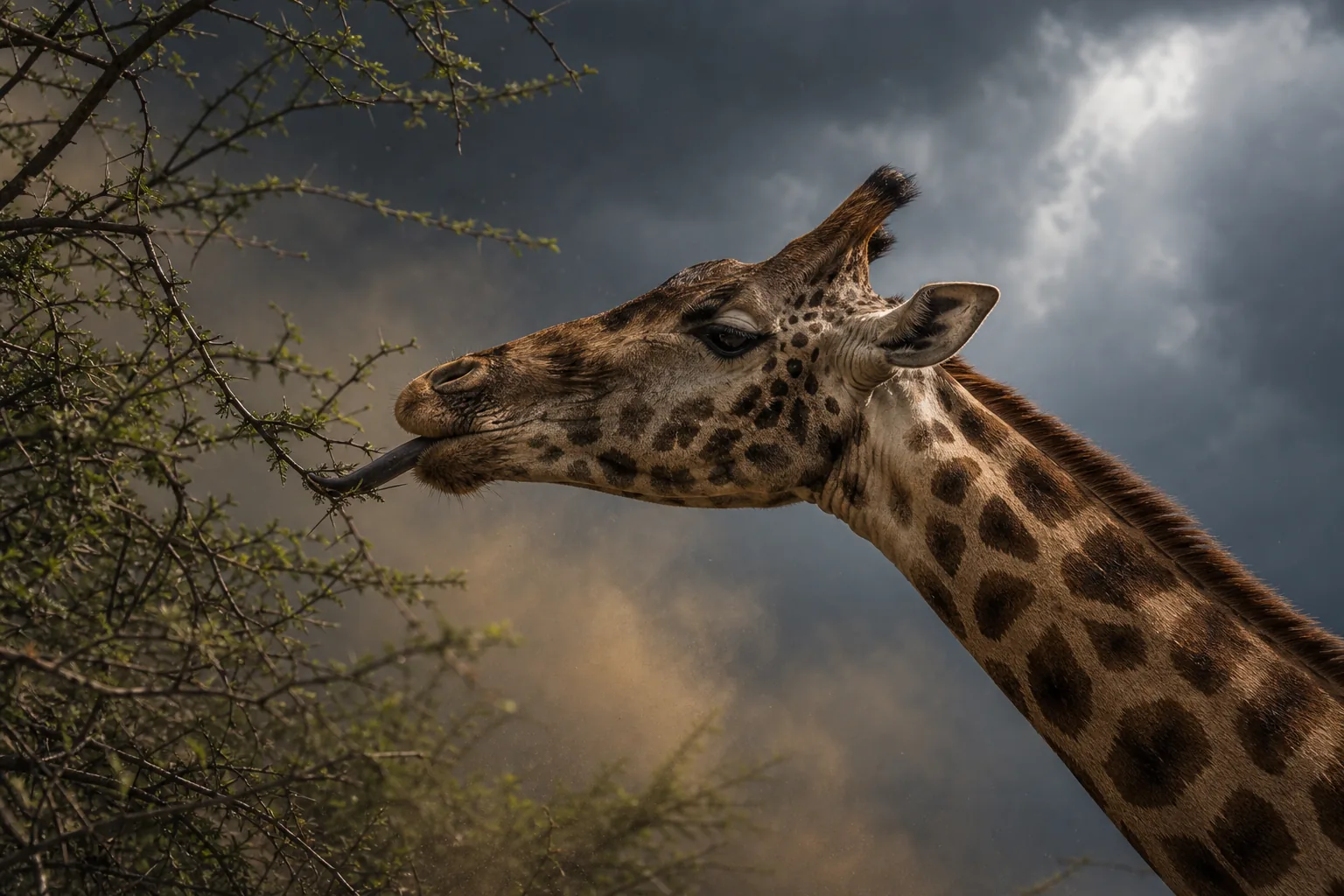
Reaching a branch is only half the problem. A giraffe still has to collect its dinner from between the thorns.
Biology & Science
A photograph can reveal that a giraffe has returned. Its spots may also hold clues to survival—but those are different kinds of evidence.
Biology & Science
The fall gets the attention. Finding its feet, feeding and growing up in a changing landscape are the longer story.
Biology & Science
A giraffe can live for three decades without three decades being a normal lifespan. The difference changes how we understand its life—and its chances.
Biology & Science
A changing herd is not a random herd. Following individual giraffes reveals relationships that a single sighting cannot.
Biology & Science
A lion attack can end in a kill, an escape or a scar. Each tells a different story about the danger giraffes face.
Biology & Science
A sleeping giraffe folds a very tall body into a small patch of ground. The harder puzzle is counting how much sleep it gets.
Biology & Science
The furry knobs on a giraffe's head are not miniature antlers. Look beneath the surface and the difference becomes much more interesting.
Biology & Science
The quietest animal in your picture book has a voice. Press play, then discover why hearing a giraffe is not the same as understanding it.
Biology & Science
One calf can follow more than a year of pregnancy. Understanding the time between births reveals an even longer story.
Biology & Science
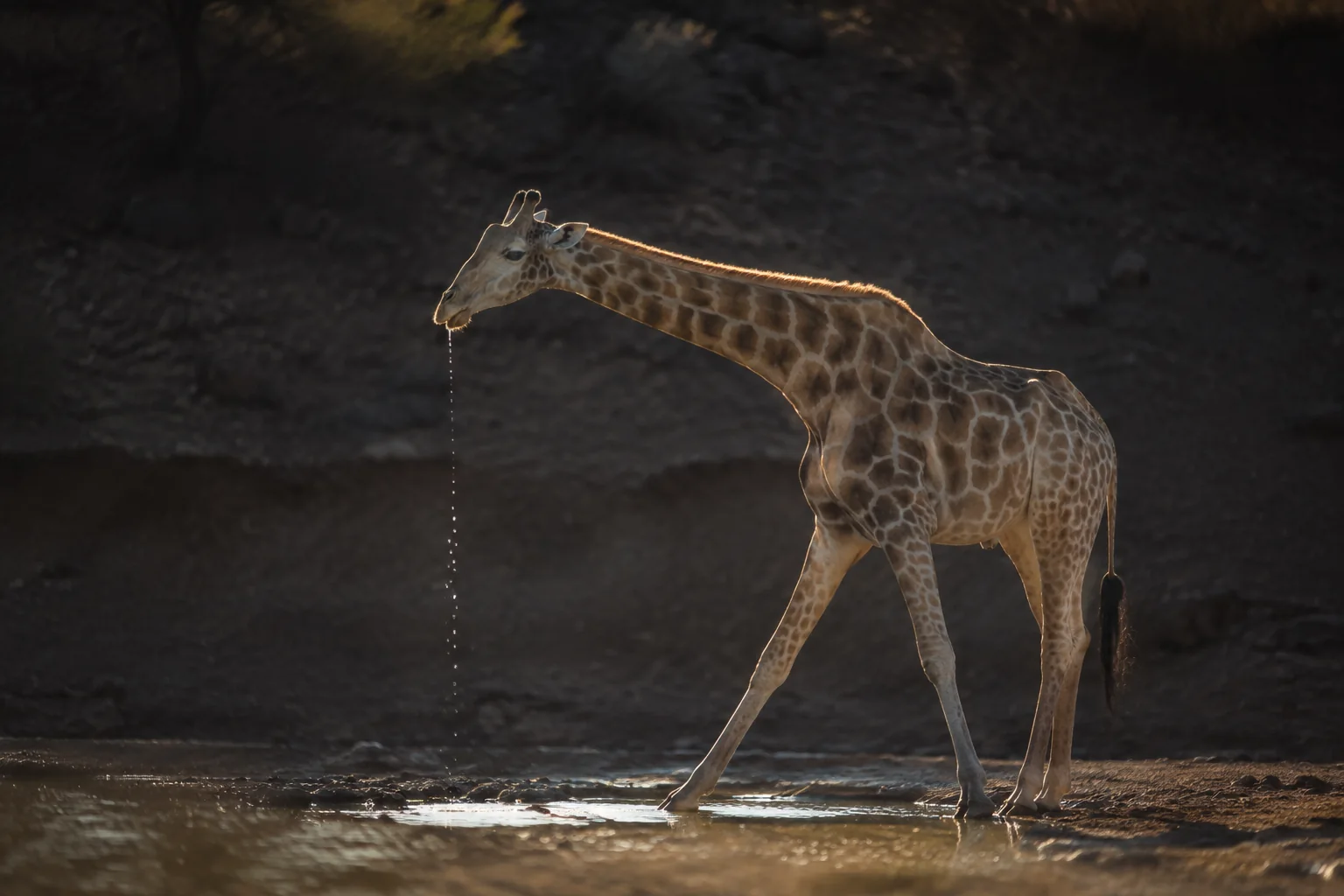
A giraffe does not simply bend its long neck to drink. The whole sequence depends on stance, mouth movement, swallowing, and a controlled return upright.
Biology & Science
The familiar 60 km/h answer is a useful reference, not a verified record. Field video reveals a slower observed range—and a more interesting gait.
Biology & Science
One animal can acquire several different “weights” online. The missing labels—sex, age, population and method—explain why.
Biology & Science
Height opens a feeding niche, but it also creates problems for blood flow, balance and drinking. The giraffe works because its traits work together.
Field Conservation
More giraffes using a protected area, better survival estimates, new calves: conservation makes progress in more than one way.
Field Conservation
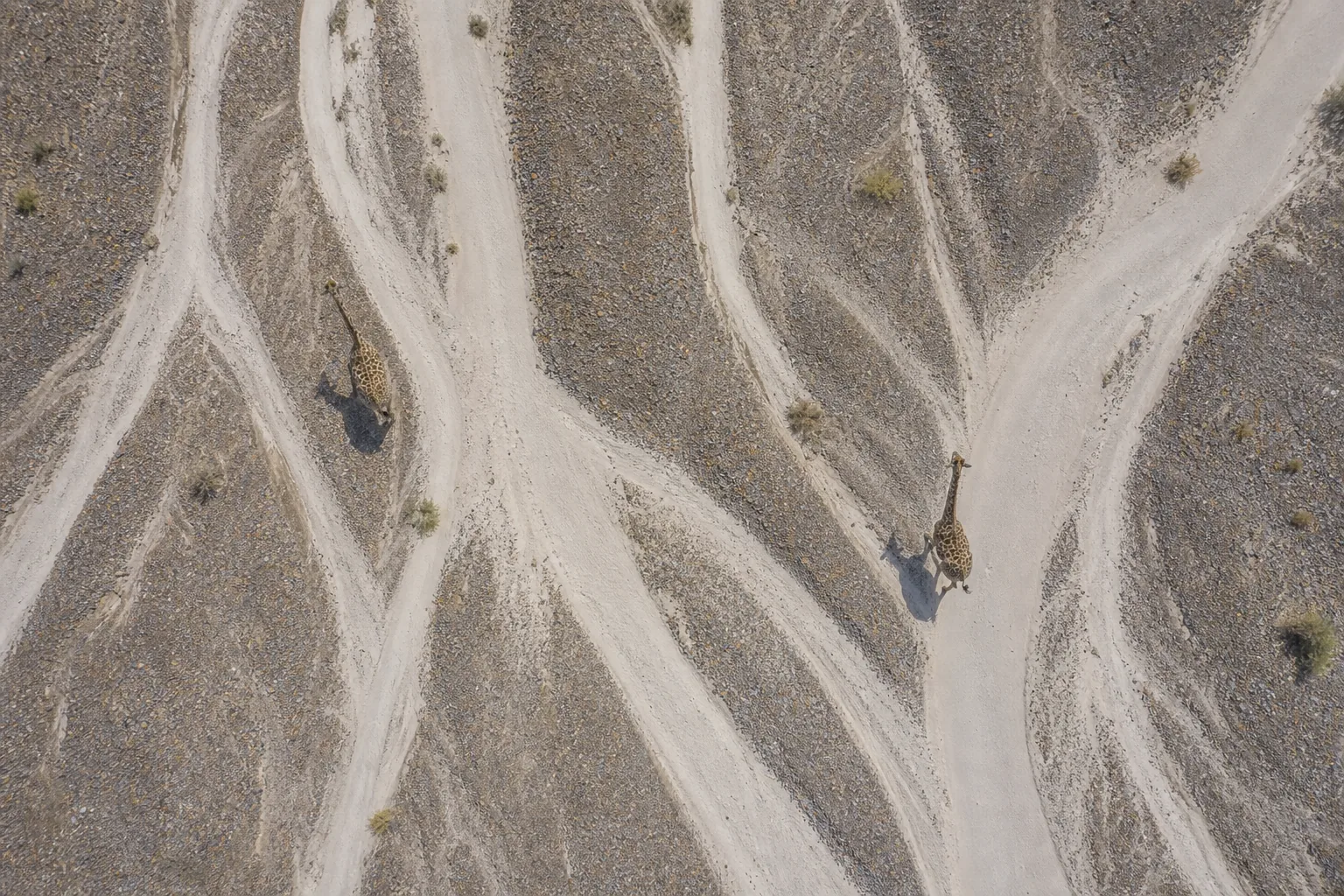
The trees can still be standing while the route to the next feeding patch disappears. Protecting habitat means keeping the whole landscape usable.
Field Conservation
Finding a threat is an achievement. Showing that giraffes face less danger takes a different kind of evidence.
Field Conservation
A completed journey is only the first rung of success. Uganda and Niger show how monitoring separates safe release, early reproduction and population establishment.
Field Conservation
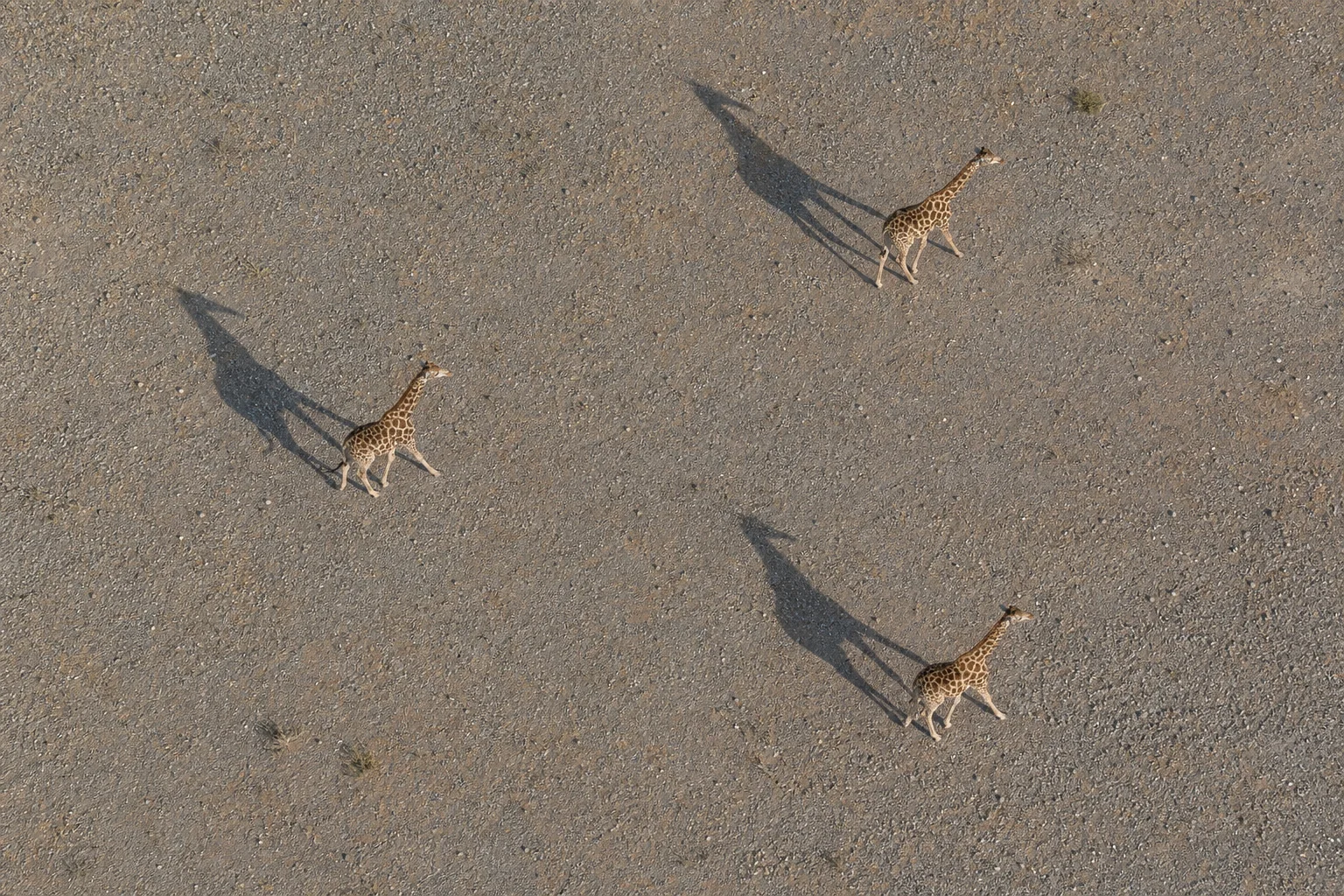
A larger count can mean more giraffes, better visibility or a bigger search area. The method determines which explanation the evidence can support.
Field Conservation
A giraffe can look well and still need investigation. Good health science connects what we see with what we can actually establish.
Zoo Guides
Following a favourite giraffe to the zoo? Check the latest chapter first. Pietruszka's story has crossed a border; Warsaw still offers plenty to discover.