Scientific commentary
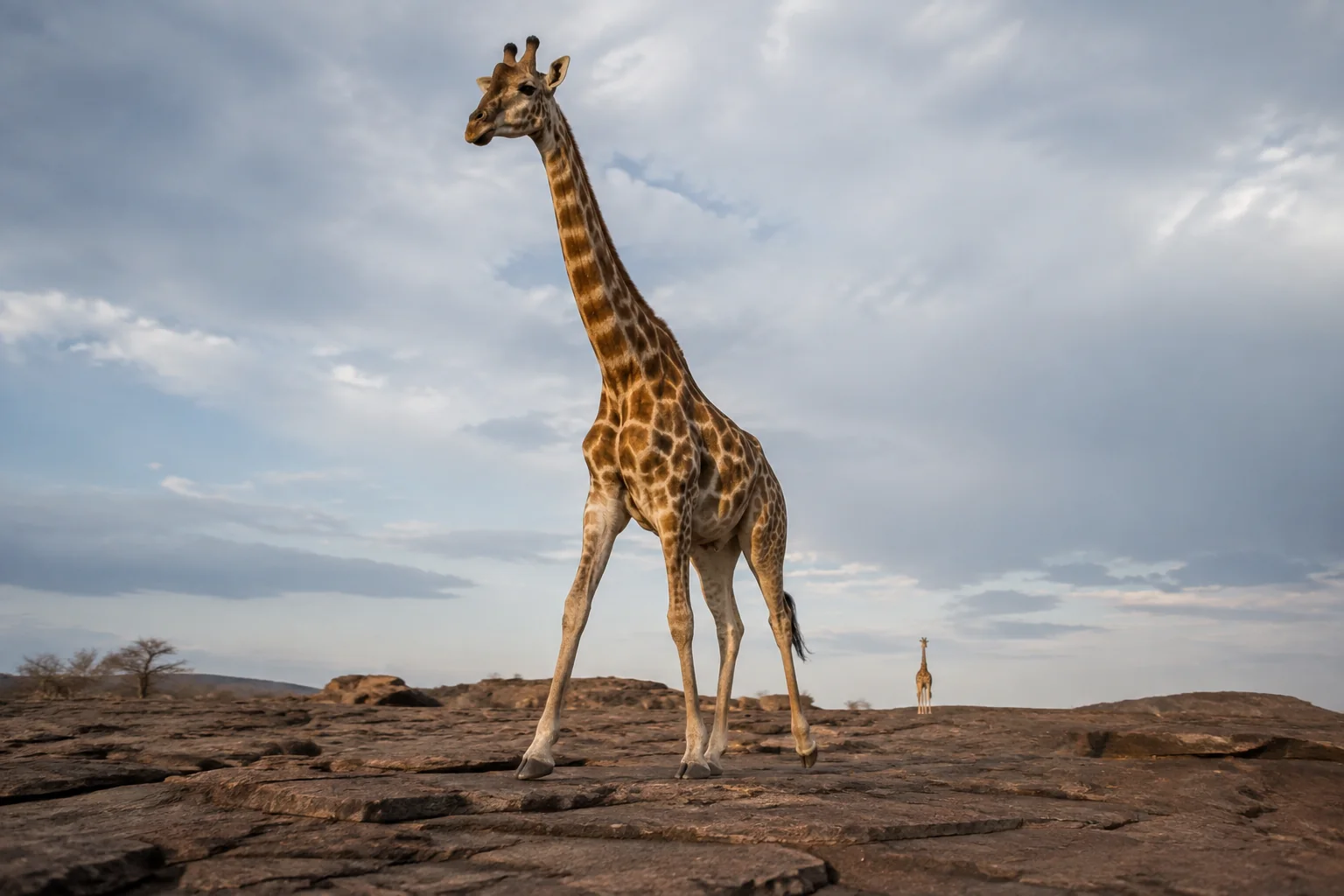
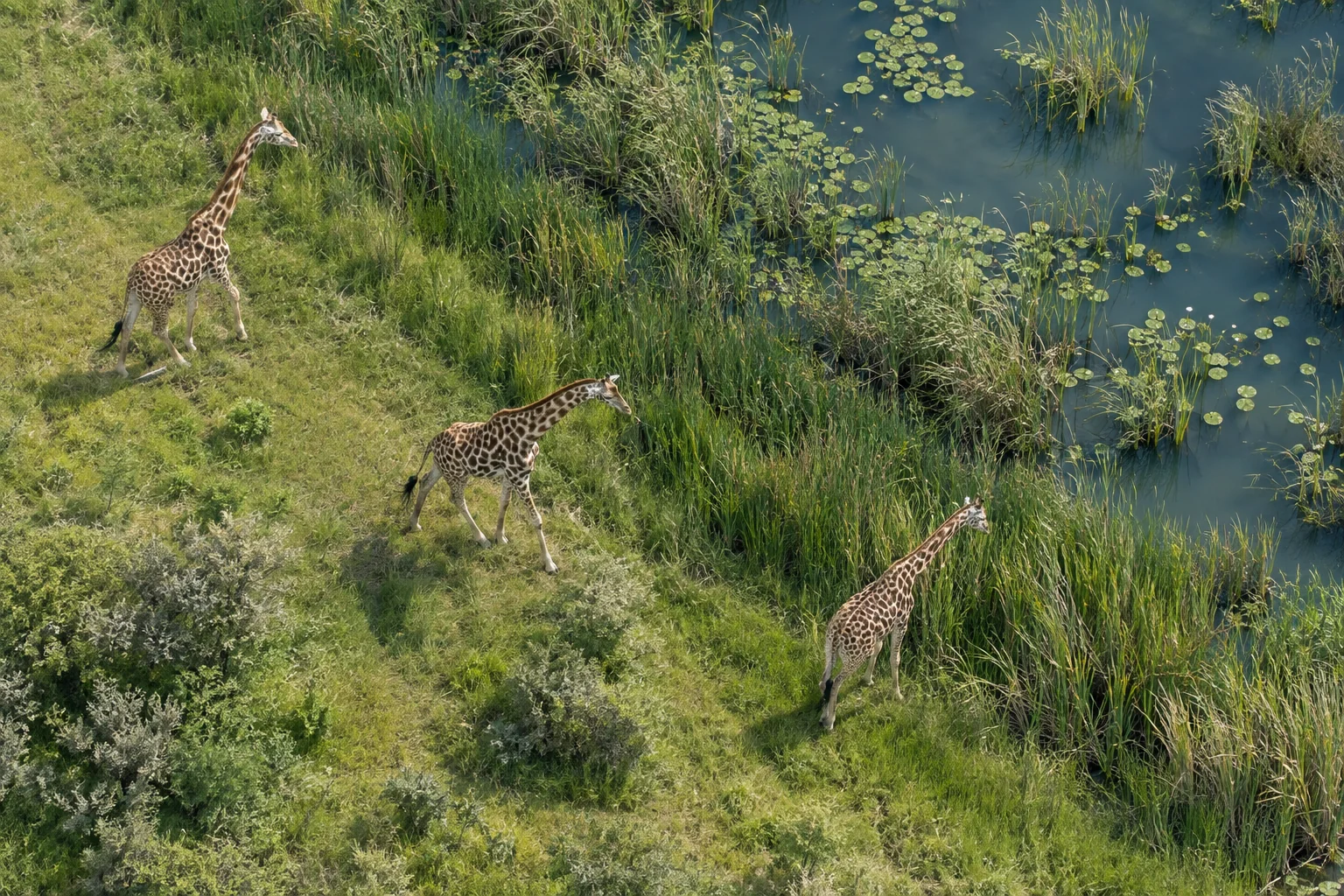
South Sudan’s Giraffes Hold a Surprising Genetic Inheritance
After decades of conflict and population losses, DNA from two national parks reveals genetic variety that future generations could still inherit.

The questions, fieldwork and discoveries behind giraffe science. Each story explains an original study, what it found and what remains uncertain.
1–9 of 179 stories
Scientific commentary
After decades of conflict and population losses, DNA from two national parks reveals genetic variety that future generations could still inherit.
Scientific commentary
A heart wall changes shape with every beat. High-resolution scans reveal the connected muscle architecture behind that movement.
Scientific commentary
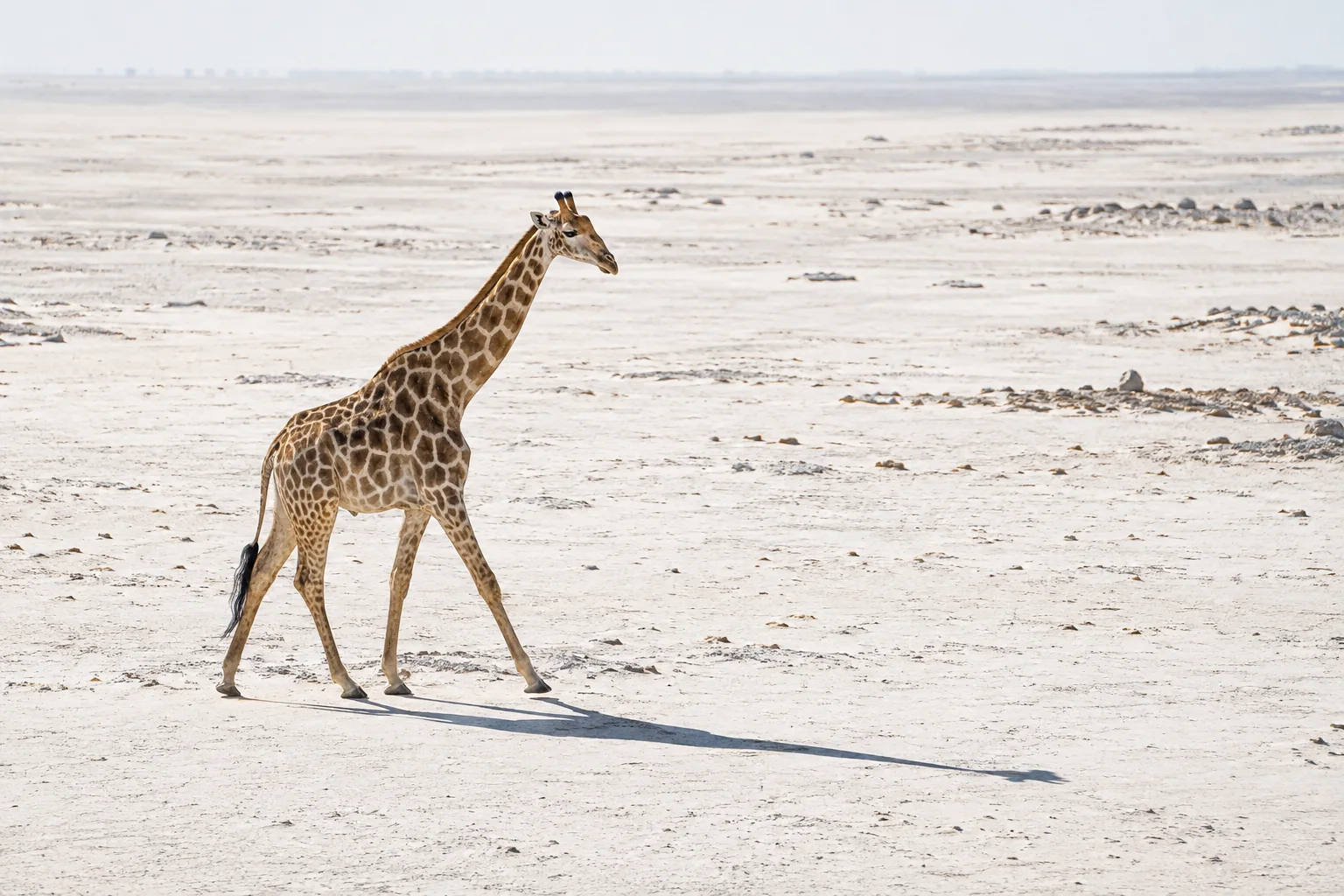
Zoo giraffes were expected to look leaner than their wild counterparts. A scale built from hip photographs revealed the opposite pattern—and a way to monitor condition from a distance.
Scientific commentary
Comparing photographs with seven years of association records uncovered a small link between a female giraffe’s coat geometry and her social partners.
Scientific commentary
A stillborn calf, a six-month-old juvenile and an old adult offered three views of how blood vessels develop as a giraffe grows.
Scientific commentary
A vertebra at the neck’s base looked less resistant to a standardised load than expected, pointing to a different division of work along the spine.
Scientific commentary
DNA suggests that males connected giraffe populations across Tanzania’s Gregory Rift long after their maternal family lines had become separated.
Scientific commentary
DNA from where giraffe ranges meet reveals a history of occasional interbreeding—and shows why those encounters have not made the different species interchangeable.
Scientific commentary
The most revealing trial was one where following the experimenter’s movement led a giraffe away from the food.