Scientific commentary
Giraffes With Lion Experience Stay Alert to Roars Longer
Looking toward a roar and deciding how long to keep watching turn out to be different parts of recognising danger.

The questions, fieldwork and discoveries behind giraffe science. Each story explains an original study, what it found and what remains uncertain.
28–36 of 179 stories
Scientific commentary
Looking toward a roar and deciding how long to keep watching turn out to be different parts of recognising danger.
Scientific commentary
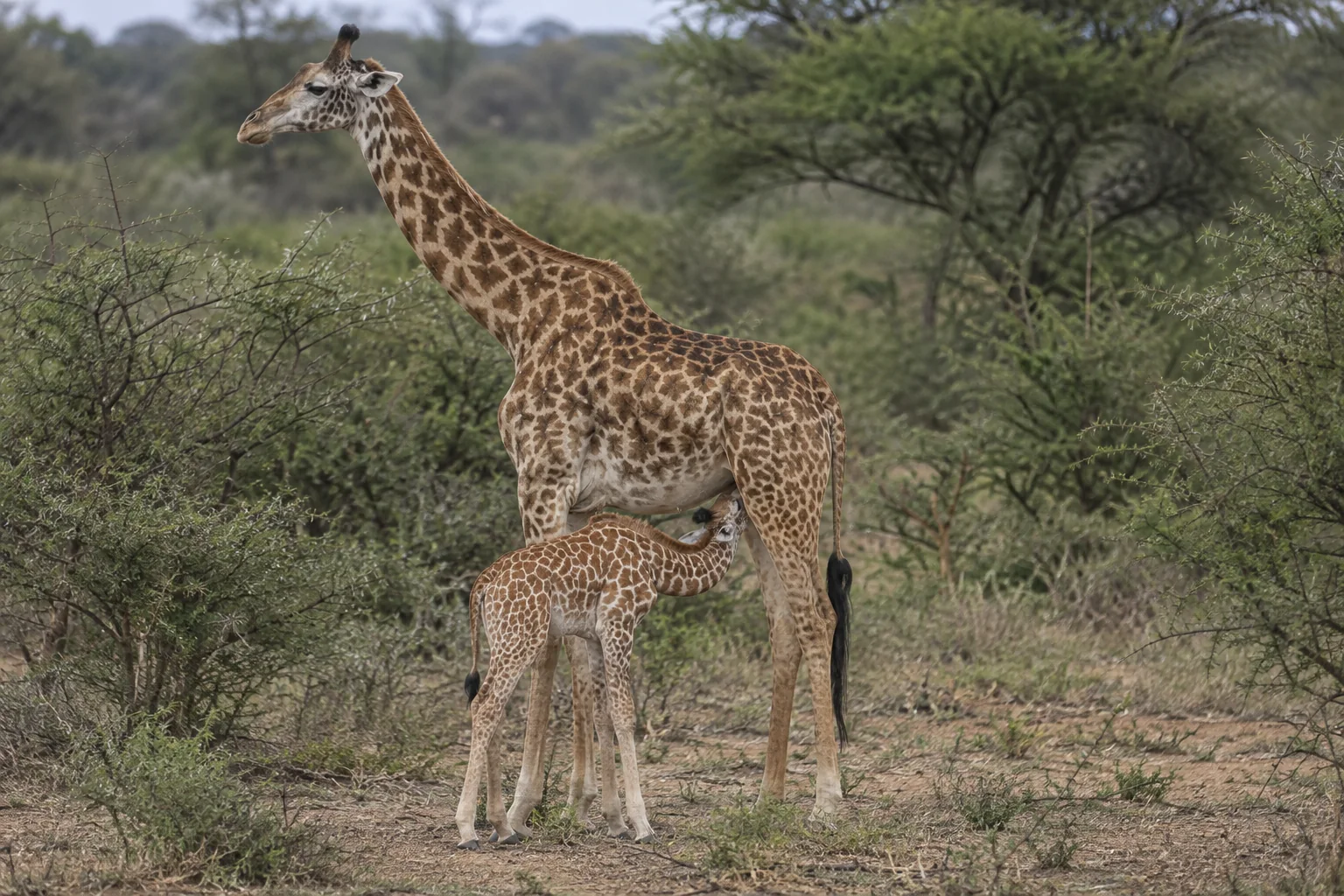
A calf seeking another mother’s milk and a mother tolerating it can be following different sides of the same interaction.
Scientific commentary
Researchers tested a way to look beyond a single stress hormone, using stored samples and the animals’ medical histories.
Scientific commentary
Two populations showed the same core pattern: adolescent giraffes most often associated with peers of their own sex, without simply collecting more companions.
Scientific commentary
Well-preserved skulls and an unusually complete skeleton placed a Spanish giraffid within a much wider evolutionary comparison.
Scientific commentary
Separate fossils preserved different parts of early Giraffa anatomy, allowing comparisons that tooth-only species could not provide.
Scientific commentary
The microbes that help digest leaves varied between feeding groups, but a first survey could not yet say how those differences changed digestion.
Scientific commentary
Tiny worms inside skin lesions offered a clue. Comparing their DNA with known parasites helped researchers ask a more precise question.
Scientific commentary
A return to a census last conducted in 1979–1980 found roughly half as many giraffes, with the sharpest loss in the park’s southern population.