Scientific commentary
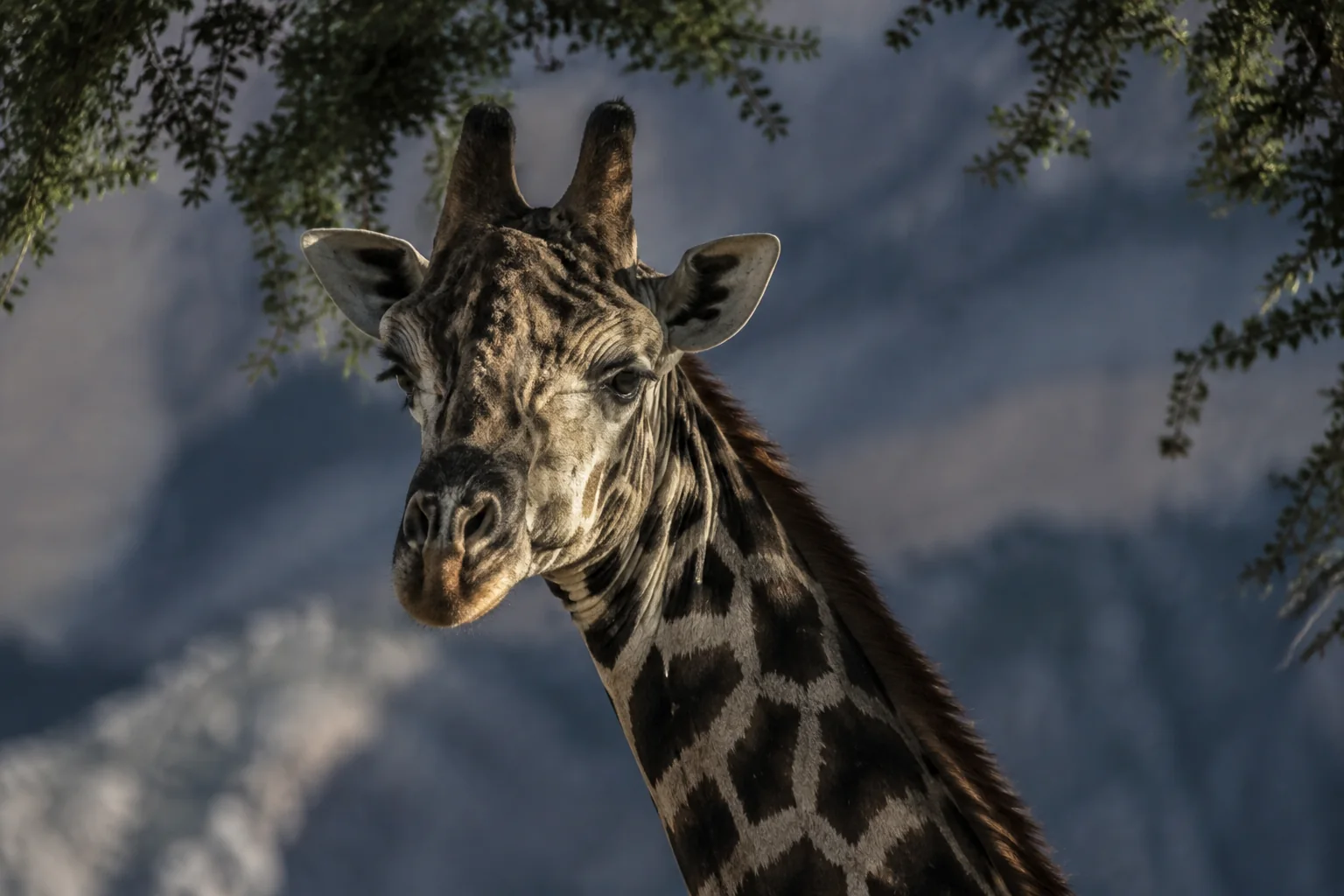
A Giraffe’s Anatomy Revealed a Sexual Development Disorder
A male appearance and measurable testosterone did not mean that every part of the reproductive system had developed normally.

The questions, fieldwork and discoveries behind giraffe science. Each story explains an original study, what it found and what remains uncertain.
46–54 of 179 stories
Scientific commentary
A male appearance and measurable testosterone did not mean that every part of the reproductive system had developed normally.
Scientific commentary
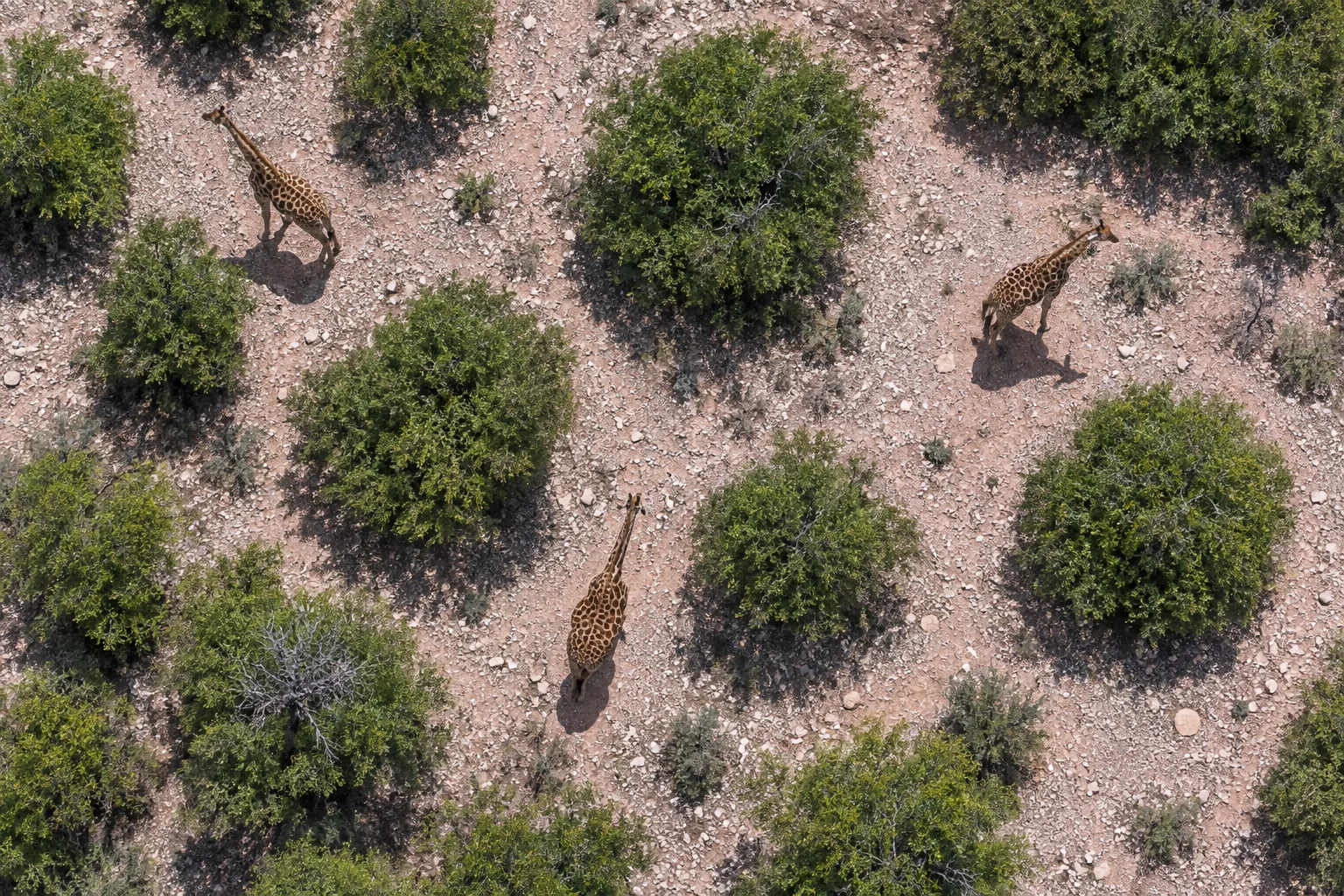
Tracking reveals which ground giraffes choose between feeding places. Mapping those choices shows where useful habitat may become a narrow passage.
Scientific commentary
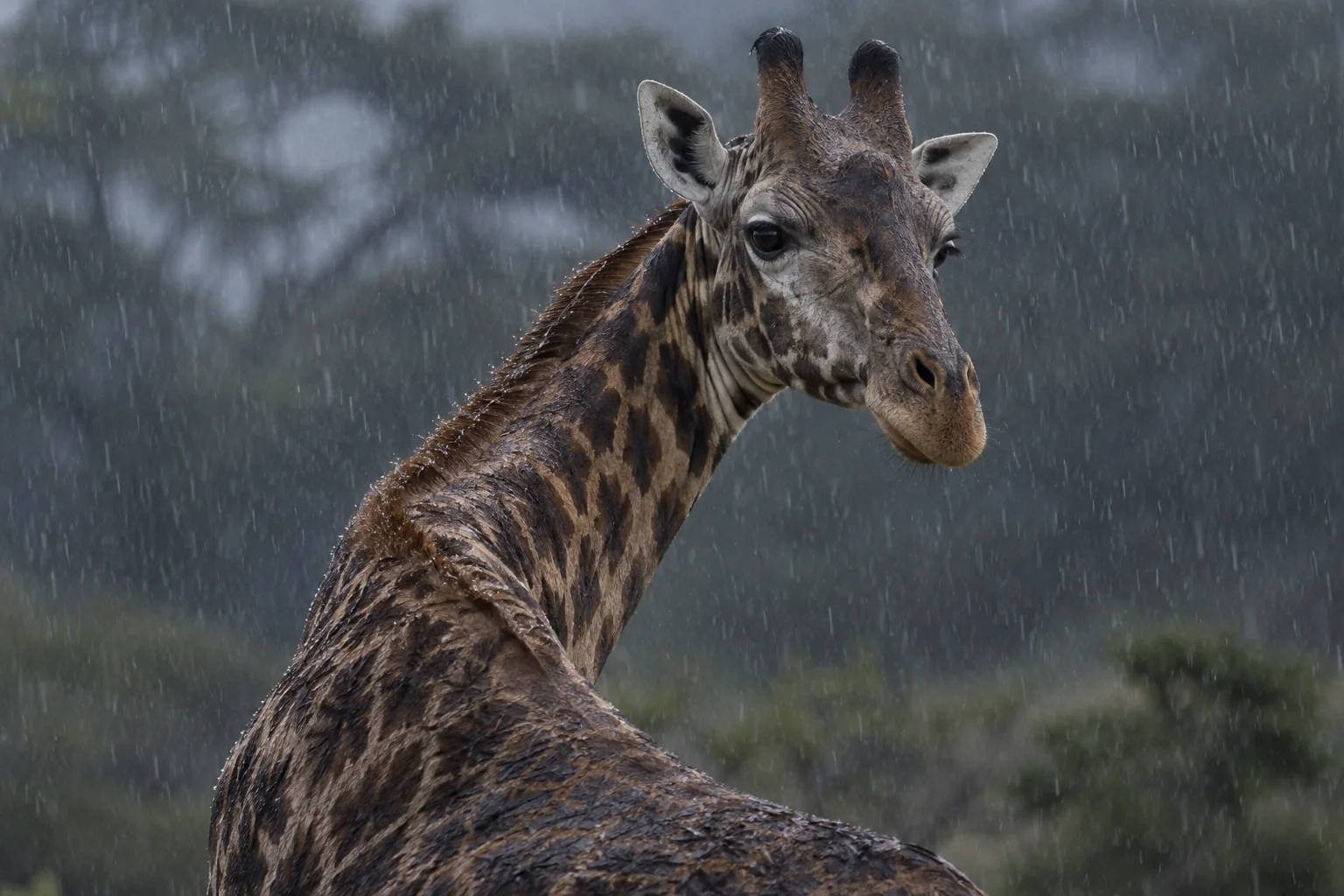
Rain can turn a savanna green. Whether it improves a giraffe's prospects is a different question.
Scientific commentary
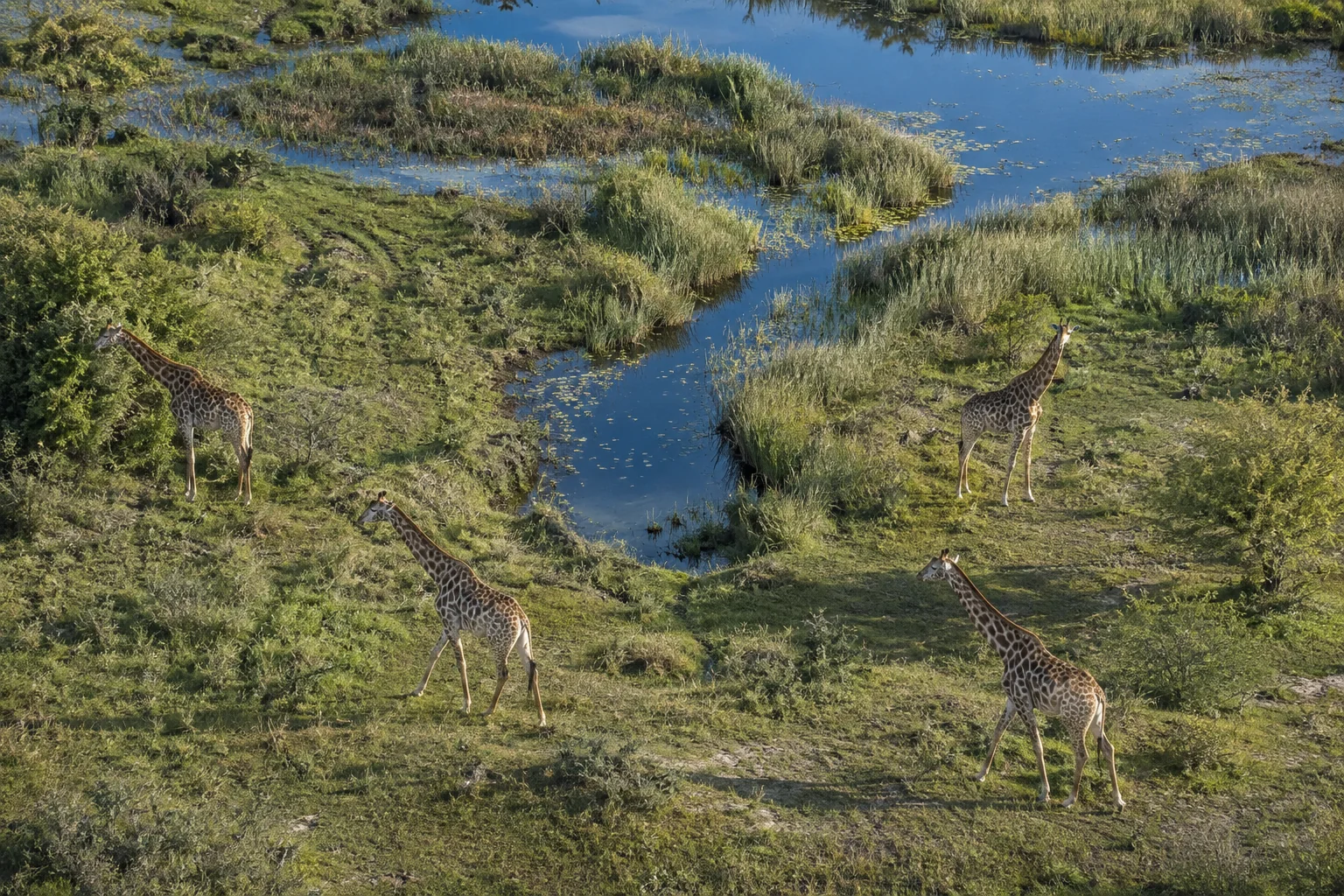
A continental tracking study separates two reasons giraffes may stay within a small area: accessible food and limits on movement.
Scientific commentary
Tracking and thousands of photographs uncovered a seasonal migration that involved only part of one Ugandan giraffe population.
Scientific commentary
A study of Congo’s remaining wild giraffes showed how a small population can be separated into groups with very different prospects.
Scientific commentary
Wildebeest and zebra may influence giraffe calves through the lions they share, even though giraffes browse above the grass.
Scientific commentary
A computer model followed individual female giraffes through 50 simulated years to ask which changing conditions could most strongly alter their future.
Scientific commentary
A better chance for each calf can come at the cost of having fewer calves. A study of birth timing made that trade-off explicit.