A giraffe steps into sunlight beneath a towering rock face.

A conservation project in the making

Help us build a permanent home for giraffes.

We’re raising funds to purchase and permanently protect land in giraffes’ natural habitat—a safe haven where they can roam freely, raise their young and thrive for generations.

For future donors, founding philanthropists and partners.
Founding conversations are open. Donations are not yet being collected.

The Last Giraffe / Our project

Give giraffes a permanent home.

Our ambition is to establish a nonprofit, purchase a large area of suitable natural habitat and protect it for the long term.

Giraffes need room to browse, move and raise their calves. Keeping that home healthy also takes people: local conservation teams, habitat management and community participation from the beginning.

Future donations and founding philanthropy would help secure the land and its initial care. In time, a conservation lodge would aim to provide recurring income for the work.

Why habitat matters

The vision, on the land.

Most of the landscape stays wild. Carefully placed spaces for monitoring, care and hospitality support the life within it.

  1. Protected reserveRoom to browse, roam and raise calves.
  2. Water pointsProvision guided by the landscape’s needs.
  3. Health stationVoluntary visits, a clearer health history.
  4. SanctuaryQuiet, specialist care when it is needed.
  5. Conservation lodgeA place to stay and help sustain the reserve.

Help make the first reserve possible.

Start a conversation

Understand more.
Care sooner.

Field teams need useful observations and time to respond. Our early engineering work explores three connected tools to help them build a clearer picture of an animal’s life.

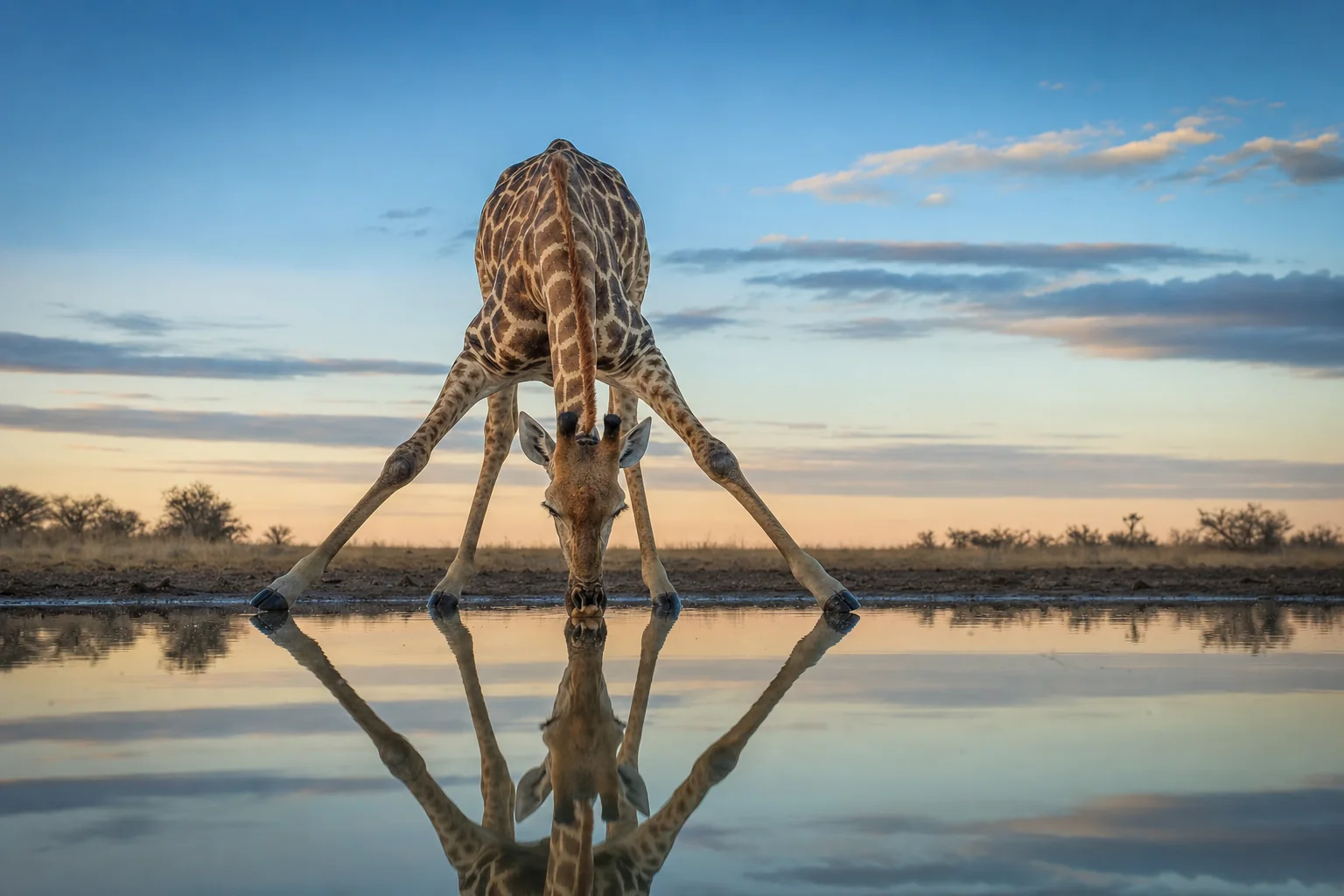
A giraffe drinking from still water, reflected in its surface.
One animal. A clearer picture over time.

Water where it belongs

Water points would be planned only where ecological and water studies establish a need. Solar supply and level monitoring could help maintain them, with impacts on wildlife and local water use guiding each decision.

They are separate from voluntary health stations, which must not make essential water conditional on a visit.

Trackers that follow a life

Movement and activity records could help a team notice a change and find the animal to investigate. Stations or drones could collect richer stored observations when a connection becomes available.

We have modelled payload weight, solar power and communications, with designs for data storage, retrieval and attachment-safety trials.
A voluntary health station

A giraffe could walk in and leave freely. Repeat photographs of its coat, body and gait would build a history, giving a veterinarian more context when a wound or change appears.

The research design connects individual identification, repeat observations, tracker data collection and a pathway to supervised care.

A wider view for field teams

A drone could help locate a giraffe after an alert, collect tracker records or observe changes in habitat. A ranger would review the evidence and decide what needs a ground visit.

We have mapped out missions, power and communications needs, and staged trials to assess wildlife disturbance and practical field value.

From an observation to a considered decision

  1. Observe

    A visit, movement record or field image.

  2. Compare

    Build context from earlier observations.

  3. Review

    A field expert or veterinarian checks the evidence.

  4. Respond

    Closer observation or appropriate care, then follow-up.

Our work so far consists of documented research and engineering designs. Prototypes and expert-led safety and welfare trials are still ahead; veterinary decisions stay with veterinarians.

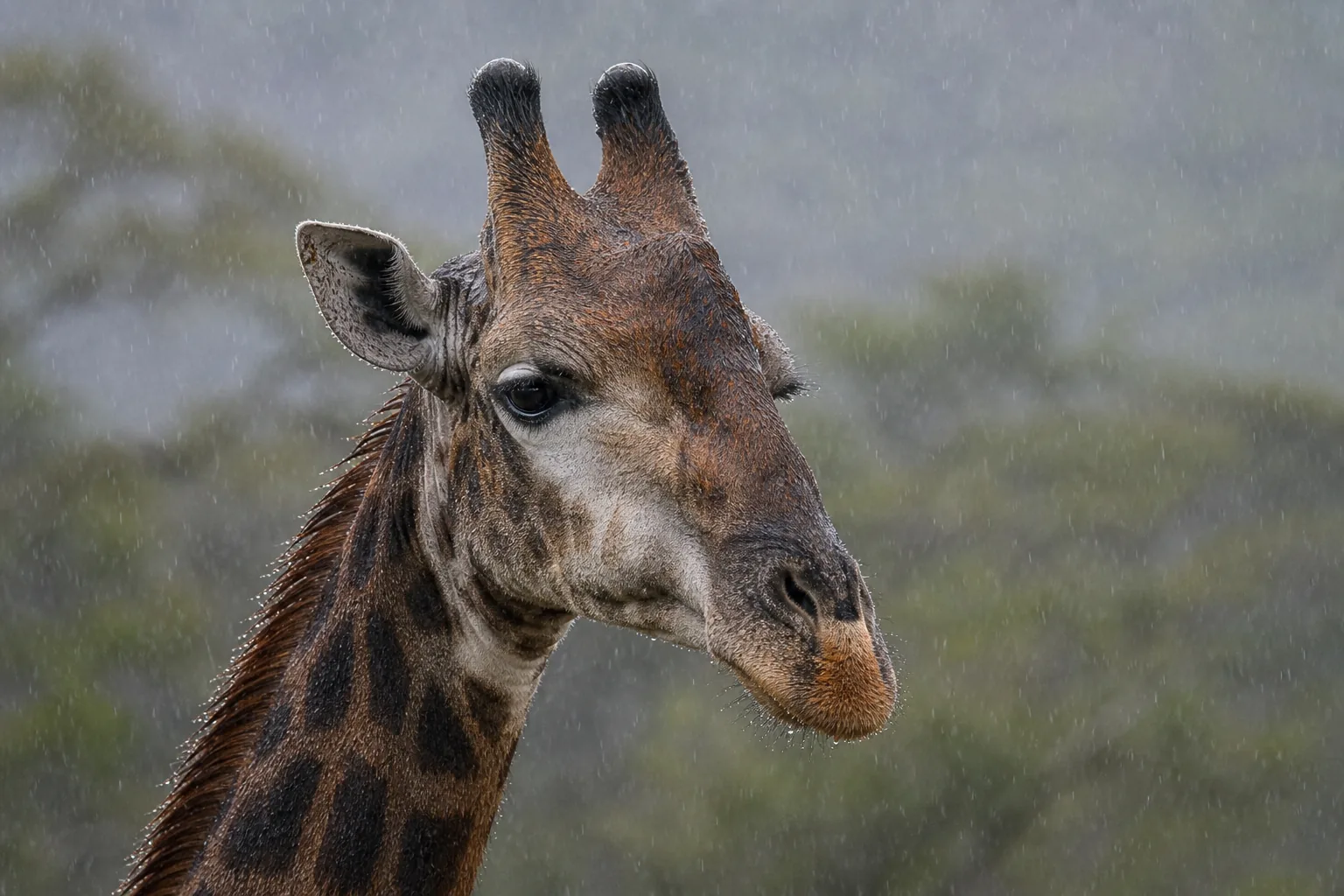
A close portrait of a giraffe in soft rain.
Every life is part of the bigger picture.

Their later years
matter, too.

For an older giraffe that can no longer cope in the wild, we want there to be a gentler next chapter.

Our vision includes a sanctuary near the lodge, with quiet space, appropriate nutrition and specialist care for animals whose needs cannot be met in the reserve.

A move would happen only when a wildlife veterinary team judges it best for the animal. Comfort and quality of life would guide care, including at the end of life.

Guest experiences would fit around the giraffes. Their care and quiet spaces come first.

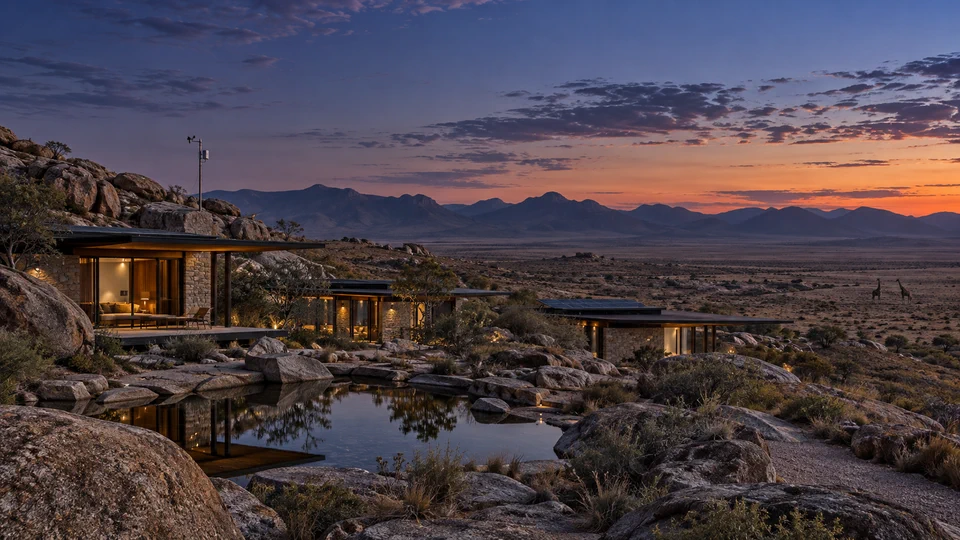
Low-rise luxury lodge suites among granite outcrops, overlooking an open landscape at dusk.

Some stays
stay with you.

An intimate luxury retreat A proposed private airstrip A conservation purpose

Wake to an extraordinary landscape. Watch giraffes move through the light. Slow down, eat beautifully and spend time with people who care about the same wild world.

Private guided visits would let guests experience the reserve while protecting its natural rhythms. Local employment, training and procurement would be part of the plan.

A stay that helps sustain the land

Our long-term goal is a financially self-sustaining reserve. We intend to reinvest the lodge’s available profits into conservation, animal care, better technology and, over time, more protected land.

Operating costs, necessary reserves and any financing obligations come first. The ownership and funding model must make the conservation contribution explicit.

Start a conversation

From a shared idea
to a living reserve.

First, secure the funds and protect the land. Then build the care, technology and hospitality that can help it thrive.

Six stages. Open a step to explore the plan.

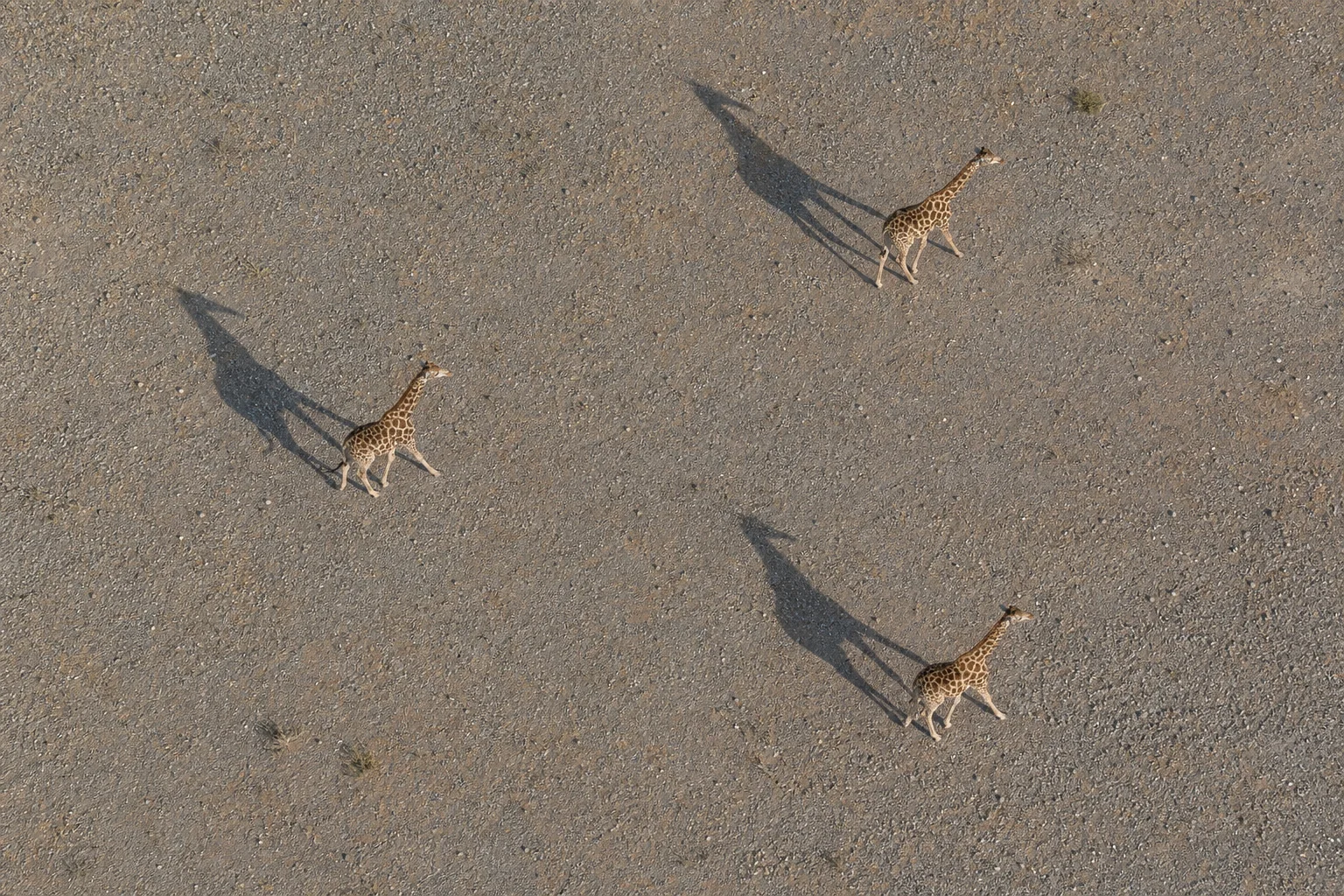
Giraffes and their long shadows crossing an open landscape.

Prepare

Bring the people and funding together.

  1. Form the nonprofit and planWe are here

    Bring local conservation and community expertise into site selection, ownership, oversight and the reserve’s running costs.

    Before the next stageAn accountable organisation and an assessable plan for a suitable site.

  2. Secure land and care funds

    Invite donations, founding gifts and grants for a defined acquisition, including the resources to care for the land from day one.

    Before the next stageFunding secured for the verified acquisition cost and initial stewardship, with clear fundraising terms.

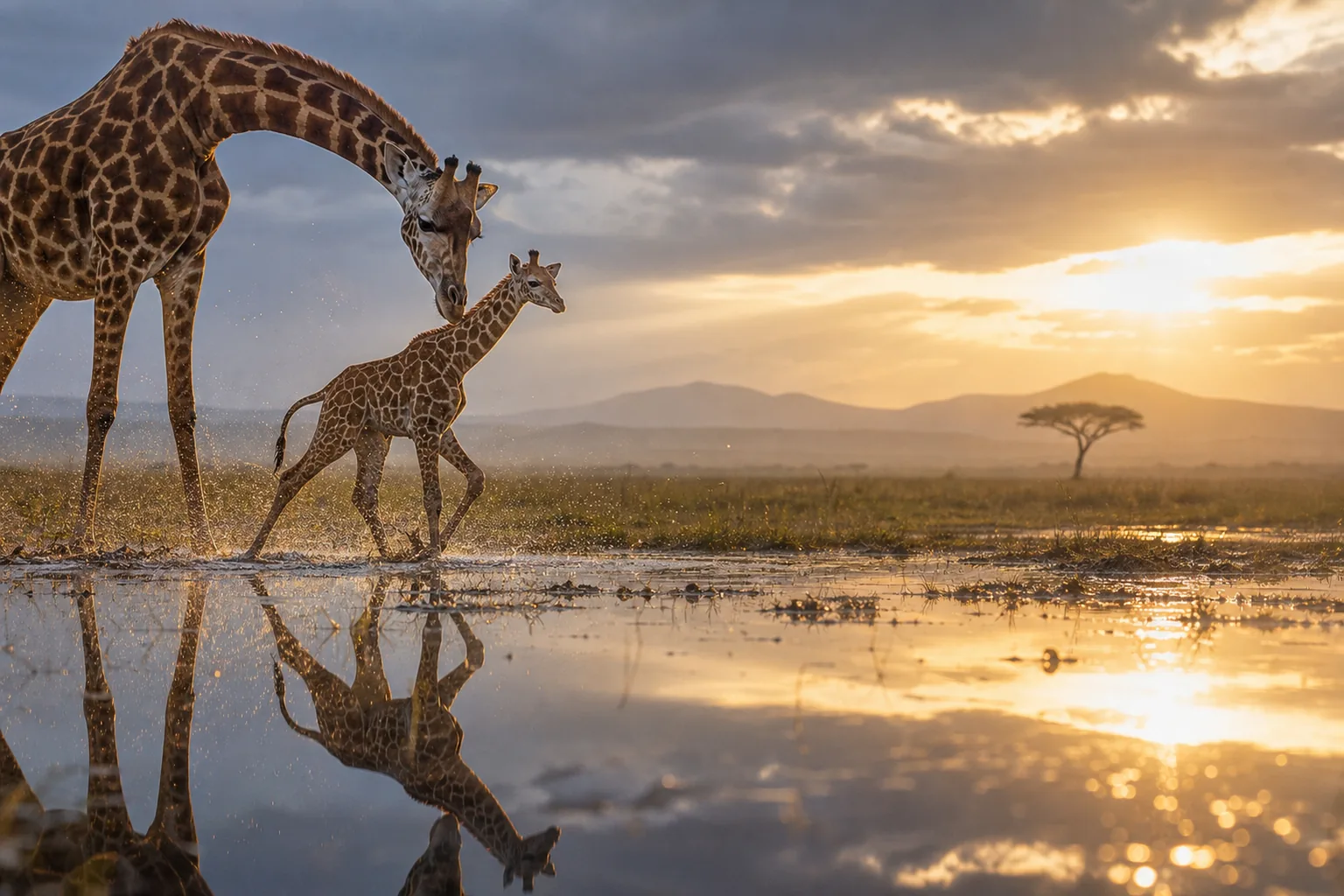
A mother giraffe and her calf in a green landscape after rain.

Protect

Make the land a lasting home.

  1. Purchase and protect the land

    Complete land and rights checks, acquire the reserve through the nonprofit and put lasting habitat protection arrangements in place.

    Before the next stageOwnership secured and a funded conservation management plan.

  2. Establish care and test the tools

    Resource field teams and habitat care. Introduce technology pilots and specialist sanctuary care where needs, welfare and funding support them.

    Before the next stageCare capacity in place and each pilot independently assessed before wider use.

A small lodge overlooking the reserve at dusk.

Sustain

Fund its future. Grow its reach.

  1. Build and open the lodge

    Confirm demand, access, environmental impact, local benefits and operating costs, then fund, build and open the lodge.

    Before the next stageA funded lodge operating under an approved plan, with its conservation contribution defined.

  2. Reinvest and grow the reserve

    Direct available lodge profits into conservation, care and better tools. Expand habitat when the first reserve’s stewardship is secure.

    Before the next stagePublished conservation transfers and a sound case for each further acquisition.

These are milestones, with no confirmed dates or fundraising target yet. Hospitality feasibility would be assessed before a land commitment if that purchase depends on tourism income.

Radical
transparency.

The NGO’s entire accounting.
Open to everyone.

Trust should come from evidence. We will publish income, spending, balances and budgets so visitors and donors can follow the money, examine our decisions and judge the work for themselves.

Behind every payment

Every expense
The amount, date and recipient of every payment, from land purchases to day-to-day costs.
Every invoice
The invoice, receipt or supporting document behind the payment, available for everyone to inspect.
Every reason
Why the expense was needed, why we chose it and how it fits the conservation plan.
Every outcome
What we want the spending to achieve, followed by what it actually achieved and what we learned.

Download it.
Check it. Challenge it.

Download individual invoices, receipts and the full accounting data. Check them yourself, share them with an accountant or ask AI to analyse the spending and the reasons behind it.

Readable accounts CSV & JSON downloads Downloadable invoices

How we will report

Monthly records, annual accounts. We will publish income and expenses, cash balances, restricted funds and budgets against actual costs, explaining differences. Donations received will be distinguished from promises.

The lodge’s contribution, fully visible. Its income, operating costs, reserves and financing obligations will be reported alongside the amount actually transferred to conservation.

Public archive coming with the first financial records. We will make the records available here from the first transaction.

Personal, banking and sensitive wildlife details will be redacted. Amounts, purposes and outcomes will remain visible, with any material omissions explained.

Help turn this vision
into a place.

A future donation, a founding gift or the right expertise could help make the first reserve possible.

Introduce yourself. The first conversation helps us understand the support or expertise you could bring and discuss the next milestone together.

  • Discuss a future donation, major gift or grant
  • Bring land, conservation or practical expertise
  • Explore a later hospitality partnership

The nonprofit is not yet formed. We’re opening conversations, with no payment or commitment at this stage.

Start a conversation

Introduce yourself and we will reply by email. There is no payment or commitment.

Fields marked * are required.

Your introduction

We use your details to respond to your introduction. This form uses Google reCAPTCHA to limit spam. Google’s Privacy Policy and Terms of Service apply.

Good questions belong at the start.

More about the plan, the funding and what comes next.

Where does the project stand today?

We are at the founding stage. The nonprofit has not yet been formed, and no country, site, land purchase, operating facility or opening date is confirmed. The Last Giraffe already publishes giraffe knowledge and research, and we have documented early engineering designs for the proposed conservation tools. The next milestone is an accountable organisation and a costed reserve plan developed with local expertise.

Can I donate now?

Not yet. We welcome conversations about future donations of any size, major gifts and foundation grants. This page collects introductions, not payments or financial commitments. We would open an appeal only with an appropriate receiving organisation, a defined purpose, accountable financial controls and clear terms.

Who would own and protect the land?

Our intention is for a nonprofit to own a large, suitable area of natural habitat and dedicate it to giraffe conservation. Country-specific ownership arrangements, local rights, community participation and long-term legal protections must be established as part of the reserve plan. Purchasing land and resourcing its ongoing protection belong together.

How would the lodge fund conservation?

Our intention is to reinvest the lodge’s available profits into habitat protection, animal care, conservation technology and eventually more land. Operating costs, necessary reserves and any financing obligations would come first. Ownership, operating arrangements and the conservation contribution must be defined before funding is sought. The reserve also needs its own stewardship funding while the lodge is developed and during weaker trading periods.

Can I discuss a future hospitality partnership?

Yes. Select the hospitality interest in the form to introduce your experience or explore a later funding conversation. This is separate from a donation to conservation. There is no current investment offering or promised financial return; a site, viable business case and appropriate structure would need to come first.

Would older giraffes automatically move to the sanctuary?

No. Age alone would never decide a move. Wildlife veterinarians would assess whether care could improve an animal’s welfare, whether transport is appropriate and whether its needs could be met. Comfort, suitable nutrition and specialist end-of-life care would guide the sanctuary, with quiet spaces separate from guests.

Are the technology and lodge already built?

No. The trackers, voluntary health station and drone network have detailed early research and engineering designs, but they are not field-ready systems. Prototypes, safety and welfare trials, expert review and local approvals are still ahead. The proposed lodge and airstrip also need a suitable site, a viable plan and the necessary permissions.

When can I inspect the financial records?

The first public records would follow nonprofit formation and financial activity. We intend to publish a readable monthly ledger, CSV and JSON downloads, supporting documents and annual accounts. Personal, payment-security and sensitive conservation information would be protected, with amounts and categories visible and material omissions explained. No project financial report is available yet.

Grounded in curiosity, guided by evidence. Explore our giraffe science and the Giraffe Conservation Foundation’s tracking research. These resources inform the vision; they do not imply a partnership or endorsement.