Scientific commentary
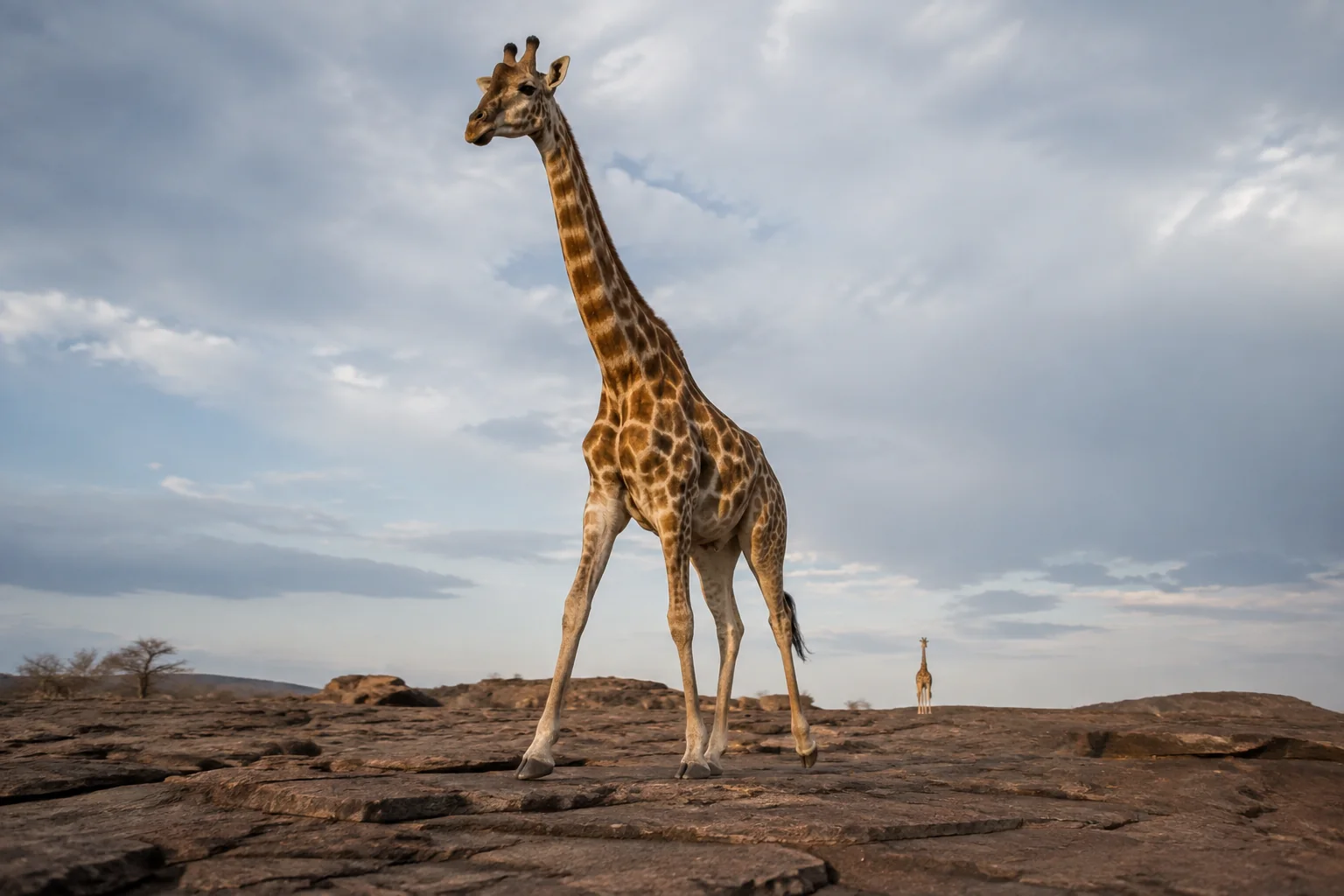
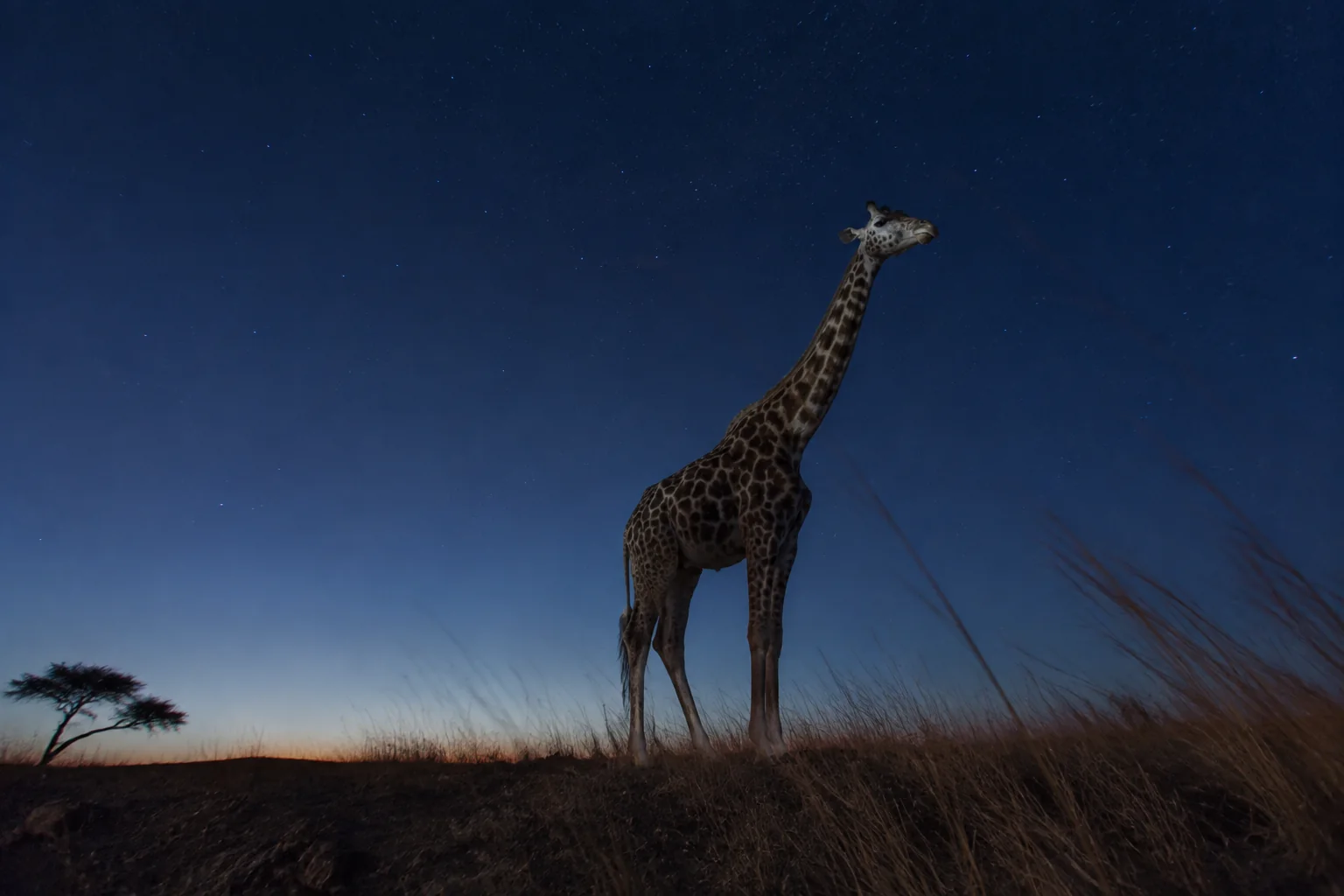
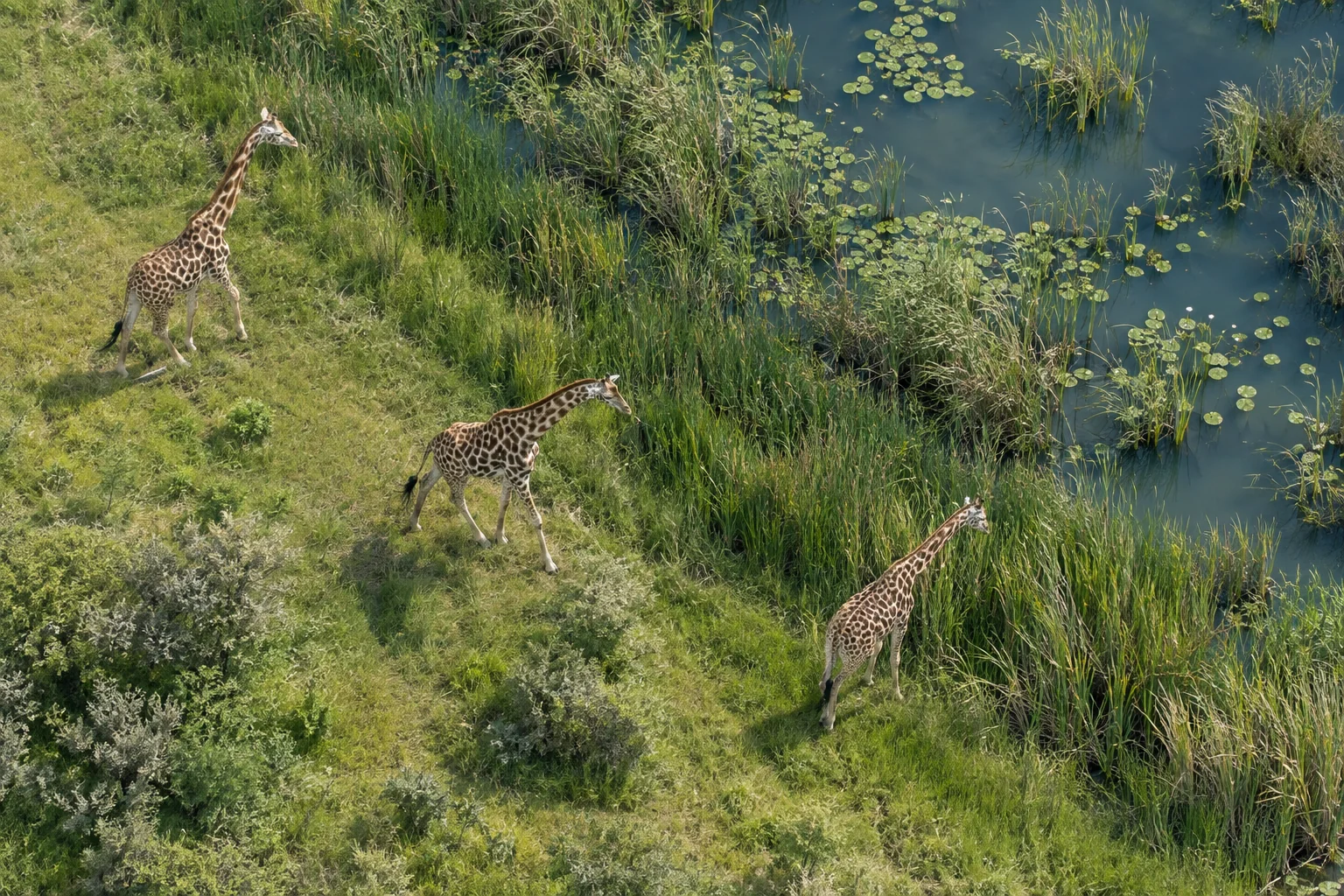
South Sudan’s Giraffes Hold a Surprising Genetic Inheritance
After decades of conflict and population losses, DNA from two national parks reveals genetic variety that future generations could still inherit.

How do giraffes live, adapt and survive? Follow the scientists uncovering their world, from the history written in their DNA to the relationships that shape their lives.
Discover what researchers found, how they found it, and why it matters for giraffes. Each story connects the original study to a wider scientific picture.
Scientific commentary
After decades of conflict and population losses, DNA from two national parks reveals genetic variety that future generations could still inherit.
Scientific commentary
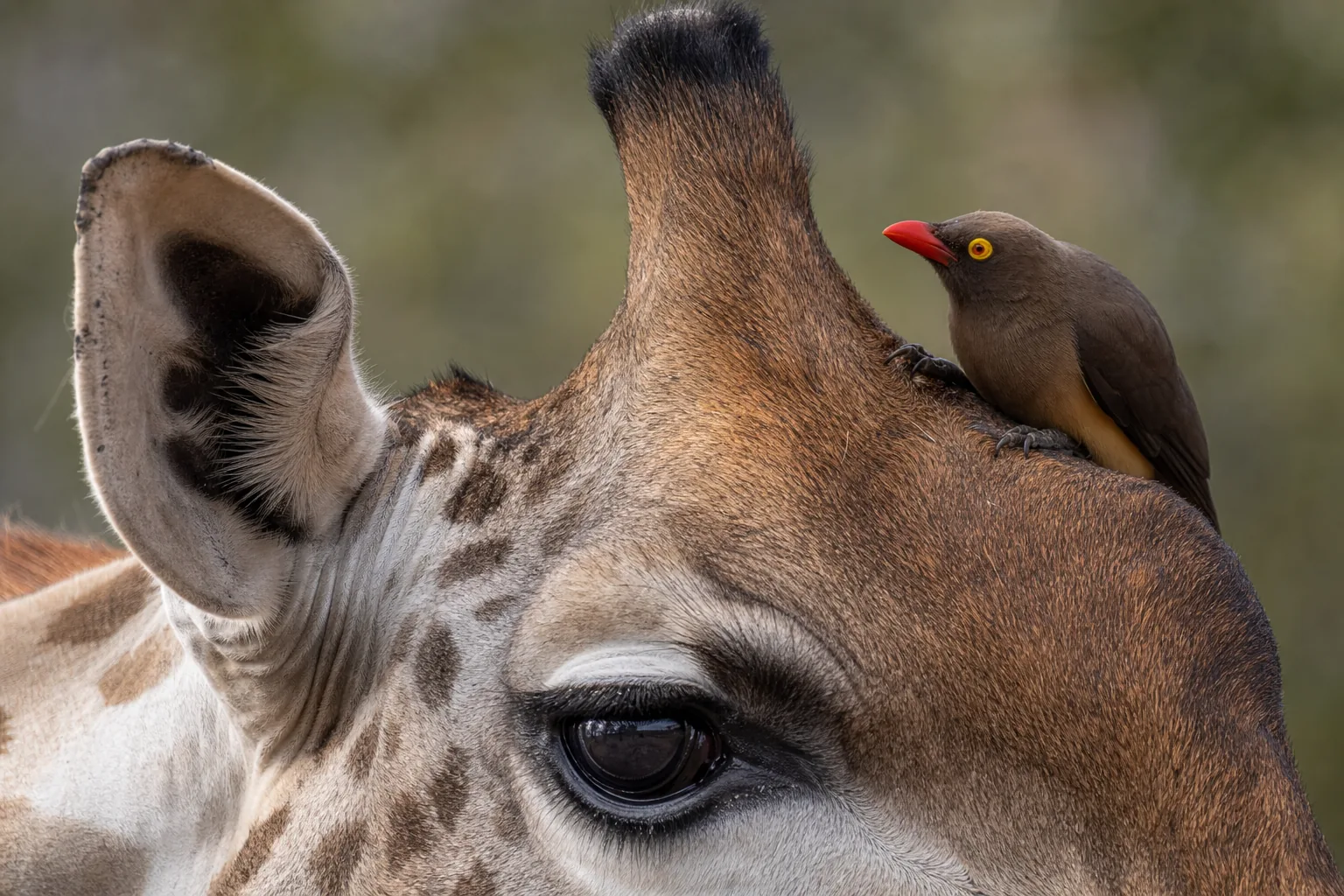
A heart wall changes shape with every beat. High-resolution scans reveal the connected muscle architecture behind that movement.
Scientific commentary
Zoo giraffes were expected to look leaner than their wild counterparts. A scale built from hip photographs revealed the opposite pattern—and a way to monitor condition from a distance.
Scientific commentary
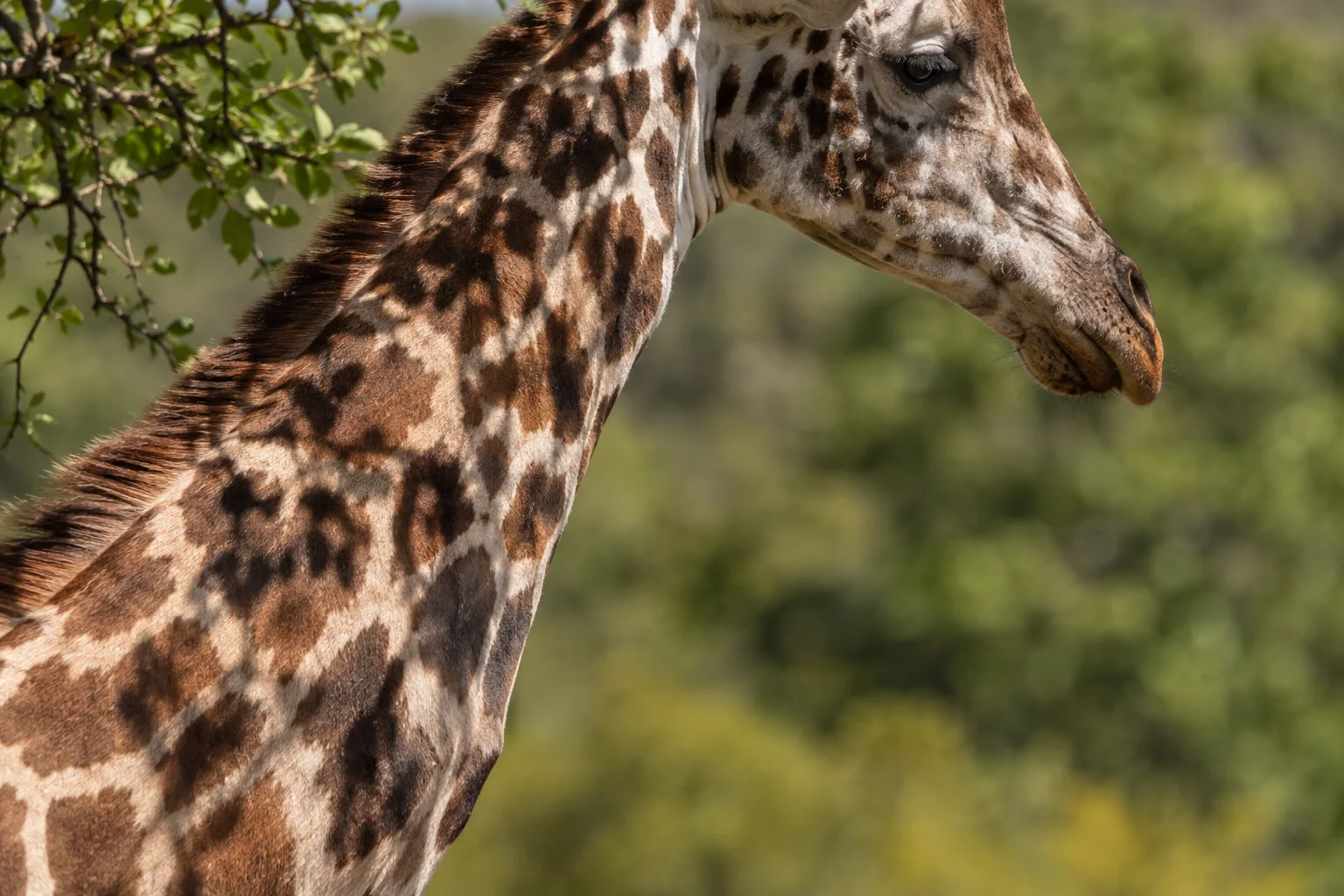
Comparing photographs with seven years of association records uncovered a small link between a female giraffe’s coat geometry and her social partners.
Scientific commentary
A stillborn calf, a six-month-old juvenile and an old adult offered three views of how blood vessels develop as a giraffe grows.
Scientific commentary
A vertebra at the neck’s base looked less resistant to a standardised load than expected, pointing to a different division of work along the spine.
Scientific commentary
DNA suggests that males connected giraffe populations across Tanzania’s Gregory Rift long after their maternal family lines had become separated.
Scientific commentary
DNA from where giraffe ranges meet reveals a history of occasional interbreeding—and shows why those encounters have not made the different species interchangeable.
Scientific commentary
The most revealing trial was one where following the experimenter’s movement led a giraffe away from the food.
Start with broader introductions to giraffe communication and coat-pattern research.
Biology & Science
The quietest animal in your picture book has a voice. Press play, then discover why hearing a giraffe is not the same as understanding it.
Biology & Science
A photograph can reveal that a giraffe has returned. Its spots may also hold clues to survival—but those are different kinds of evidence.
Follow a question further through the research catalogue and topics covering giraffe biology, health and conservation.
Search giraffe papers by year, topic, evidence problem, and open-access status.
OpenSee where giraffe conservation and health evidence is strong—and where major gaps remain.
OpenDiscover the questions, fieldwork and findings advancing our understanding of giraffes.
OpenSee how researchers combined new DNA samples from South Sudan with earlier giraffe studies to build a broader comparison.
Explore the visual guideThe complete map
Viral, bacterial or fungal infection, outbreaks and zoonoses (excl. GSD).
Inspect evidenceStatus, decline, survival, abundance estimation and monitoring gaps.
Inspect evidencePredation and neonatal/juvenile mortality and recruitment.
Inspect evidenceImmobilisation, capture myopathy, handling stress, translocation and welfare.
Inspect evidenceHelminths, ticks, mites, protozoa and parasite burden.
Inspect evidenceDrought, climate change, heat and water stress.
Inspect evidenceTrauma, wounds, fractures, hoof problems, gait impairment and lameness.
Inspect evidenceSmall-population genetics, diversity loss, isolation as a conservation threat.
Inspect evidenceBody condition, food supply, starvation, mineral/energy deficiency.
Inspect evidenceDystocia, abortion, stillbirth, congenital defects, neonatal medical mortality, maternal rejection (non-predation).
Inspect evidenceHabitat loss, land-use change, encroachment and connectivity loss.
Inspect evidenceManaged-care welfare: stereotypies, visitor and environment stress, husbandry-induced stress (distinct from wild social disruption).
Inspect evidenceWire snares, poaching, bushmeat, trafficking, trophy hunting.
Inspect evidenceGI and metabolic disease: bloat, acidosis, volvulus, pancreatic disease, serous fat atrophy, peracute mortality syndrome.
Inspect evidenceGiraffe skin disease, including cutaneous filariasis and related dermatoses.
Inspect evidenceTumours and neoplastic disease: fibropapillomas, PVNS, carcinomas, sarcomas.
Inspect evidenceChronic foot and hoof pathology: laminitis, overgrowth, pedal osteitis, sole disease (distinct from acute injury).
Inspect evidenceConflict and competition with people and livestock.
Inspect evidenceLoss of sociability/association and orphaning affecting survival.
Inspect evidenceRoadkill, electrocution, fence entanglement and infrastructure impacts.
Inspect evidenceWhat it is
The corpus spans 1771–2026 and groups bibliographic records into practical evidence areas. It helps readers find sources; inclusion is not endorsement and a record count is not a systematic-review result.
What readers get
Records expose bibliographic metadata, DOI links, and open-access locations where available. Copyrighted full text, private notes, and researcher contact data are not republished.
Methods before claims
The methodology explains collection, classification, privacy filtering, open-access labels, and why working notes are not presented as finished reviews.