Scientific commentary
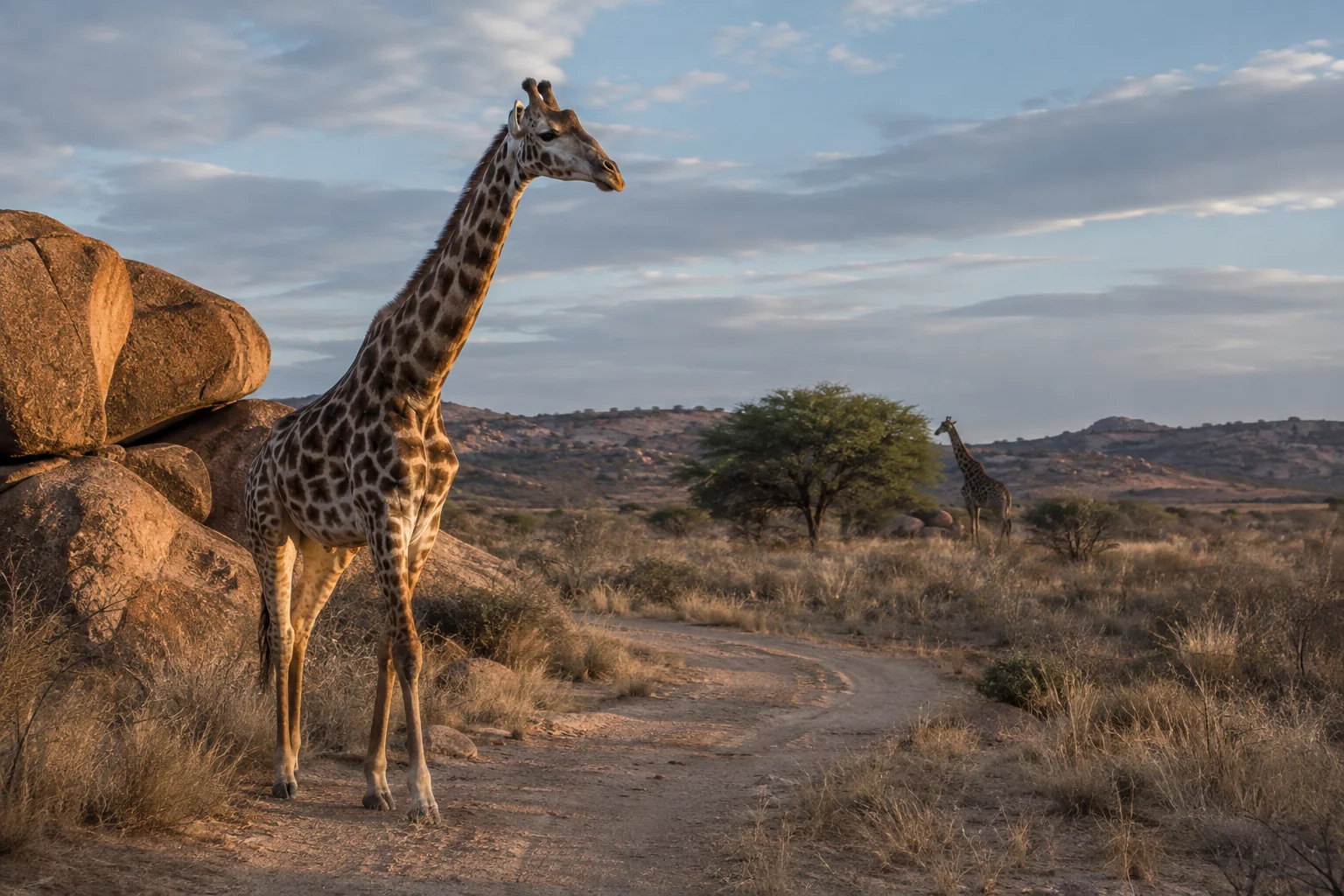
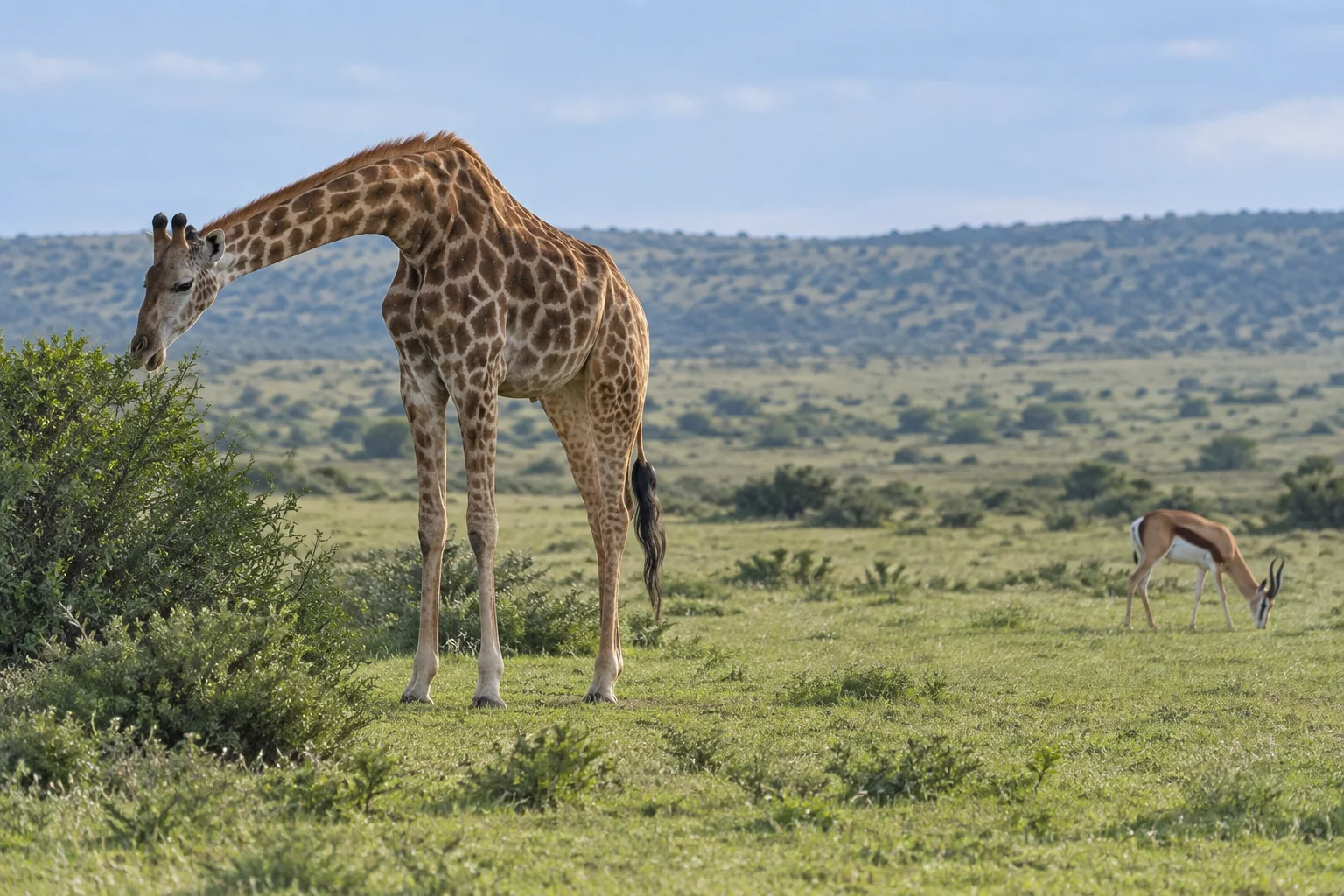
Giraffes and camels shared shrubs but fed at different heights
Watching two tall browsers showed why sharing plant species is only the beginning of a competition study.

The questions, fieldwork and discoveries behind giraffe science. Each story explains an original study, what it found and what remains uncertain.
145–153 of 179 stories
Scientific commentary
Watching two tall browsers showed why sharing plant species is only the beginning of a competition study.
Scientific commentary
A shared map hid a difference in timing that only appeared when researchers followed the sequence of camera detections.
Scientific commentary
Matching the landmarks on fossil and living neck bones required more than a simple stretch.
Scientific commentary
A difference in a fossil’s size can earn it a different name. A larger comparison asks whether the difference really separates species.
Scientific commentary
A line inside a fossil bone records something that happened during life. Establishing whether it marks a year is a separate problem.
Scientific commentary
A giraffe must keep blood reaching its brain as its head rises and falls. Researchers explored whether an arterial mesh beneath the brain helps steady that supply.
Scientific commentary
Orexin is a brain messenger involved in wakefulness and feeding. Giraffes and porpoises shared an unusual arrangement of its cells, despite differing cell counts and sizes.
Scientific commentary
One giraffe’s lesions contained visible virus particles; another’s yielded viral DNA when microscopy was negative.
Scientific commentary
Before a urine measurement can reveal illness, researchers need to know what it looks like in clinically healthy giraffes.