Scientific commentary
When Large Herbivores Hold Back an Invasive Cactus
Animals can spread an invasive plant and damage it. Long-running exclusions reveal which effect wins overall.

The questions, fieldwork and discoveries behind giraffe science. Each story explains an original study, what it found and what remains uncertain.
73–81 of 179 stories
Scientific commentary
Animals can spread an invasive plant and damage it. Long-running exclusions reveal which effect wins overall.
Scientific commentary
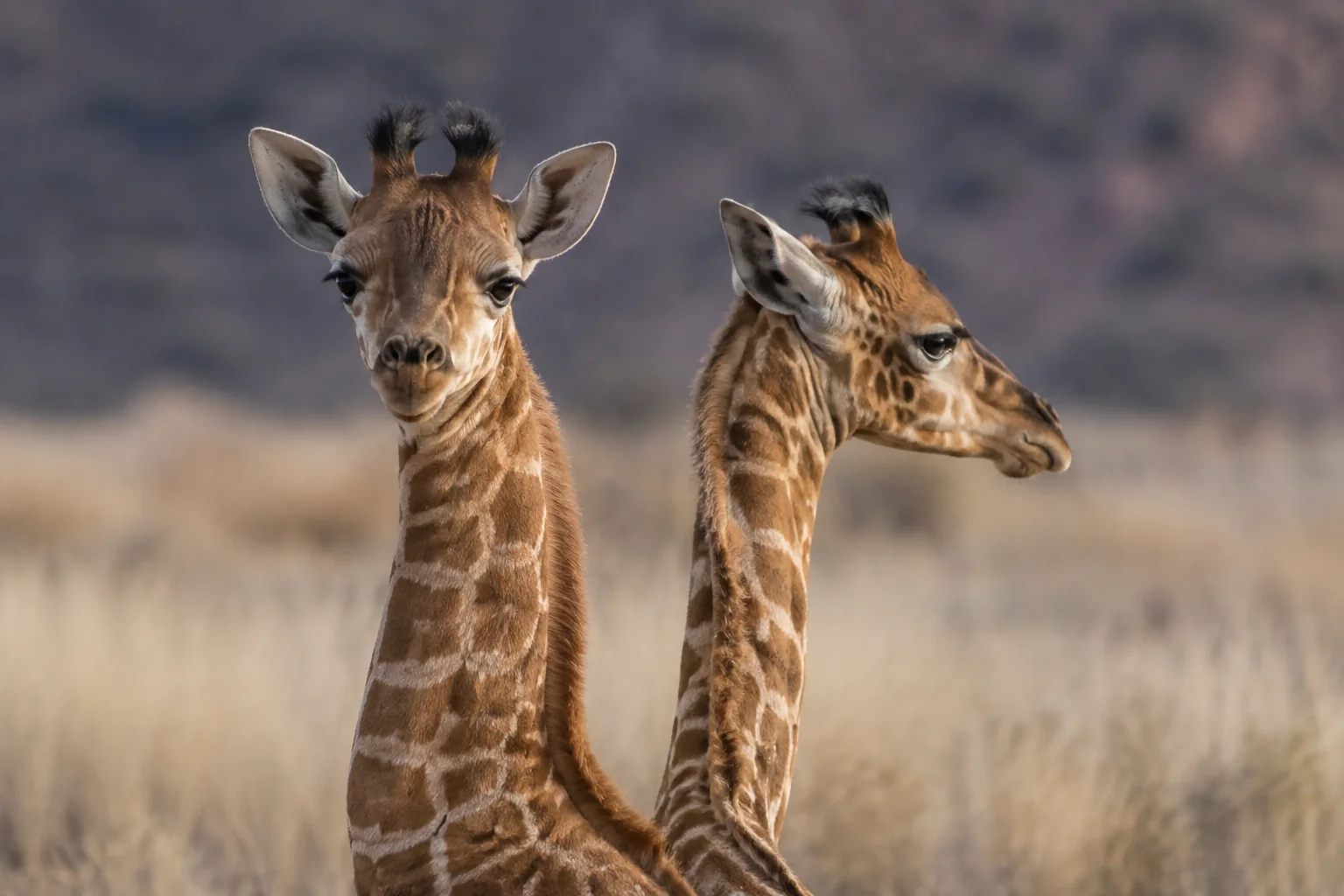
Young giraffes were conspicuous on a lived-in plateau beside the Mara. Their presence changes which places deserve conservation attention.
Scientific commentary
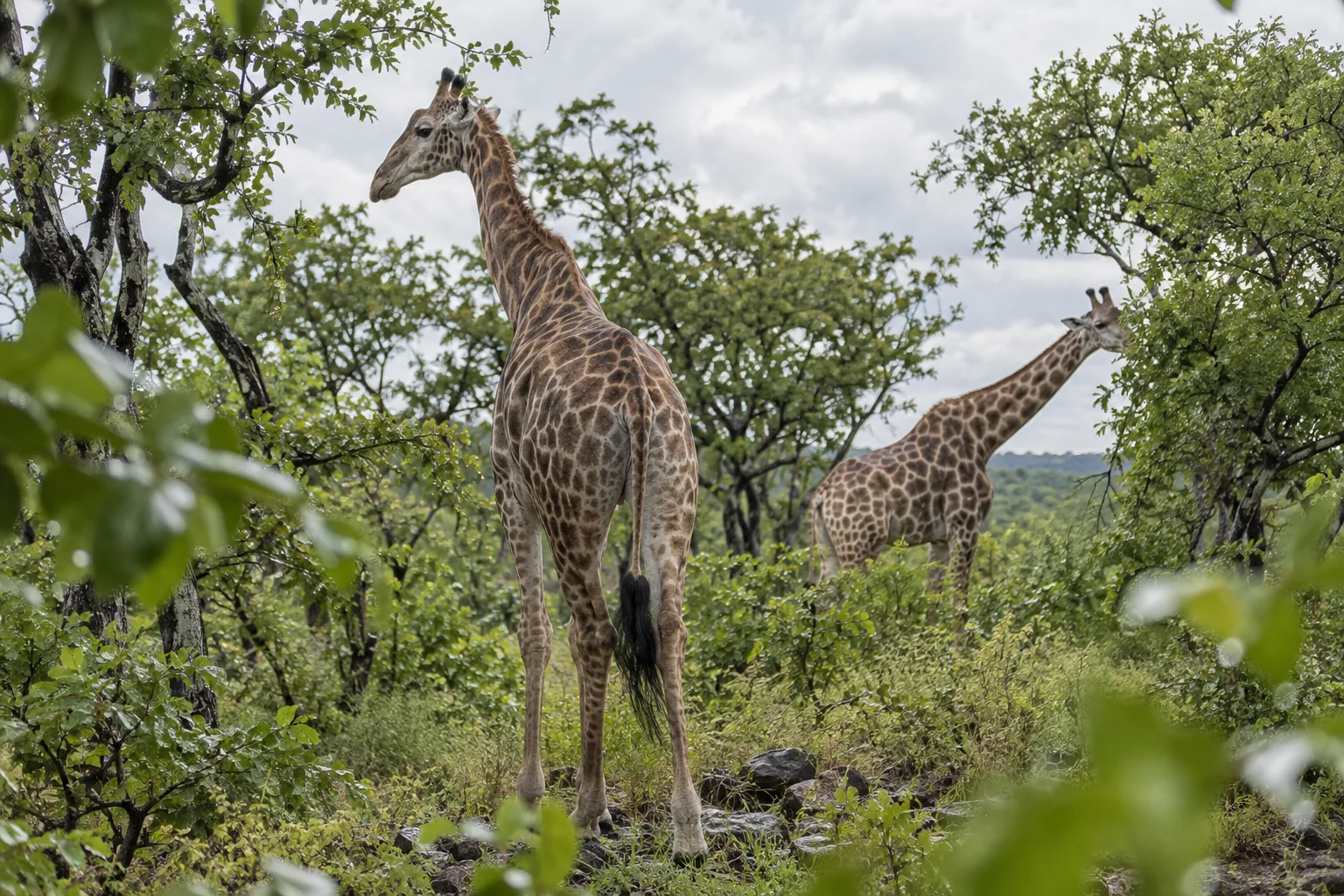
Giraffes could use a cactus-rich neighbourhood while being less likely to use its most invaded patches. The scale of the question changed the answer.
Scientific commentary
A low sound on a recording can establish a vocal ability without revealing who called, who listened or what the exchange meant.
Scientific commentary
Who shares a group can depend on what that group is doing, making an all-day association score an incomplete portrait of a relationship.
Scientific commentary
An older female stayed down longer outside, while her younger companion shortened her bouts. Extra space did not produce one shared response.
Scientific commentary
Thermal cameras revealed a group settling together without every animal becoming vulnerable at the same moment.
Scientific commentary
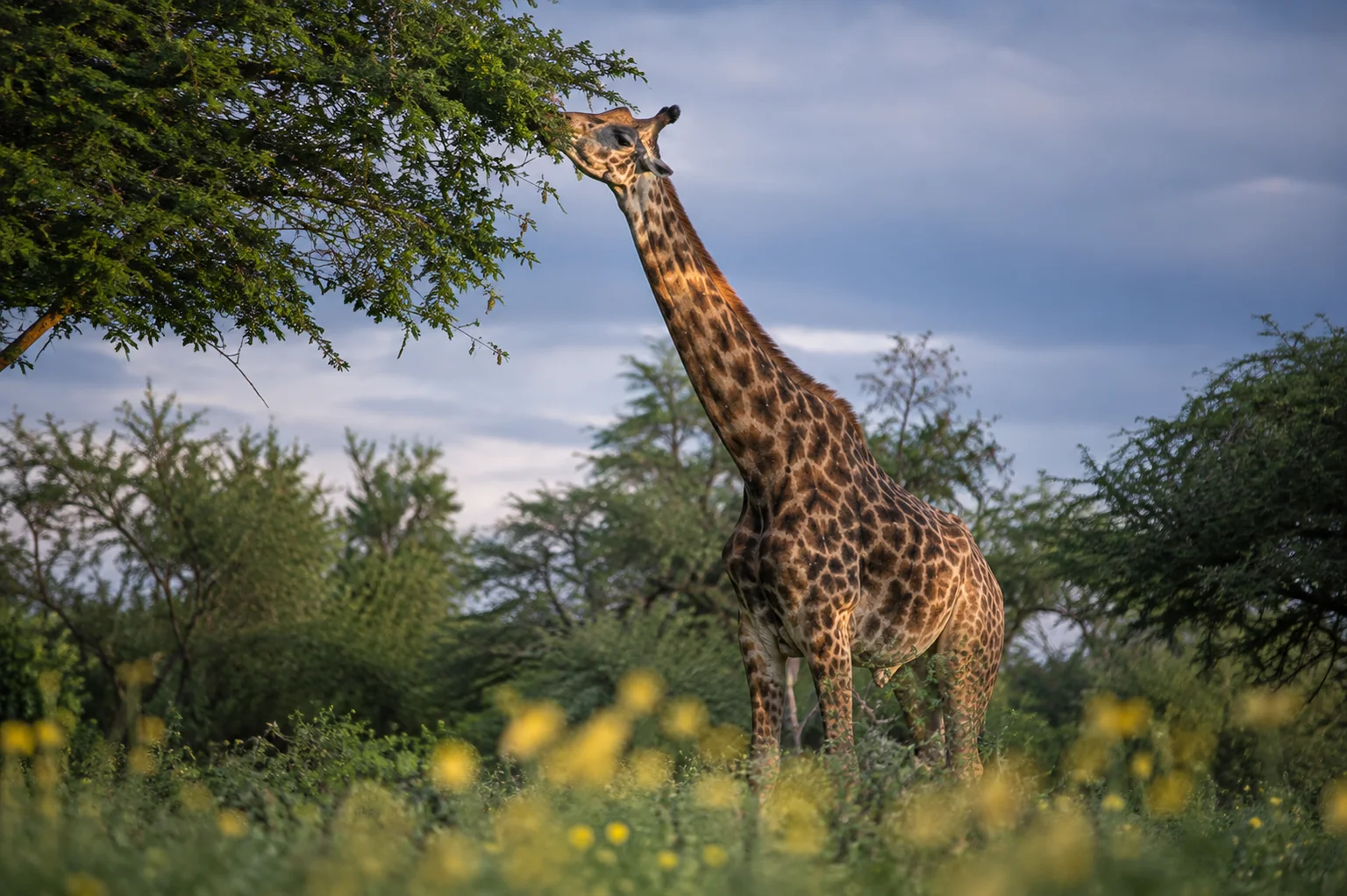
Comparing branches by the first burst of feeding misses what a giraffe does with the meal—and the remaining branches—later.
Scientific commentary
A hoof looks like a hard shell. Looking beneath it reveals an organised boundary between growing horn, living tissue and the structures that support each step.