Scientific commentary
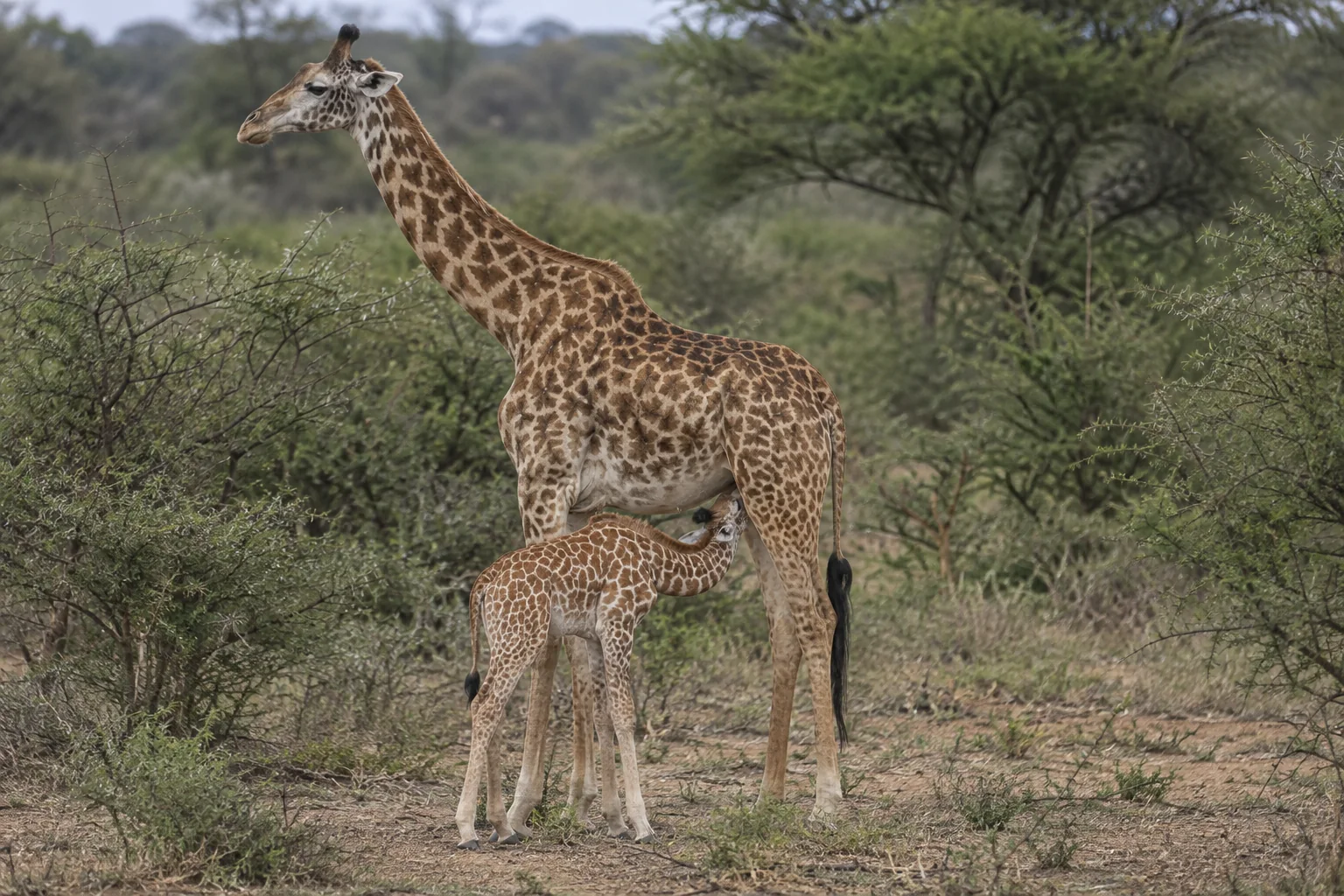
Experienced Giraffe Mothers Gave Calves More Nursing Time
Previous births helped explain nursing tolerance, but experience and age were difficult to separate.

The questions, fieldwork and discoveries behind giraffe science. Each story explains an original study, what it found and what remains uncertain.
100–108 of 179 stories
Scientific commentary
Previous births helped explain nursing tolerance, but experience and age were difficult to separate.
Scientific commentary
At Ol Pejeta, links beyond an animal’s usual social circle explained parasite occurrence better than repeated associations within that circle.
Scientific commentary
Water can support an animal’s weight without giving it an easy way to breathe, steer or move forward.
Scientific commentary
A wider survey documented giraffes beyond their previously mapped range, showing why conservation plans need to look farther along the valley’s rivers.
Scientific commentary
Two Serengeti populations kept producing calves but continued to shrink. Years of individual photographs reveal the importance of keeping older animals alive and resident.
Scientific commentary
Recovery had left West African giraffes concentrated in one area. Moving a small group back into their former range created another place for the subspecies to breed.
Scientific commentary
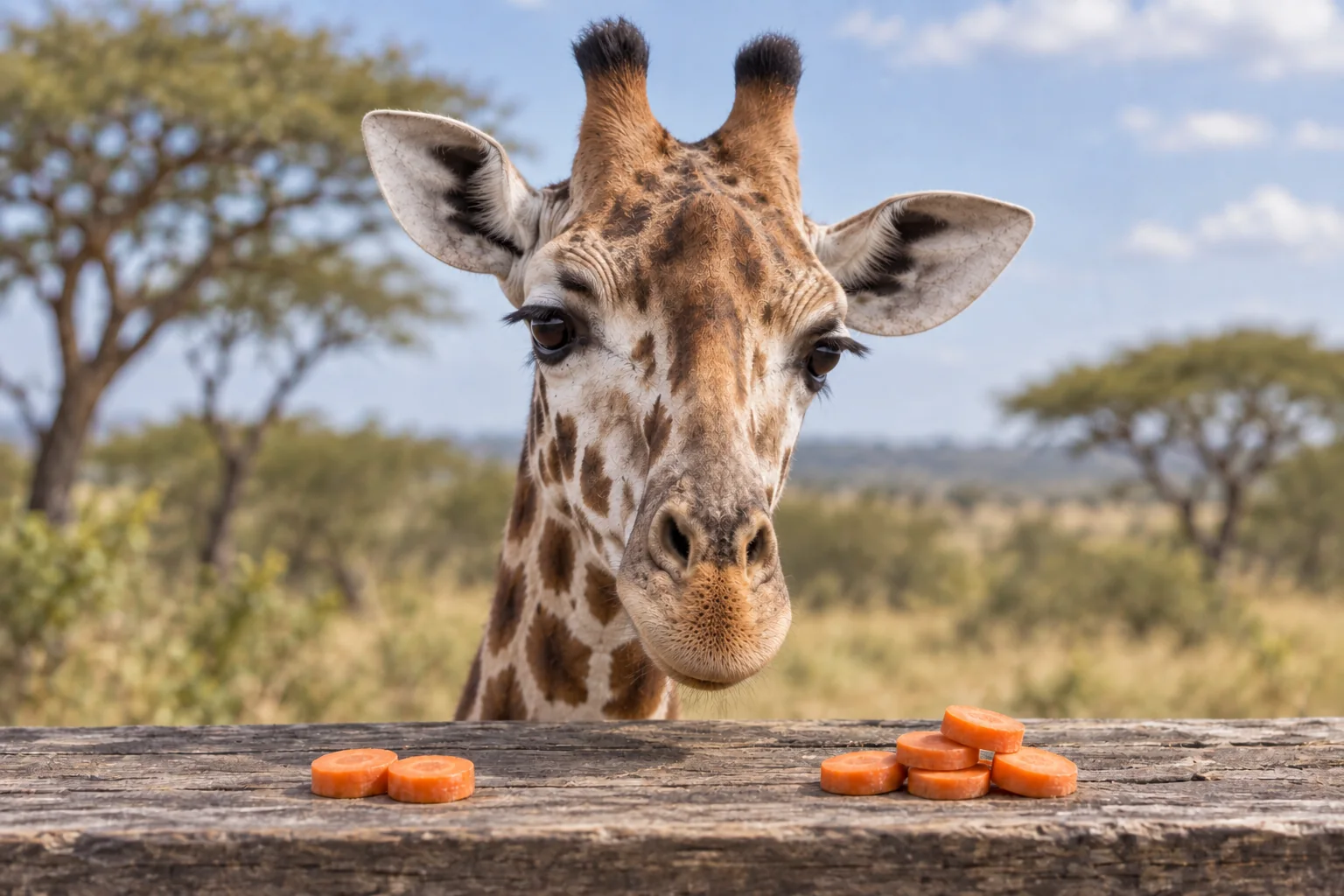
A carrot experiment at Barcelona Zoo asked giraffes to follow a meal that changed out of sight—and gave researchers a way to test how they did it.
Scientific commentary
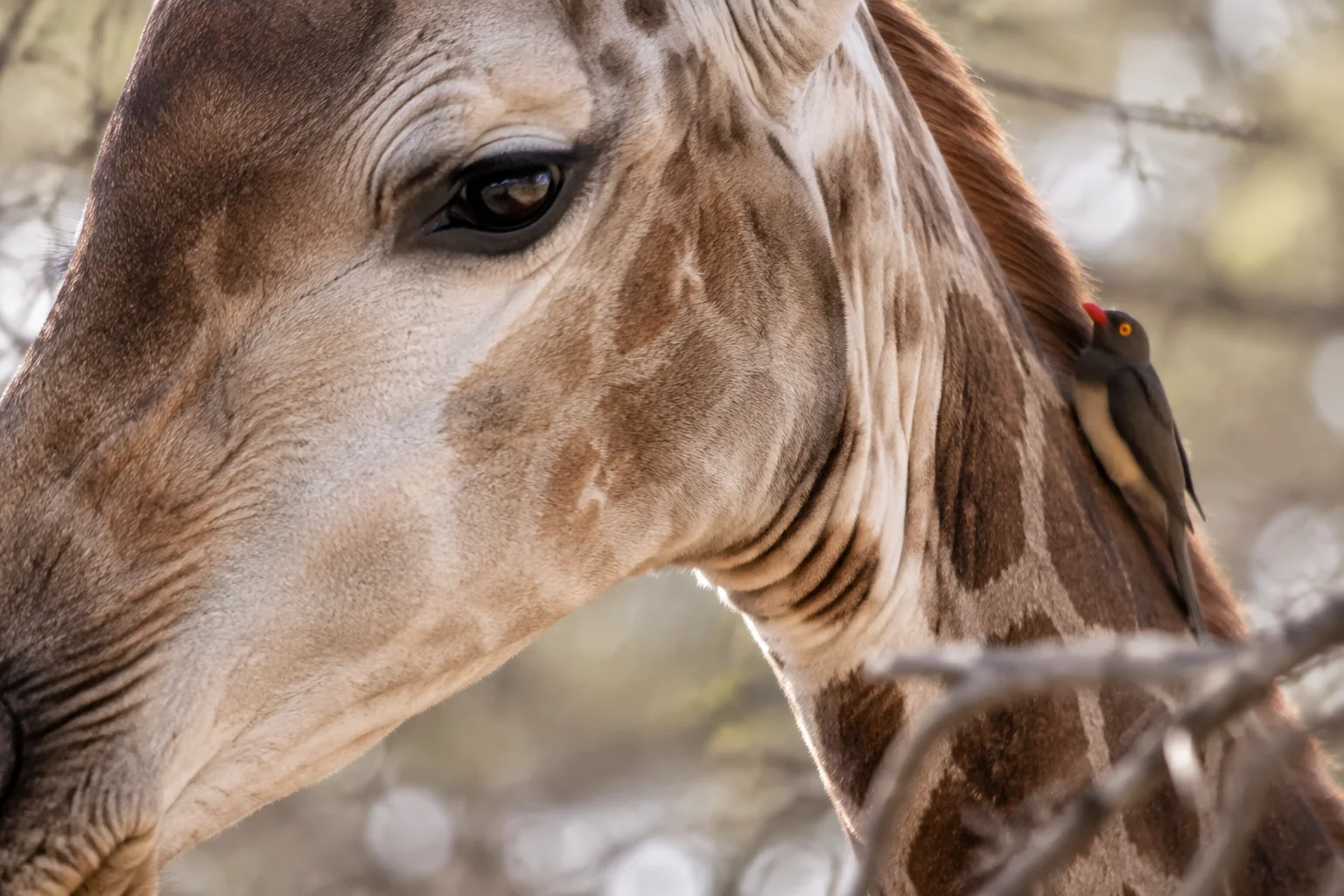
A bird’s warning can cost a giraffe a mouthful of leaves. Playback experiments show that the interruption lasts longer in a landscape shared with lions.
Scientific commentary
Two containers could hold the same number of carrots yet offer very different prospects for a snack. Four giraffes responded to that difference.