Scientific commentary
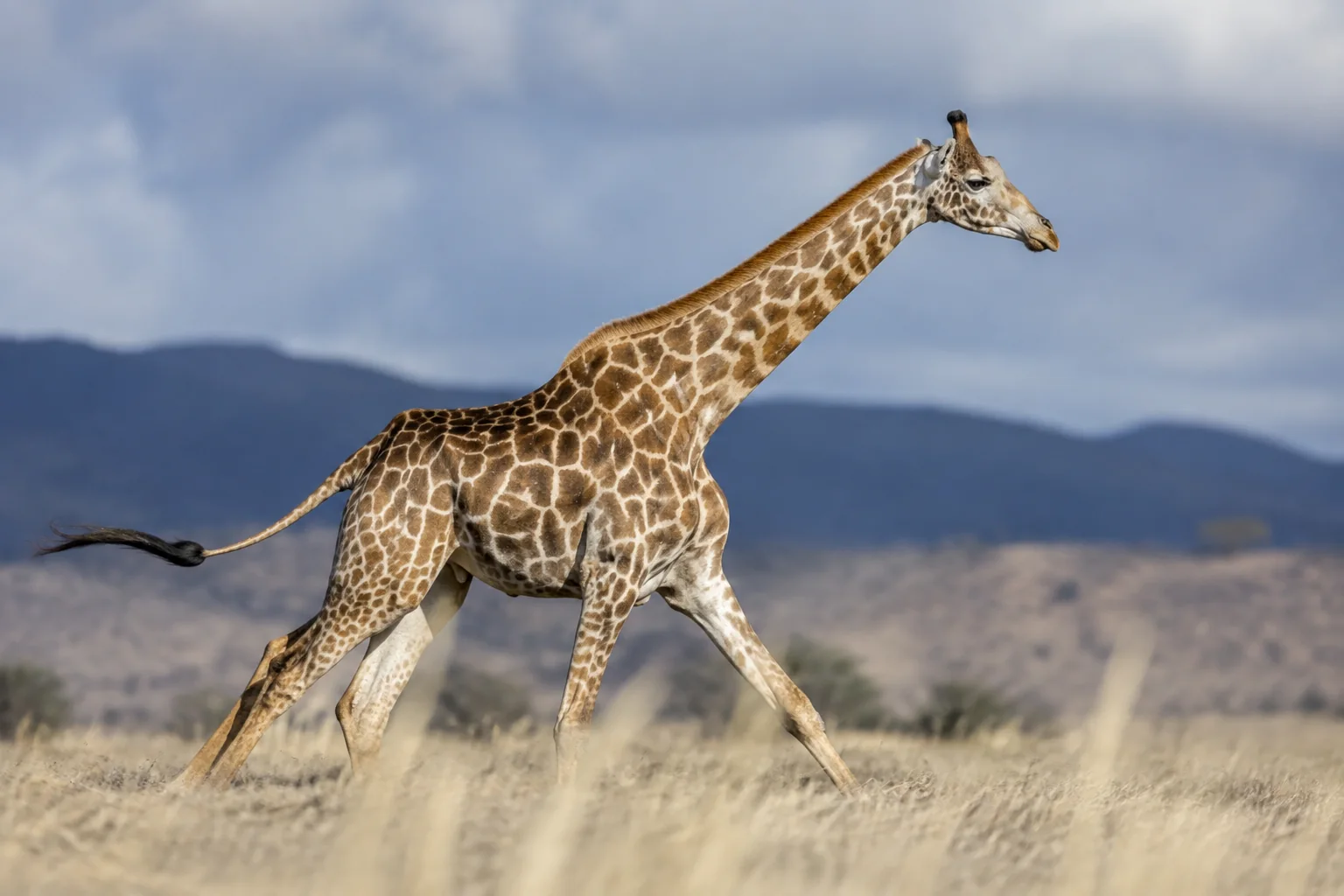
Teaching Motion Sensors to Recognise a Giraffe’s Day
A movement record becomes a behaviour record only after researchers establish what its patterns mean—and test whether that meaning travels between animals.

The questions, fieldwork and discoveries behind giraffe science. Each story explains an original study, what it found and what remains uncertain.
127–135 of 179 stories
Scientific commentary
A movement record becomes a behaviour record only after researchers establish what its patterns mean—and test whether that meaning travels between animals.
Scientific commentary
An observer losing sight of a herd around midnight could miss the second half of a repeating nighttime pattern.
Scientific commentary
Indoor winter housing changed several parts of daily life at once. Following the same giraffes showed why the answer depended on the measure.
Scientific commentary
A tooth keeps several records at once. Reading them requires distinguishing a day of enamel growth from the much finer marks formed within it.
Scientific commentary
The name of an extinct giraffe rests on one neck bone. Other fossils assigned to it do not all point to the same-sized animal.
Scientific commentary
Long legs extend the journey for a nerve signal. Bigger muscles add a second source of waiting.
Scientific commentary
A larger giraffe has a larger digestive system, but its stomach and intestines do not simply expand in the same proportions.
Scientific commentary
Milk contains more than its main sugar, lactose. Identifying the smaller carbohydrate fraction opens a new question about what a giraffe calf receives.
Scientific commentary
Looking beyond a single suspect germ revealed a change across the microbial community, with bacteria and fungi telling different parts of the story.