Scientific commentary
Putting the Giraffe Genome Back Into Chromosomes
Reading DNA letters leaves a second problem: putting the pieces in the right order. Physical chromosome maps helped check a Masai giraffe reconstruction.

The questions, fieldwork and discoveries behind giraffe science. Each story explains an original study, what it found and what remains uncertain.
154–162 of 179 stories
Scientific commentary
Reading DNA letters leaves a second problem: putting the pieces in the right order. Physical chromosome maps helped check a Masai giraffe reconstruction.
Scientific commentary
A smaller pumping chamber helps the heart withstand the pressure needed to send blood up the neck, while leaving less blood to move with each beat.
Scientific commentary
The most visible signs were in a hind leg, but the disease was distributed through many organs.
Scientific commentary
The amount of a vitamin in a ration did not settle how much protection reached the newborn.
Scientific commentary
A newborn calf’s severe illness led researchers to a virus type familiar from cattle, raising a question about infections shared across animal hosts.
Scientific commentary
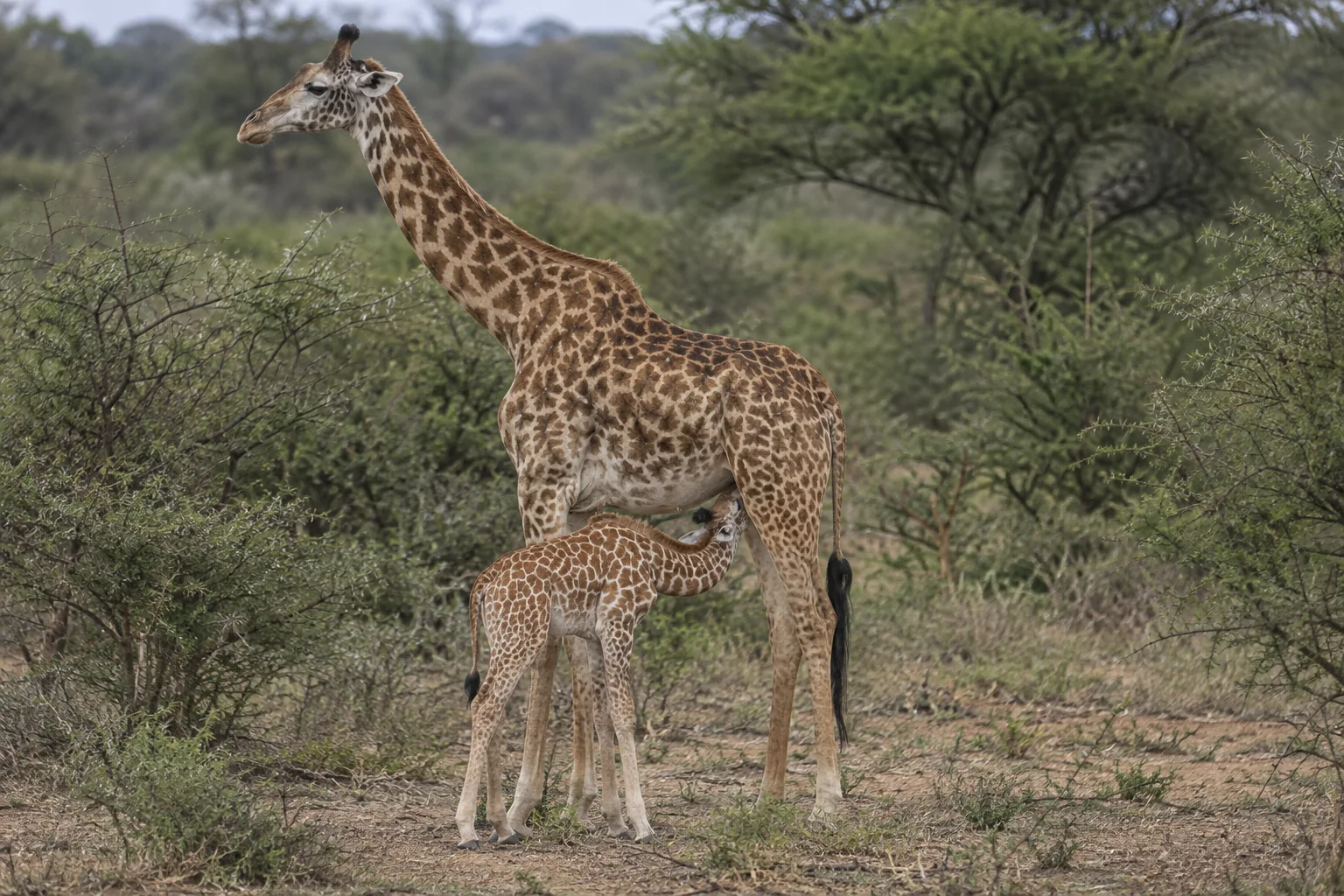
The sex difference remained when mothers ended the nursing bouts, making maternal tolerance part of the question.
Scientific commentary
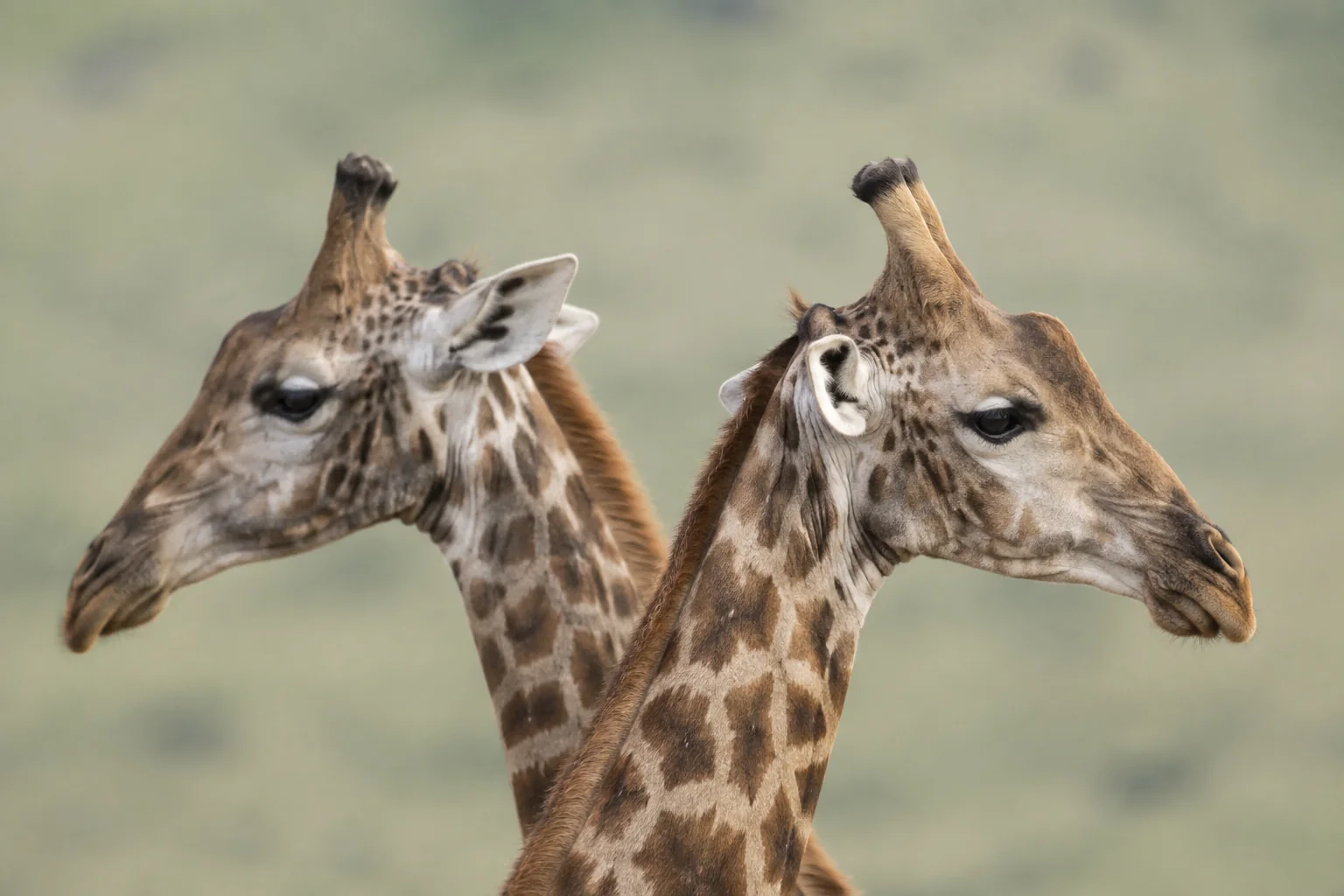
Sparring declined after one bull was treated, but his companion later injured him. The pair’s changing relationship mattered as much as one score.
Scientific commentary
After females left and a male arrived, three zoo giraffes spent more daytime standing and less time visibly feeding, while nights remained steadier.
Scientific commentary
A shared definition can separate gentle neck contact from forceful sparring—and keep a visible movement distinct from its possible meaning.