Scientific commentary
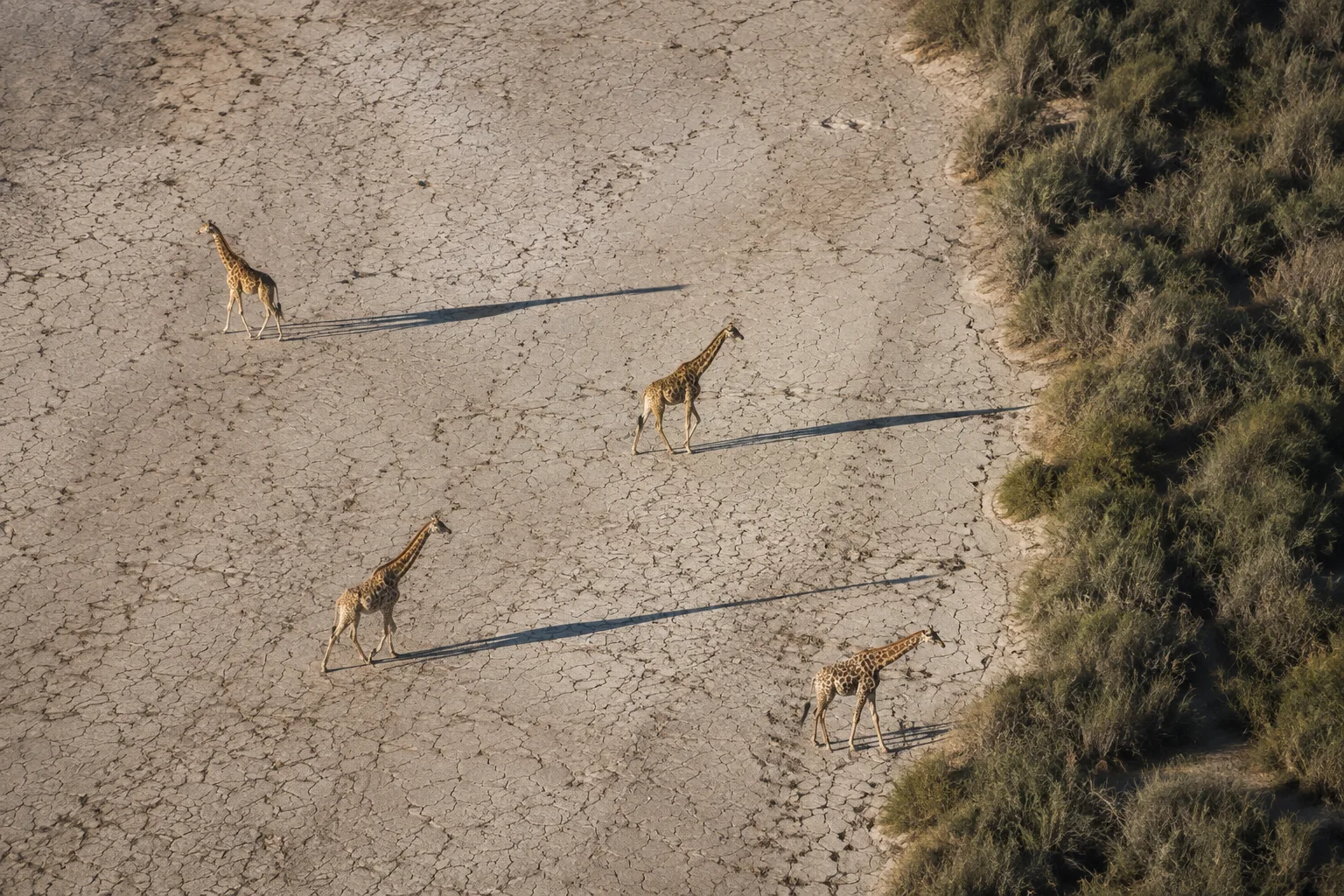
Why Tarangire’s Aerial Giraffe Estimates Needed Correction
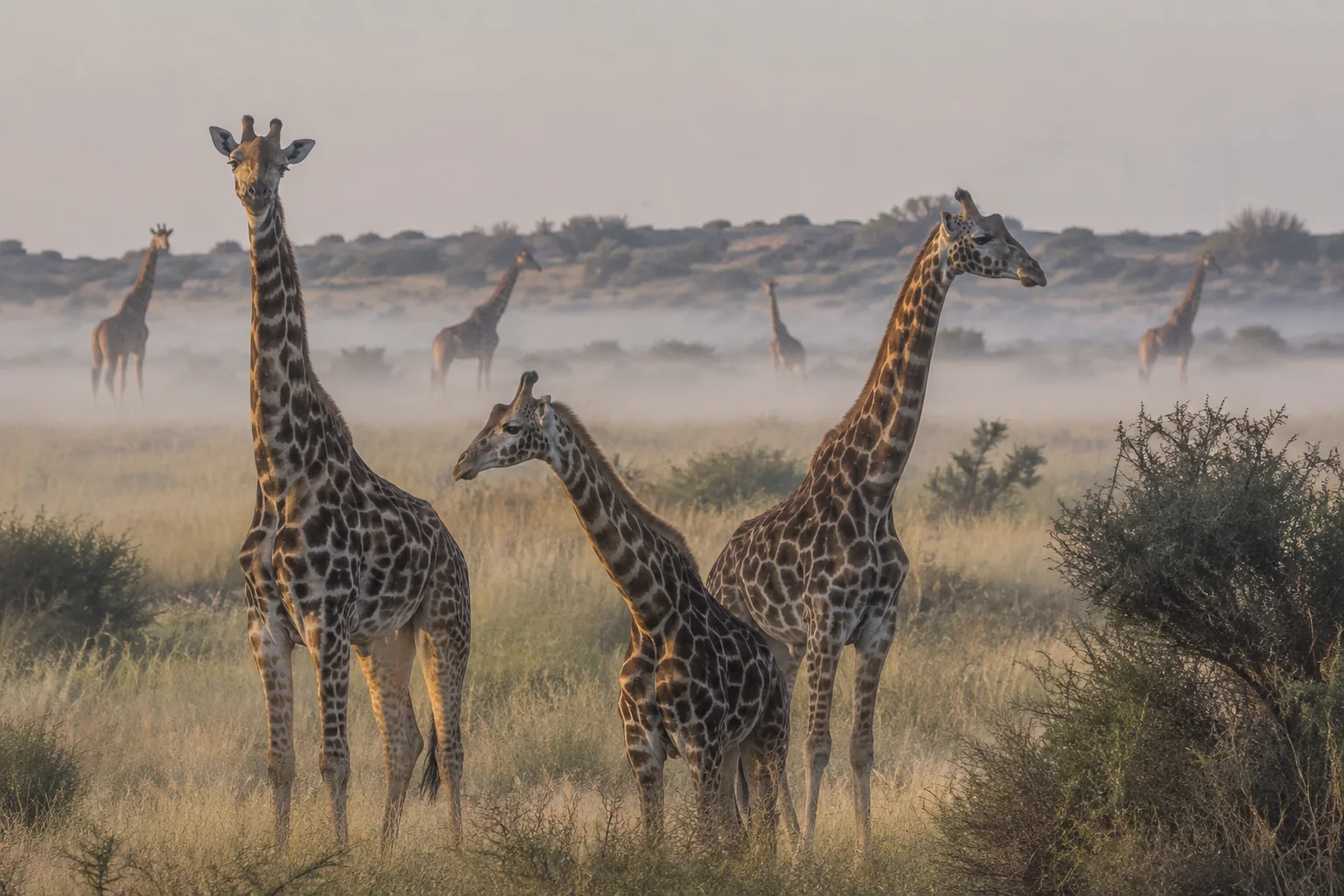
Photographing identifiable giraffes exposed a large aerial undercount, but the size of the correction changed sharply between neighbouring landscapes.

The questions, fieldwork and discoveries behind giraffe science. Each story explains an original study, what it found and what remains uncertain.
118–126 of 179 stories
Scientific commentary
Photographing identifiable giraffes exposed a large aerial undercount, but the size of the correction changed sharply between neighbouring landscapes.
Scientific commentary
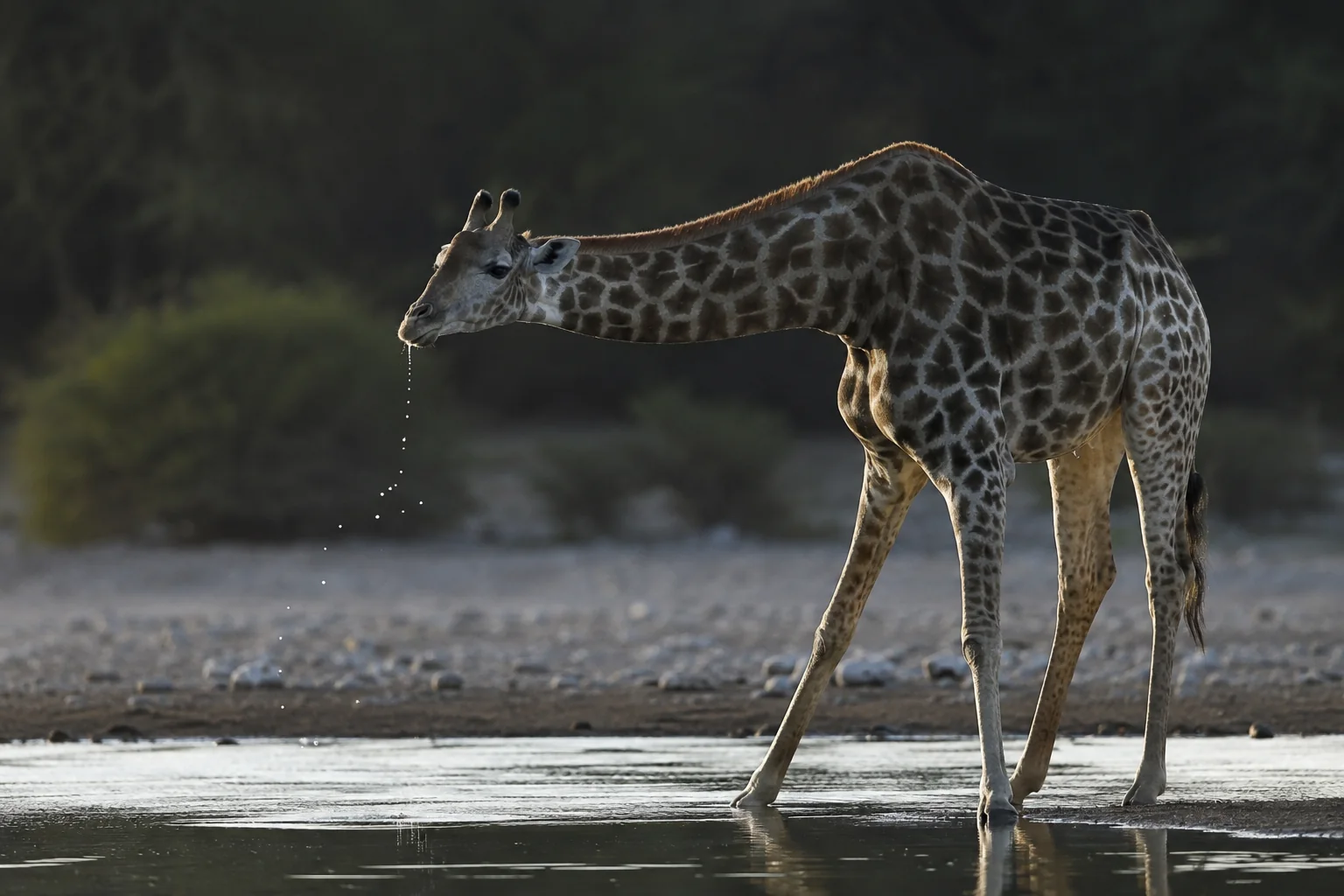
Waterhole cameras recorded 101 recognizable giraffes. Explaining who returned, and when, was essential to estimating how many remained unseen.
Scientific commentary
Repeated photographs revealed more giraffes than an earlier aerial count, but the new estimate answered a different question from population recovery.
Scientific commentary
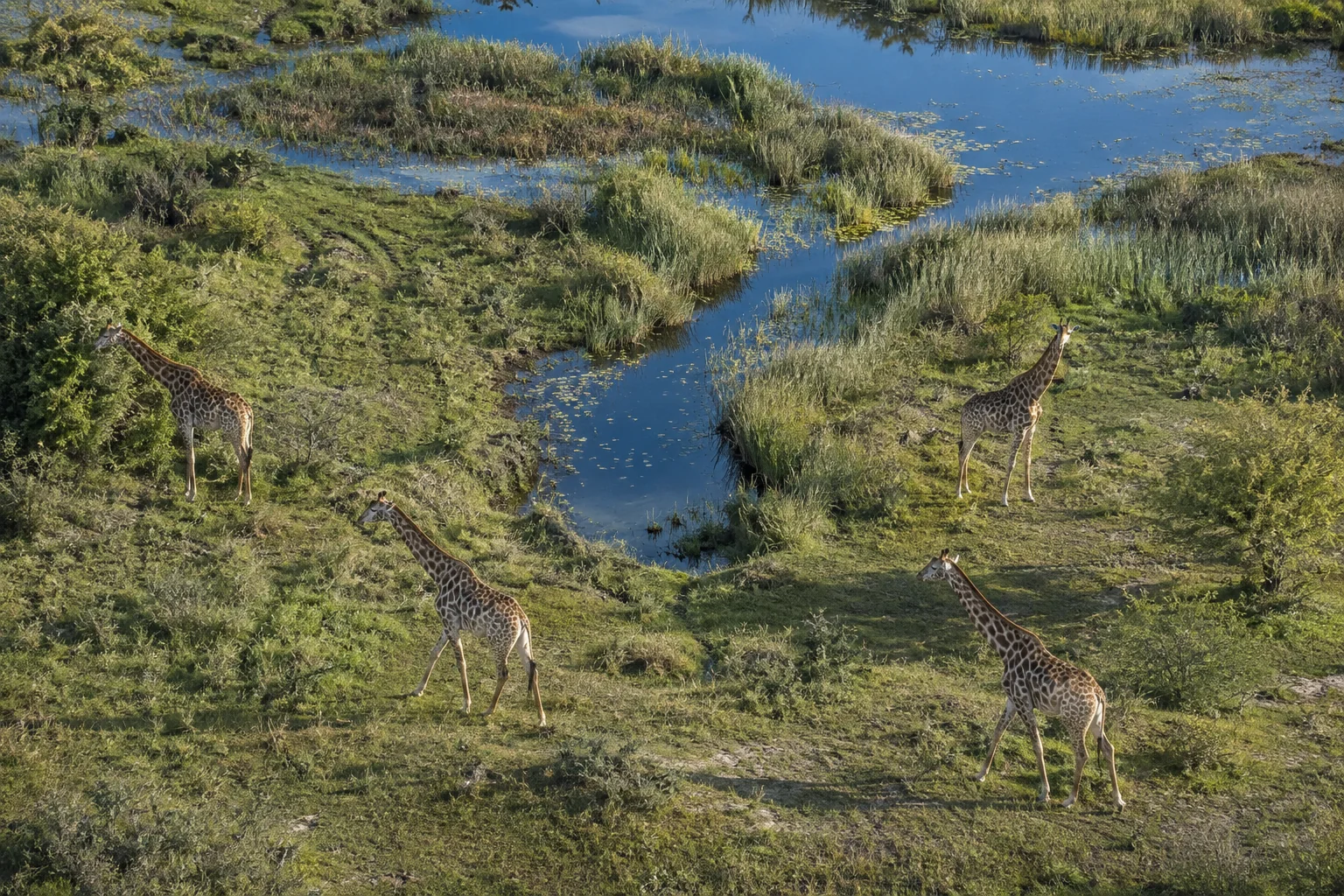
Thirty-one tracked giraffes helped map habitat across a much wider region, but a suitable-looking pixel was not proof of a safe place to live.
Scientific commentary
A fuller enclosure can look more socially suitable even when its floor area stays the same. That impression is a human response worth distinguishing from animal welfare.
Scientific commentary
Animals outside the advertised encounter can still share its food, crowds and movements. A mixed exhibit makes them part of the assessment.
Scientific commentary
A long observation period captured several upheavals in one enclosure—and responses that a single measure would have missed.
Scientific commentary
Two prototype interfaces tested the gap between making a device accessible and showing that an animal wants its output.
Scientific commentary
Watching many animals for long enough revealed both a shared concern and individual differences that a herd average could conceal.