Scientific commentary
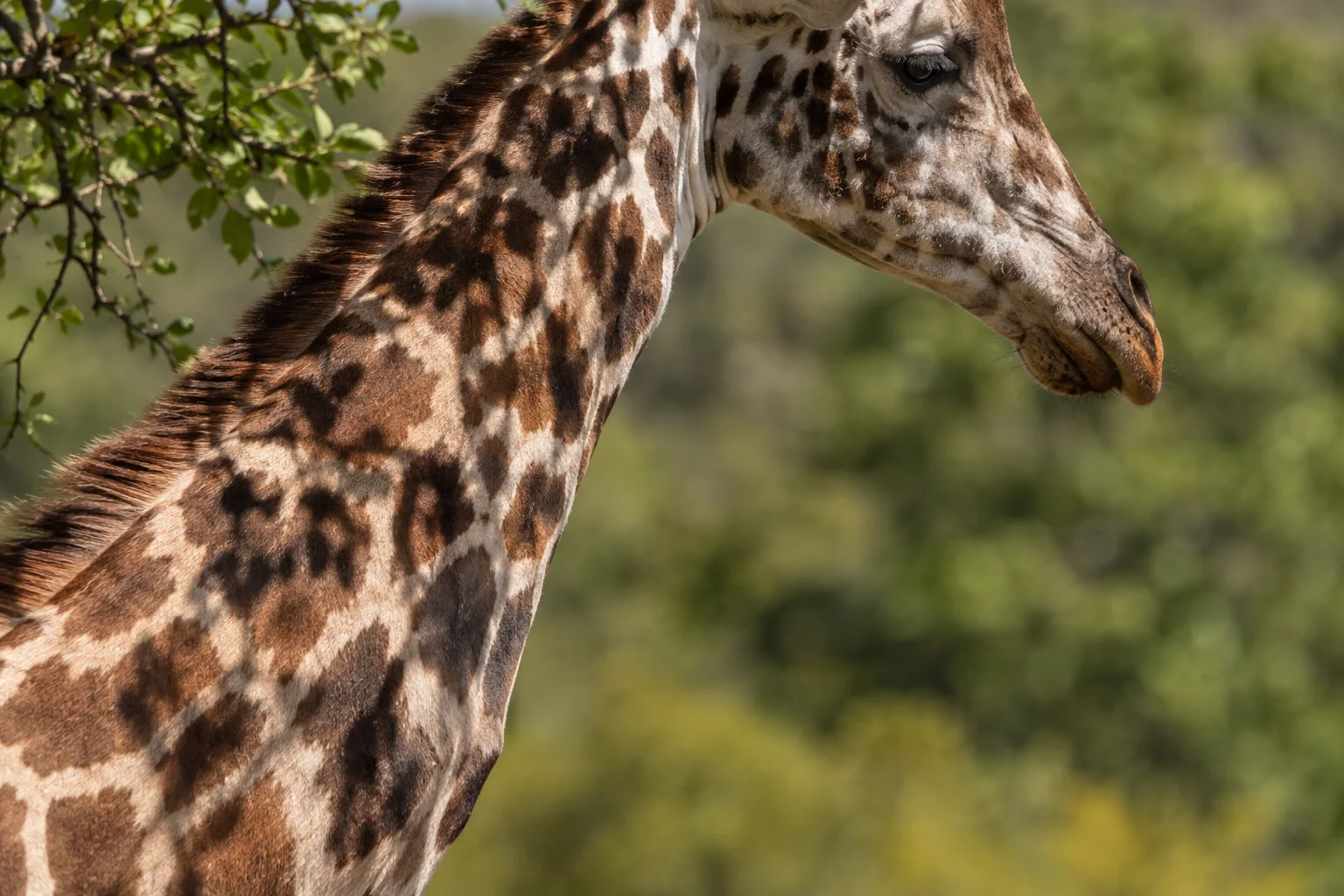
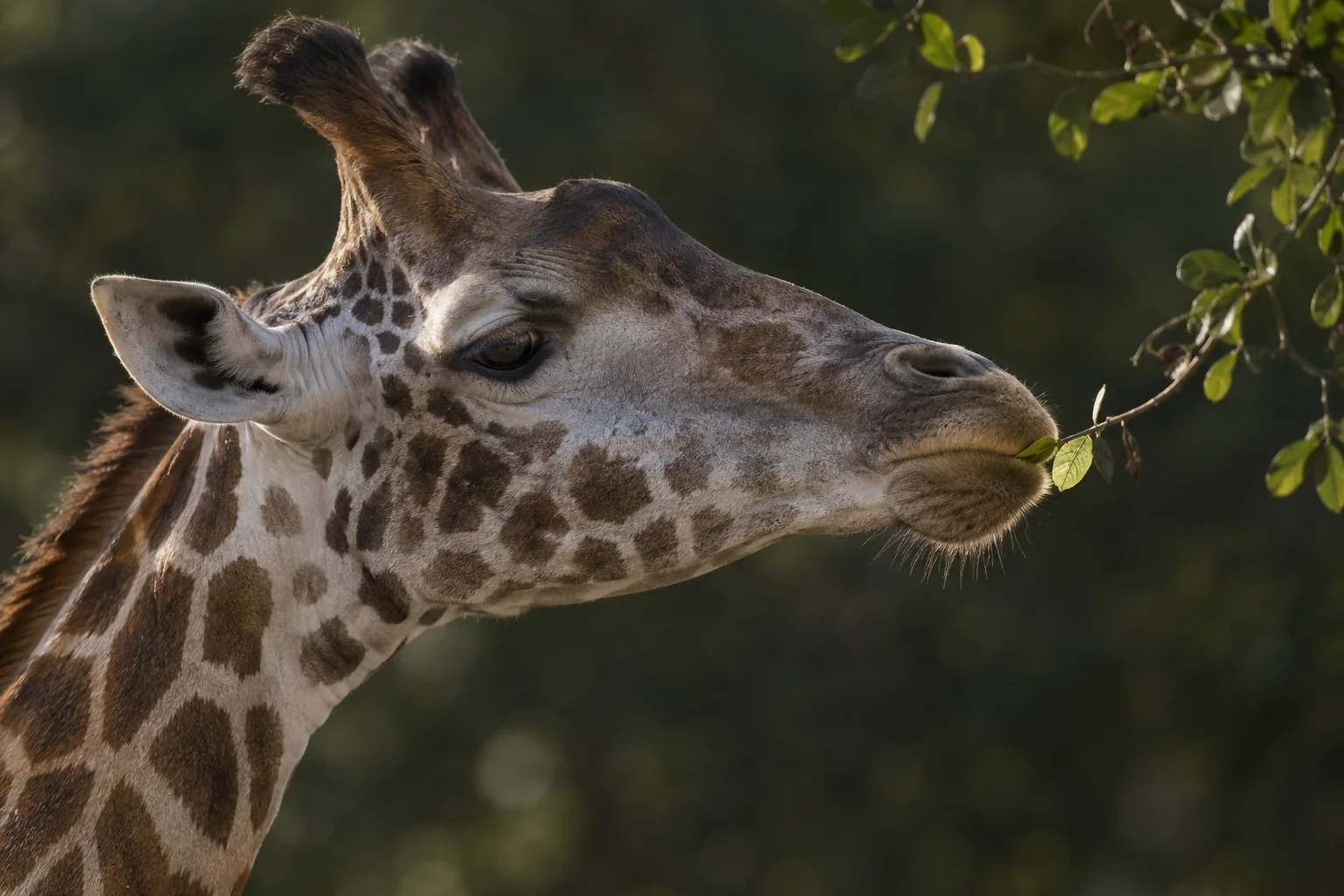
Nakuru’s Giraffes Changed Meals More Than Mealtimes
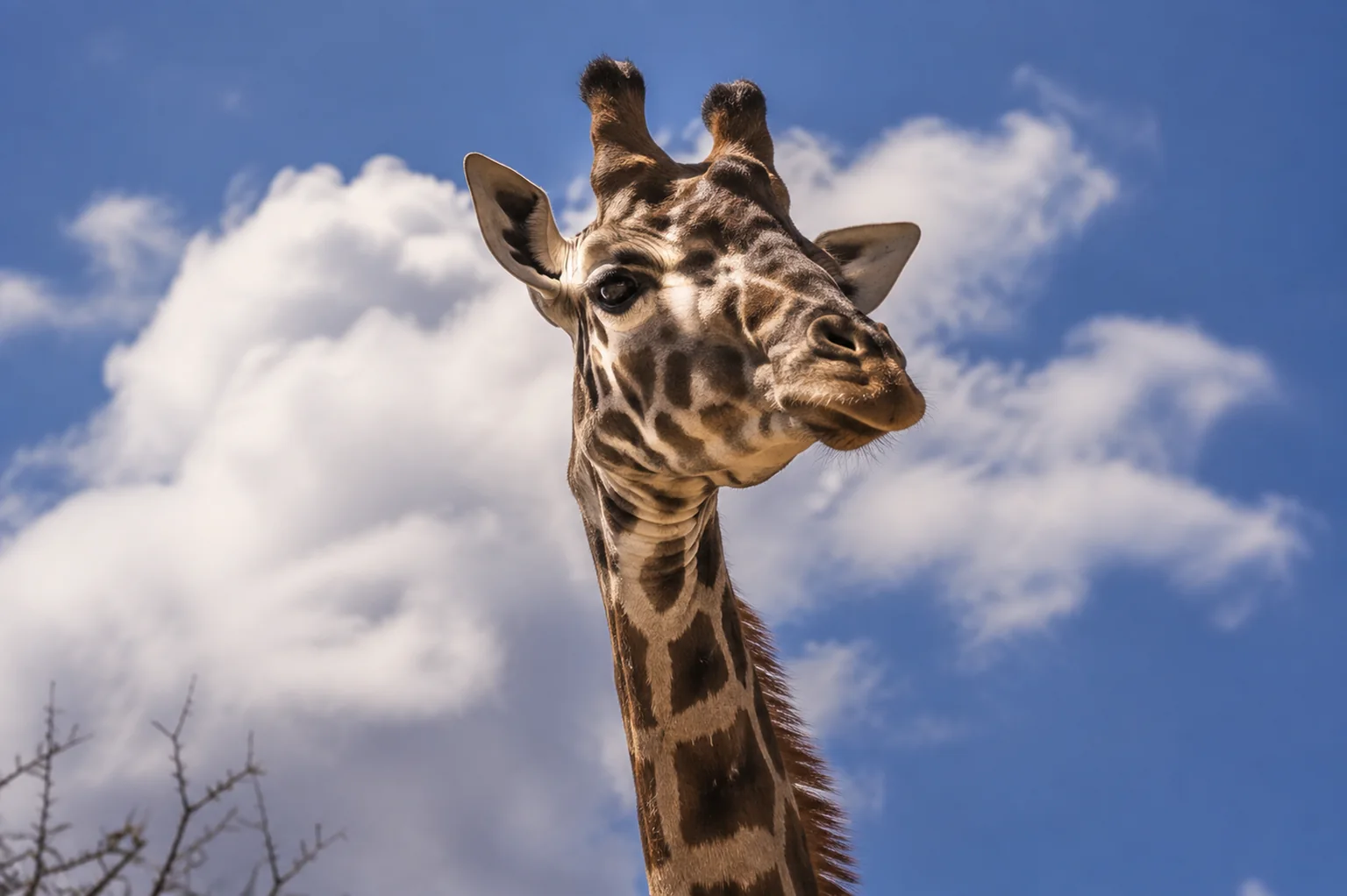
A feeding-day snapshot can look similar while the plants in a giraffe’s mouth change. Lake Nakuru observations separate those two stories.

The questions, fieldwork and discoveries behind giraffe science. Each story explains an original study, what it found and what remains uncertain.
10–18 of 179 stories
Scientific commentary
A feeding-day snapshot can look similar while the plants in a giraffe’s mouth change. Lake Nakuru observations separate those two stories.
Scientific commentary
Reaching a canopy with the neck alone would leave the heart farther below the head. A model puts an energy cost on that difference.
Scientific commentary
A low overall proportion of visible injuries concealed a stronger spatial pattern—and left the fate of animals never seen unanswered.
Scientific commentary
Repeated DNA can survive long after it stops making copies. Researchers compared individuals to distinguish an ancient accumulation from continuing activity.
Scientific commentary
Putting longer stretches of okapi DNA together made a surprising comparison possible: chromosome layout can change faster in one lineage than in its relatives.
Scientific commentary
The new bone supplied a missing part of a fossil animal known for decades, while leaving its exact skull position unresolved.
Scientific commentary
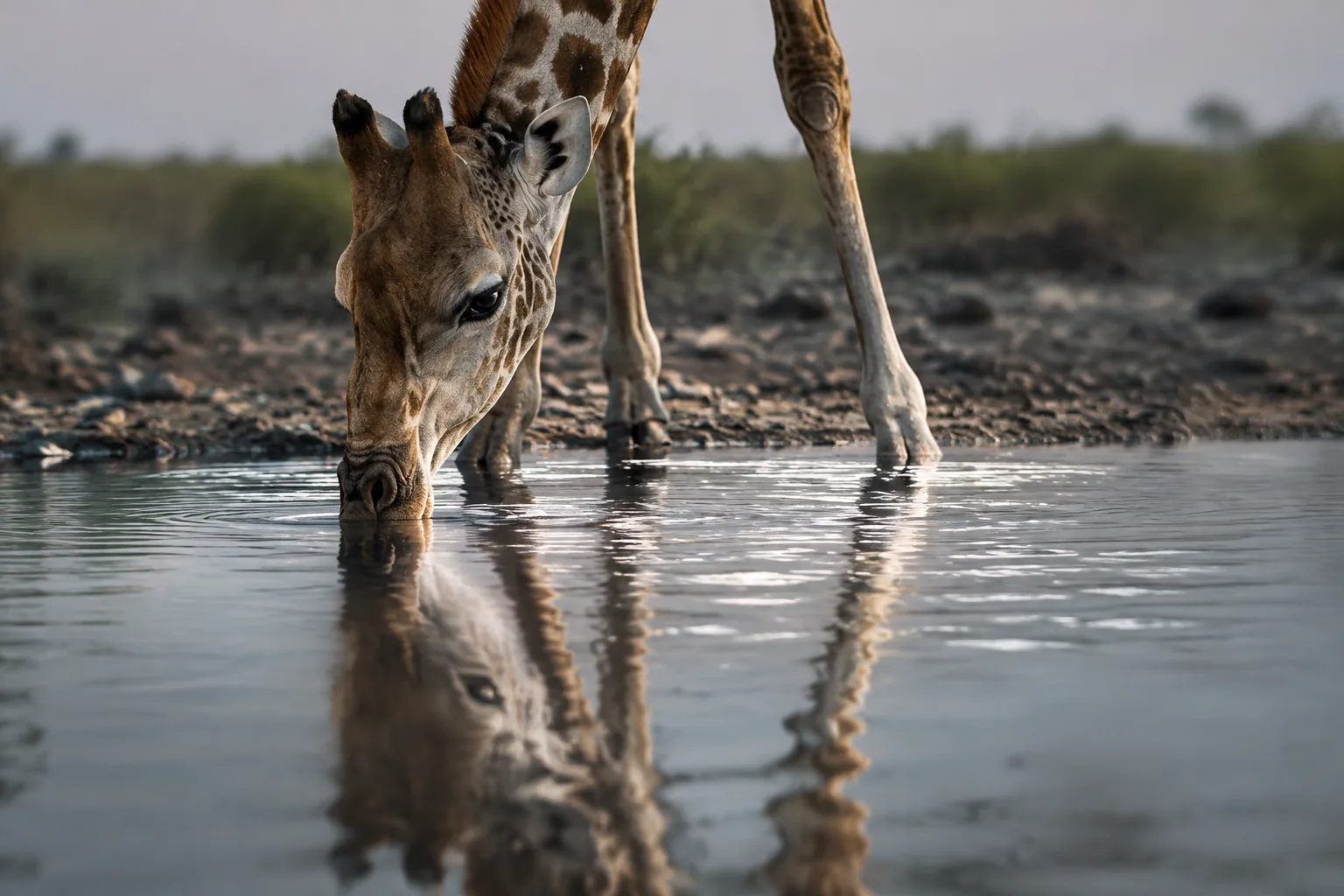
Lowering the head can leave blood collecting in neck veins. Recordings during real drinks suggest the muscles moving water down the neck may also help blood return.
Scientific commentary
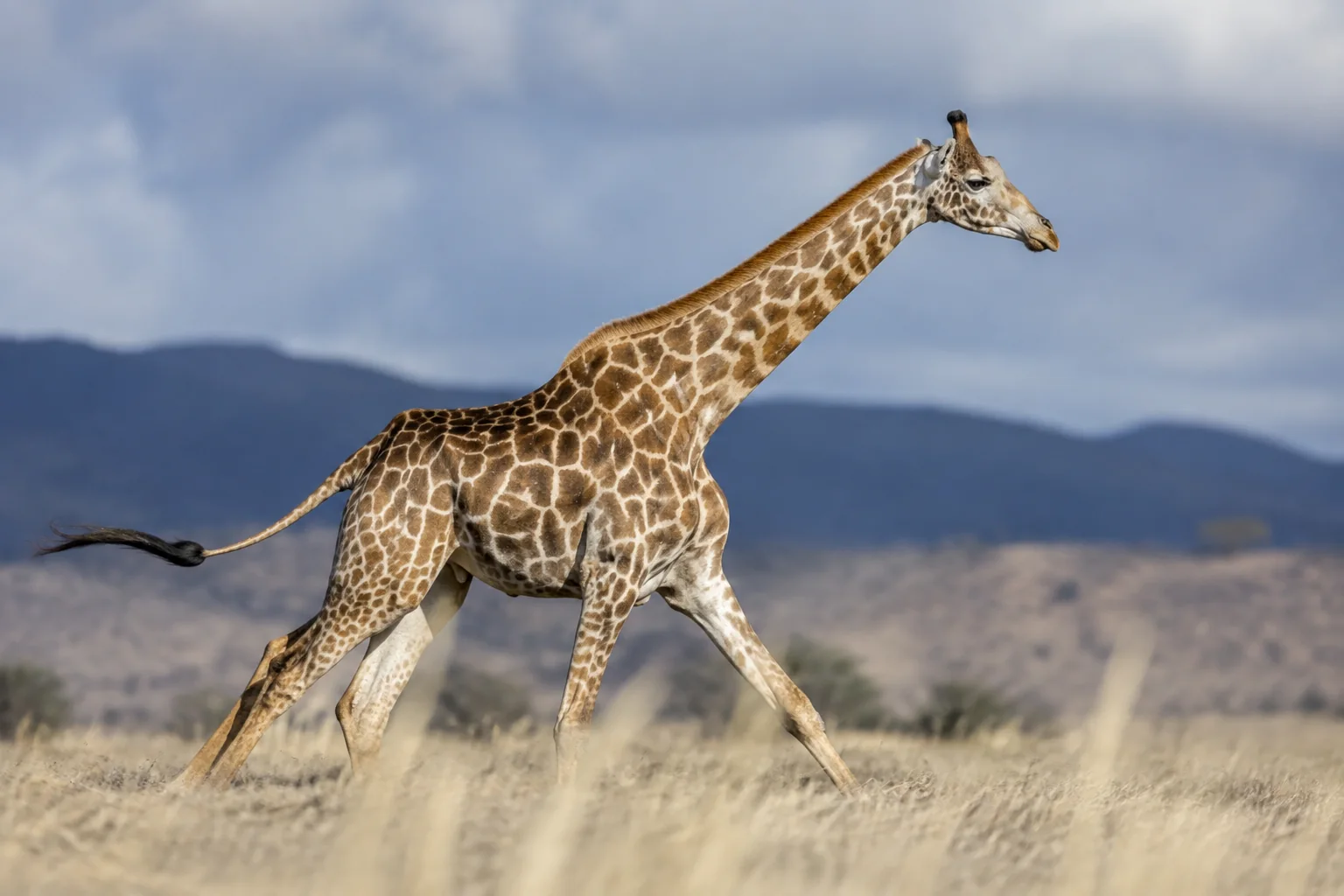
A visible wound is one observation. What happens when the animal takes its next step is another.
Scientific commentary
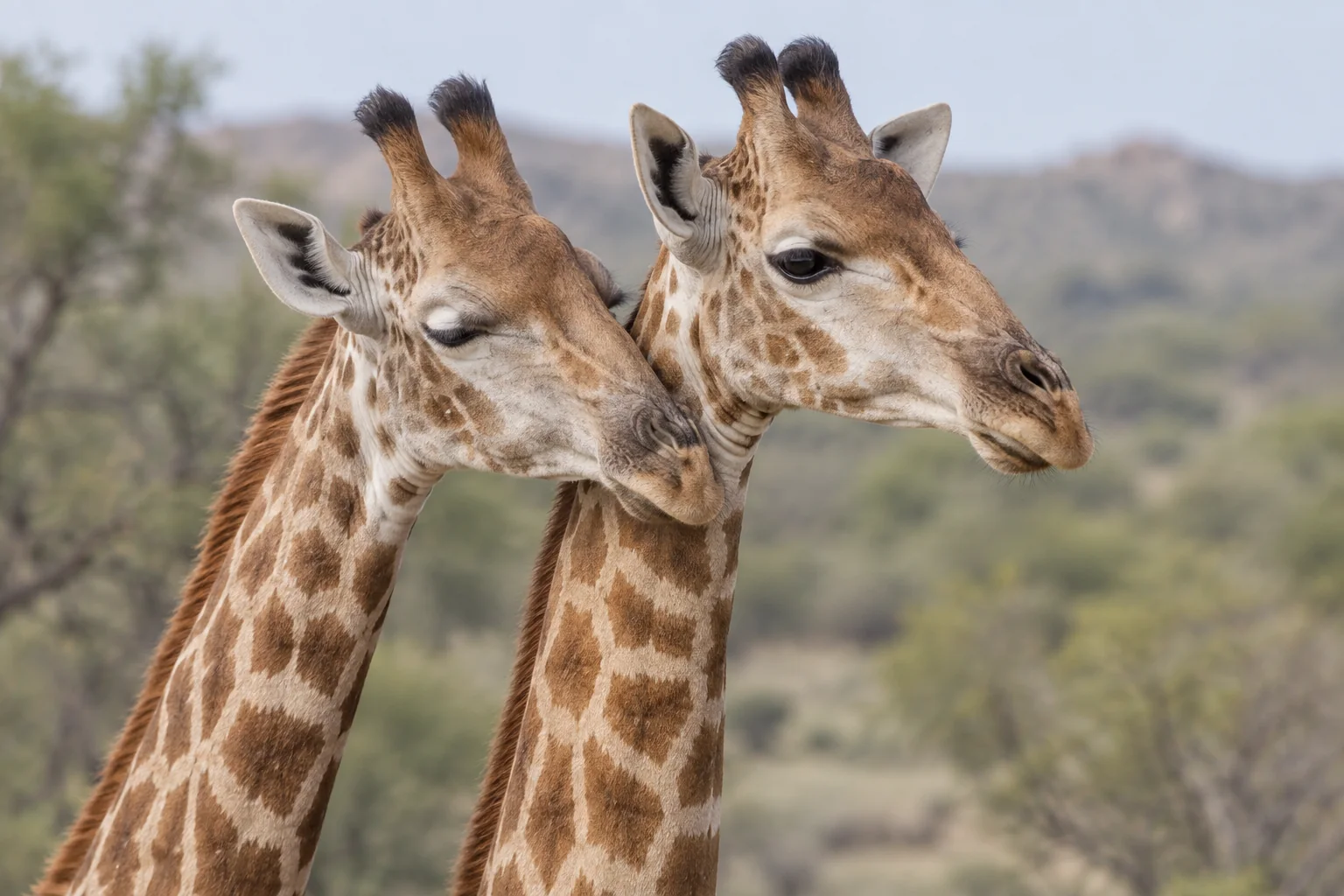
Female giraffes do not need to stay in one fixed herd to have a social life. Five years of sightings linked survival most clearly to how much female company they kept.