Scientific commentary
Living With Giraffes in Eastern Kenya: Welcome and Costs
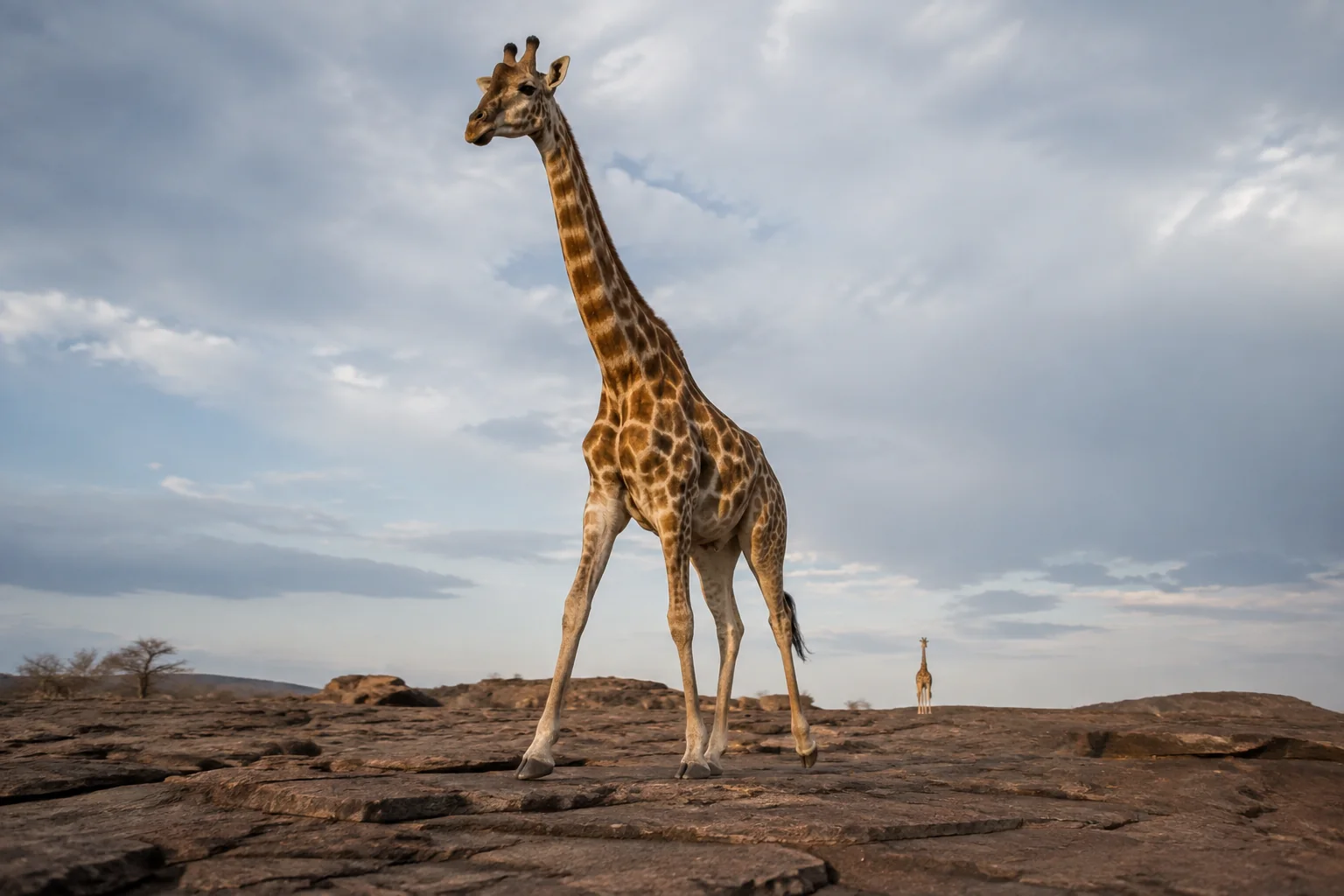
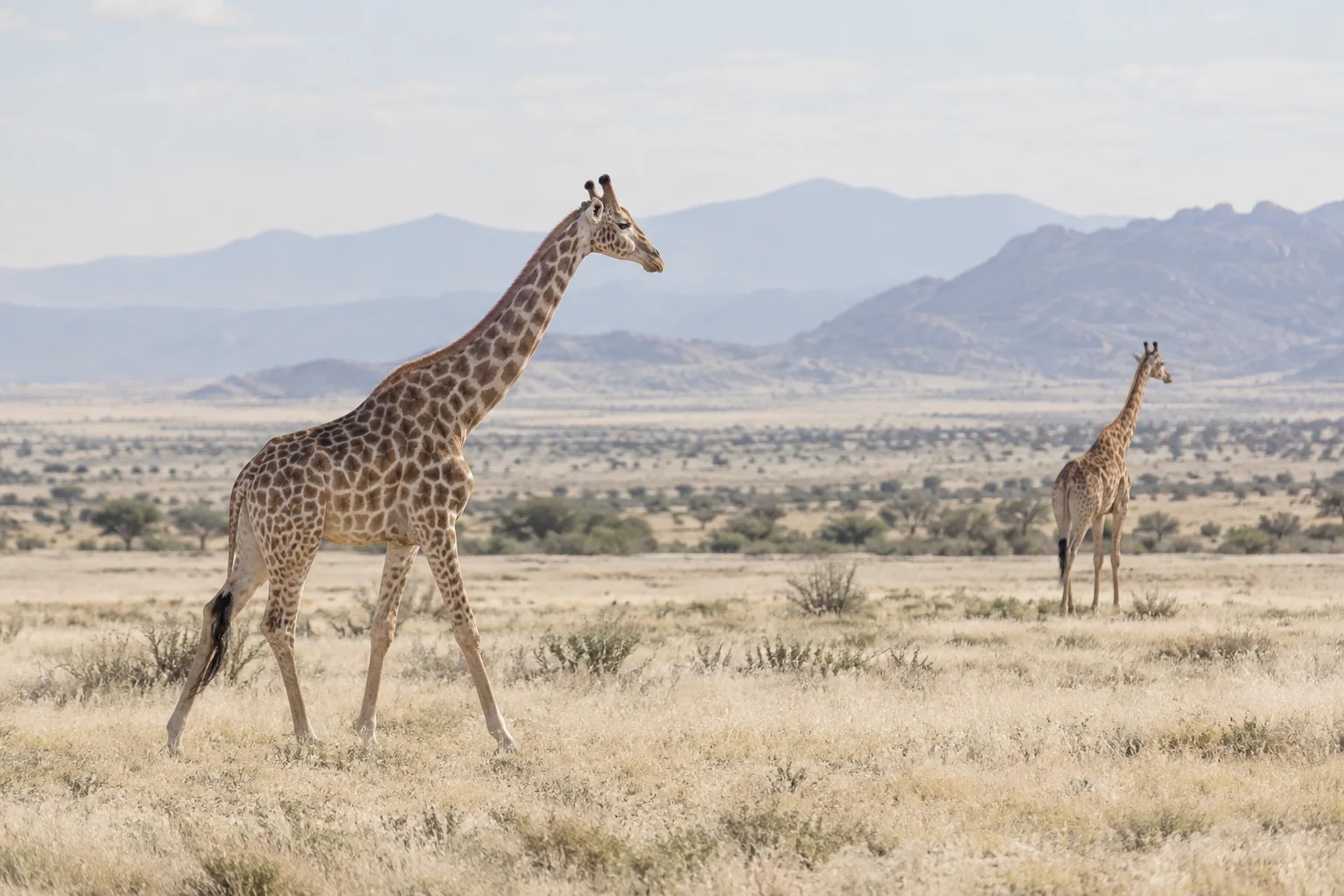
Residents expressed similar interest in giraffes on their own and neighbouring land. Reports of repeated damage show why that welcome still needs practical support.

The questions, fieldwork and discoveries behind giraffe science. Each story explains an original study, what it found and what remains uncertain.
19–27 of 179 stories
Scientific commentary
Residents expressed similar interest in giraffes on their own and neighbouring land. Reports of repeated damage show why that welcome still needs practical support.
Scientific commentary
A nearly complete fossil neck let researchers compare positions along the spine instead of treating one bone as the whole story.
Scientific commentary
Beneath a giraffe’s hoof, several structures share the work of supporting each step. A study after death reveals how damage can involve them together.
Scientific commentary
A study across eighteen zoos separated different ways of feeding—and found that they had different relationships with repetitive tongue movements and licking.
Scientific commentary
Studies inside parks suggested adult giraffe survival varied little. Sampling a wider management landscape exposed a different pattern.
Scientific commentary
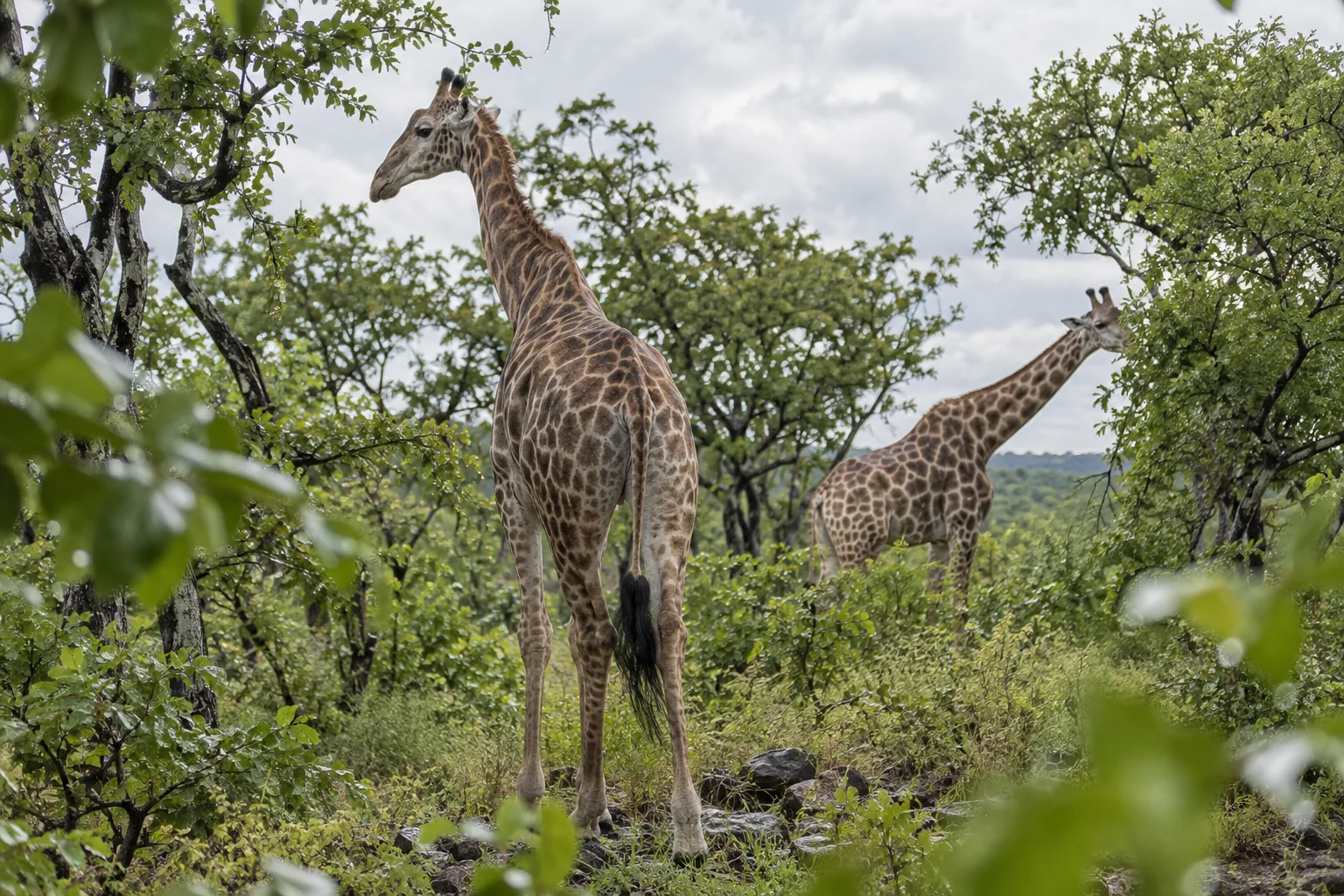
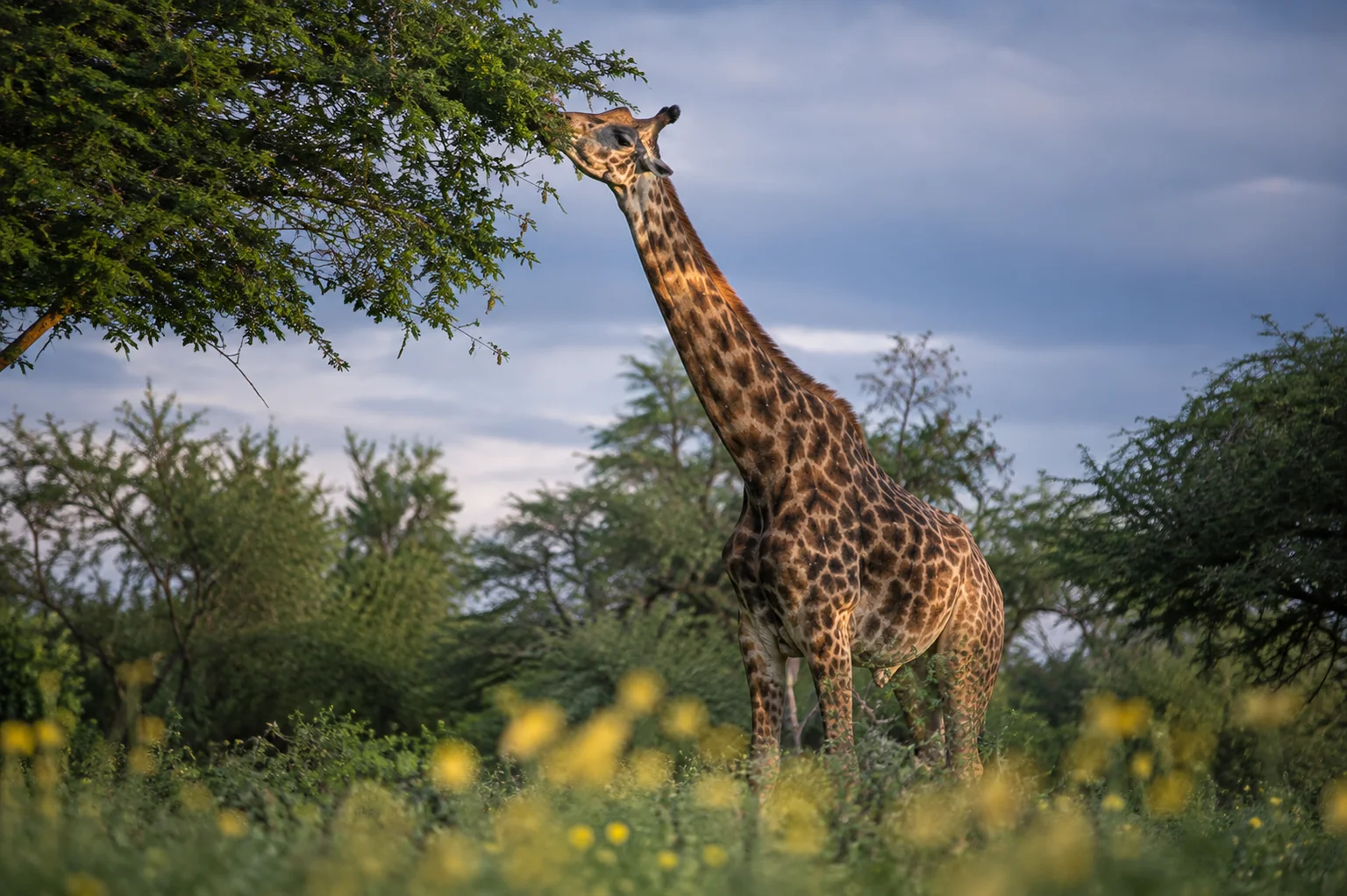
Sweet thorn fed giraffes through much of the observed year. Winter brought a different leading food plant and a wider pattern of sightings.
Scientific commentary
The first births arrived about three years after release. Following the founders long enough turned an apparently quiet start into evidence of establishment.
Scientific commentary
An expanding photo archive created extra giraffes on paper. Correcting those records produced a smaller, more defensible population estimate and preserved the evidence of growth.
Scientific commentary
A hidden loudspeaker let researchers test the disturbance created by a sound, even when no vehicle or aircraft appeared.