Scientific commentary
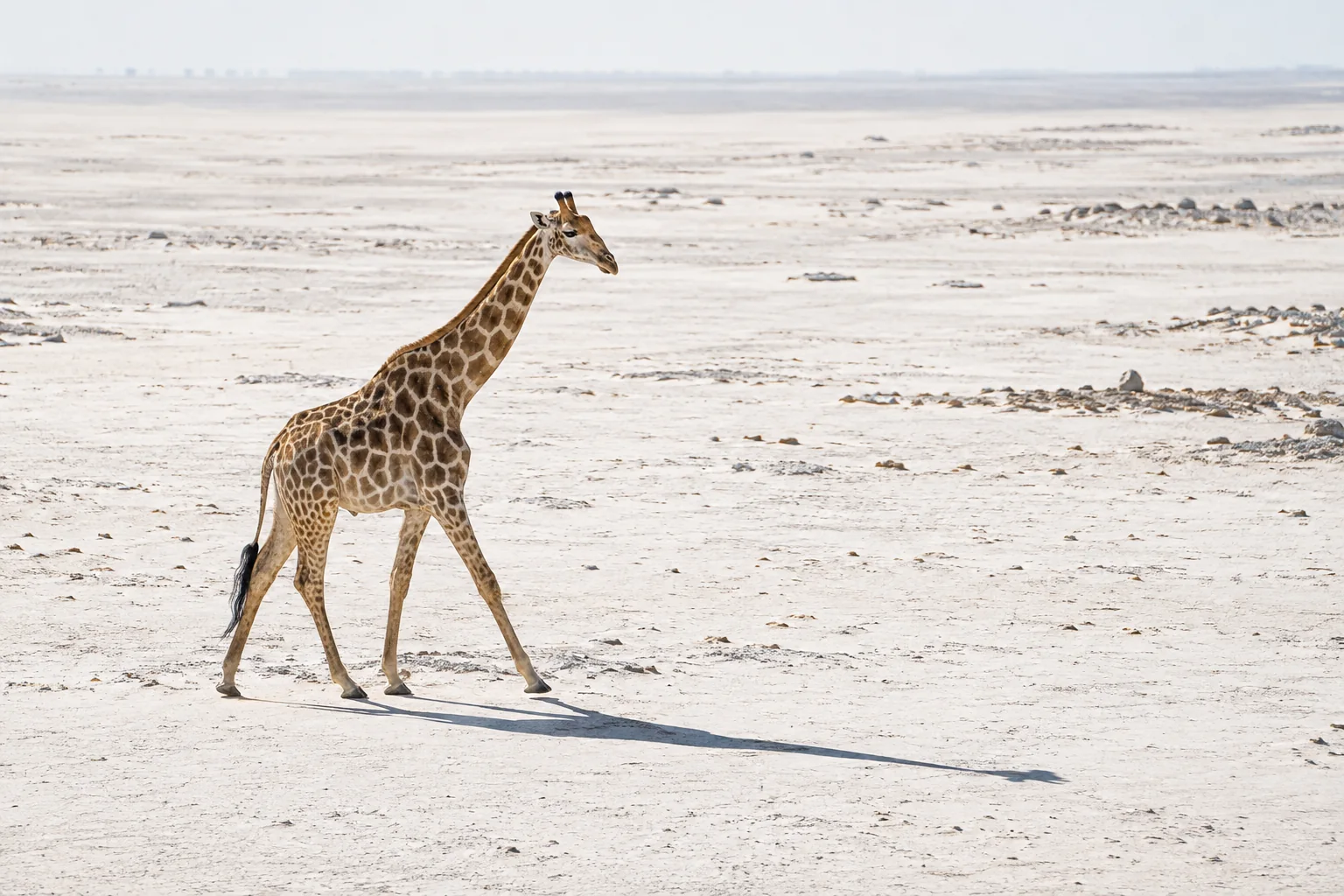
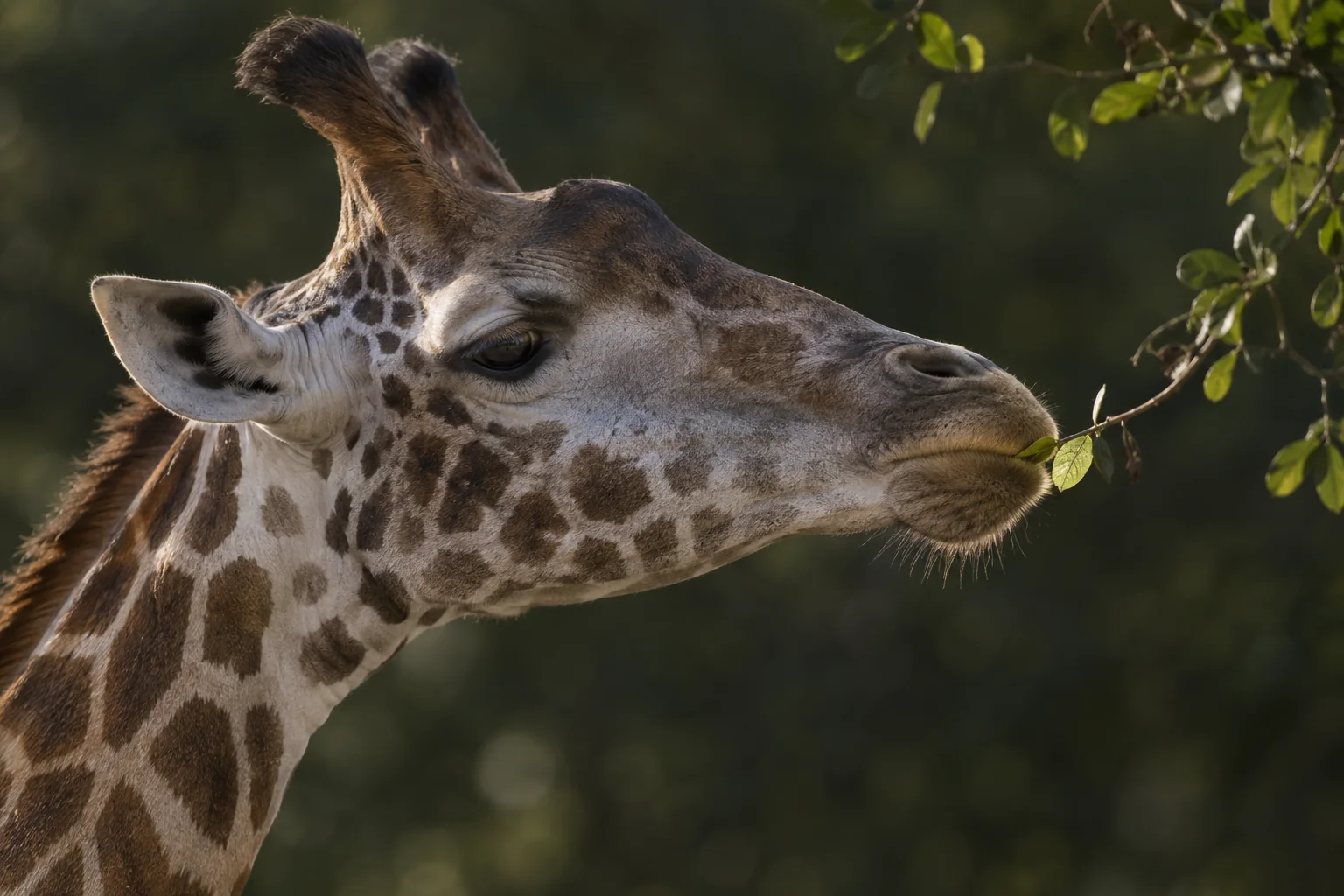
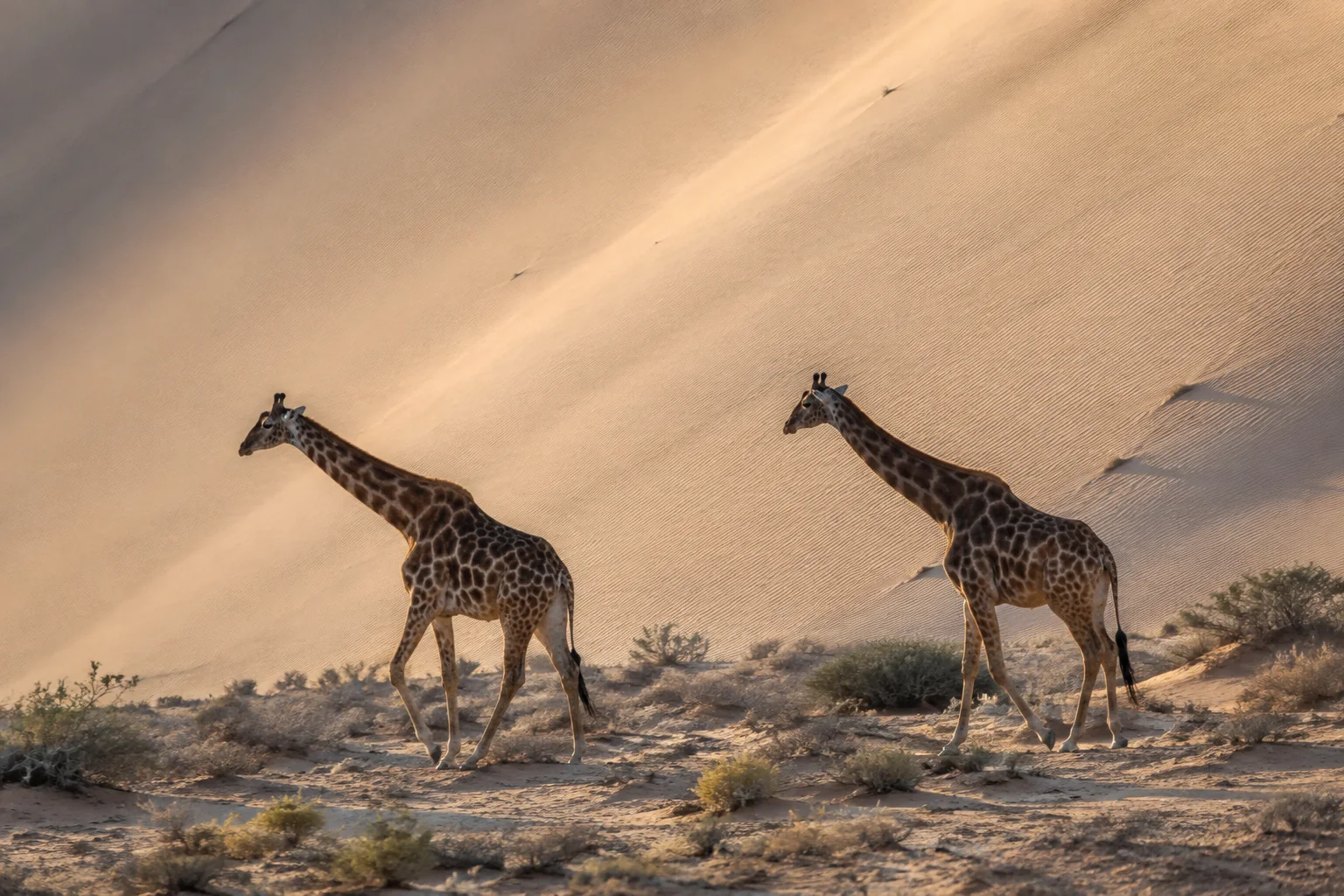
Thirteen Desert Giraffes Depended on Scattered Food
Camelthorn supplied more than half the feeding records. Protecting the trees and the routes between them matters more than a reserve’s size alone.
The questions, fieldwork and discoveries behind giraffe science. Each story explains an original study, what it found and what remains uncertain.
37–45 of 179 stories
Scientific commentary
Camelthorn supplied more than half the feeding records. Protecting the trees and the routes between them matters more than a reserve’s size alone.
Scientific commentary
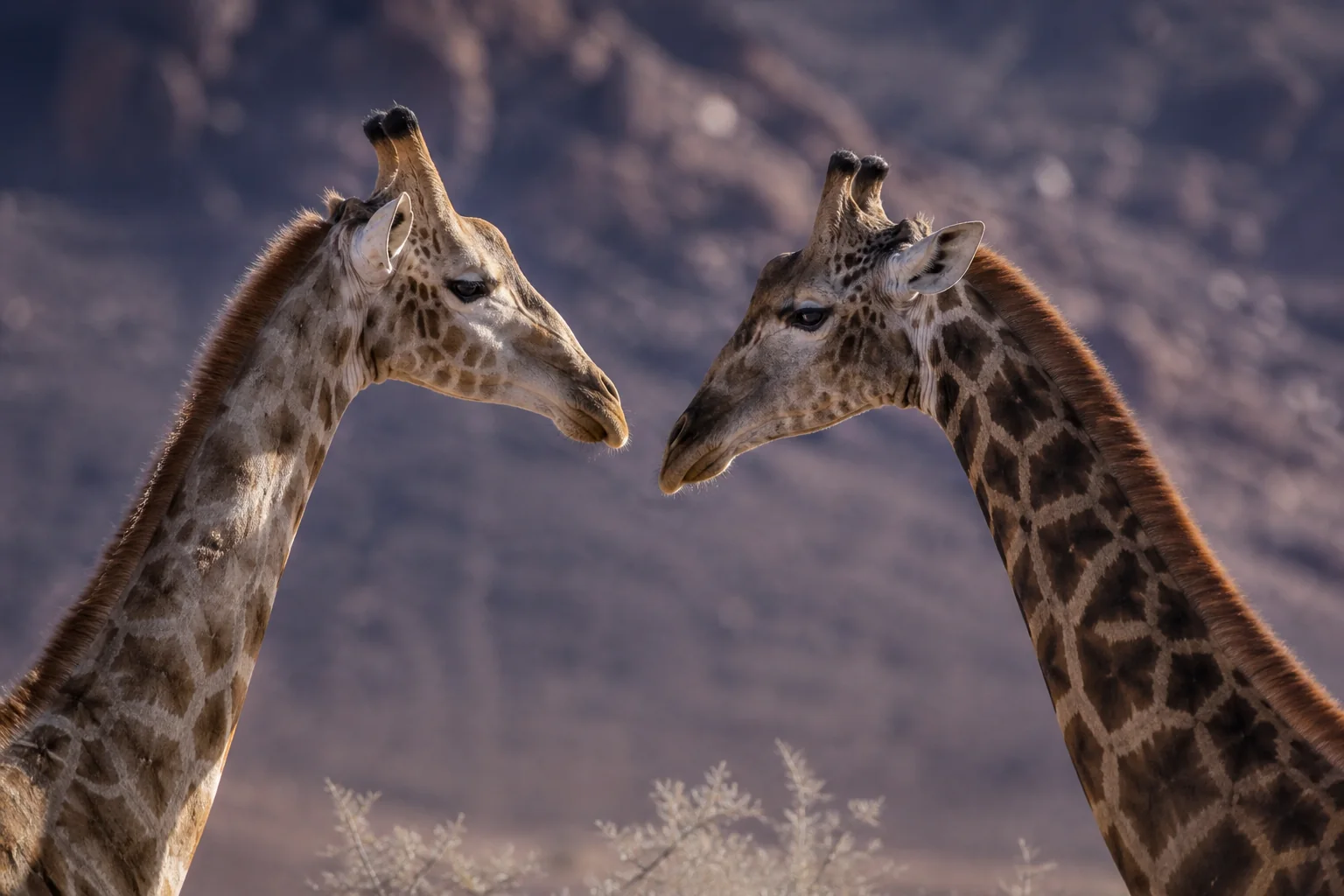
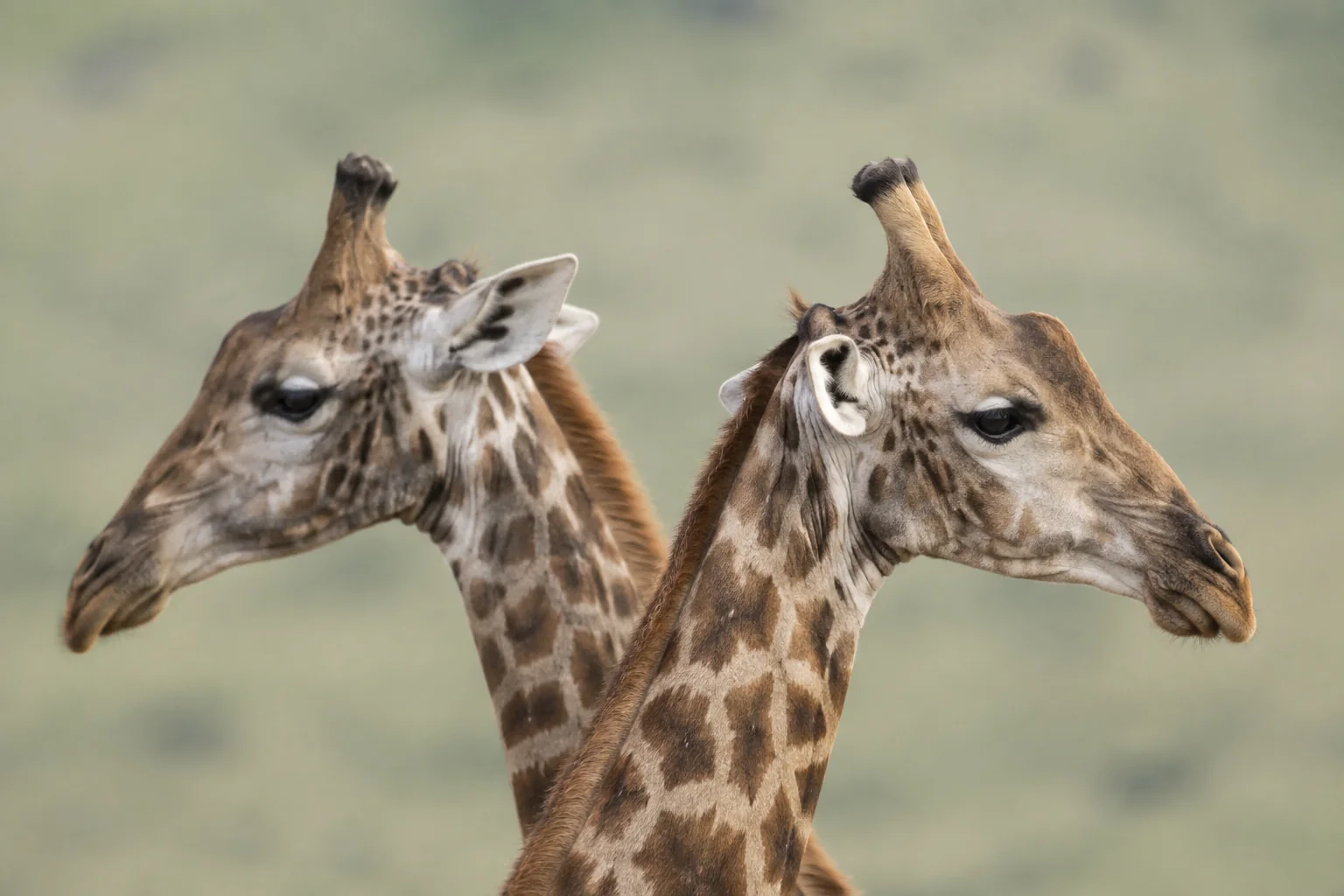
Same-sided partners faced opposite ways; partners with different preferences faced the same way. Two individual habits explained a striking posture.
Scientific commentary
A hierarchy can be visible in the animal that steps aside, even when dramatic fights are rare.
Scientific commentary
Closing a lid removed the visible reward. Extending the wait then separated remembering its location from simply following the last movement.
Scientific commentary
Laser scans made the trunk’s outline measurable. A broad belly and a large trunk volume turned out to describe different aspects of the same animal.
Scientific commentary
A comparison of close relatives found a small predicted change in the light absorbed by a giraffe pigment—and a separate clue in the okapi’s cornea.
Scientific commentary
Adult males are larger, yet females have longer necks relative to their forelegs. Known-age photographs show how those different proportions develop.
Scientific commentary
Ancestry, genetic diversity and recent family history leave different signals in DNA. One number cannot describe all three.
Scientific commentary
In two Tanzanian parks, counting mouthfuls challenged the assumption that visible spines always mean slower feeding.