Scientific commentary
An Anthrax Outbreak Took a Quarter of Mwea’s Giraffes
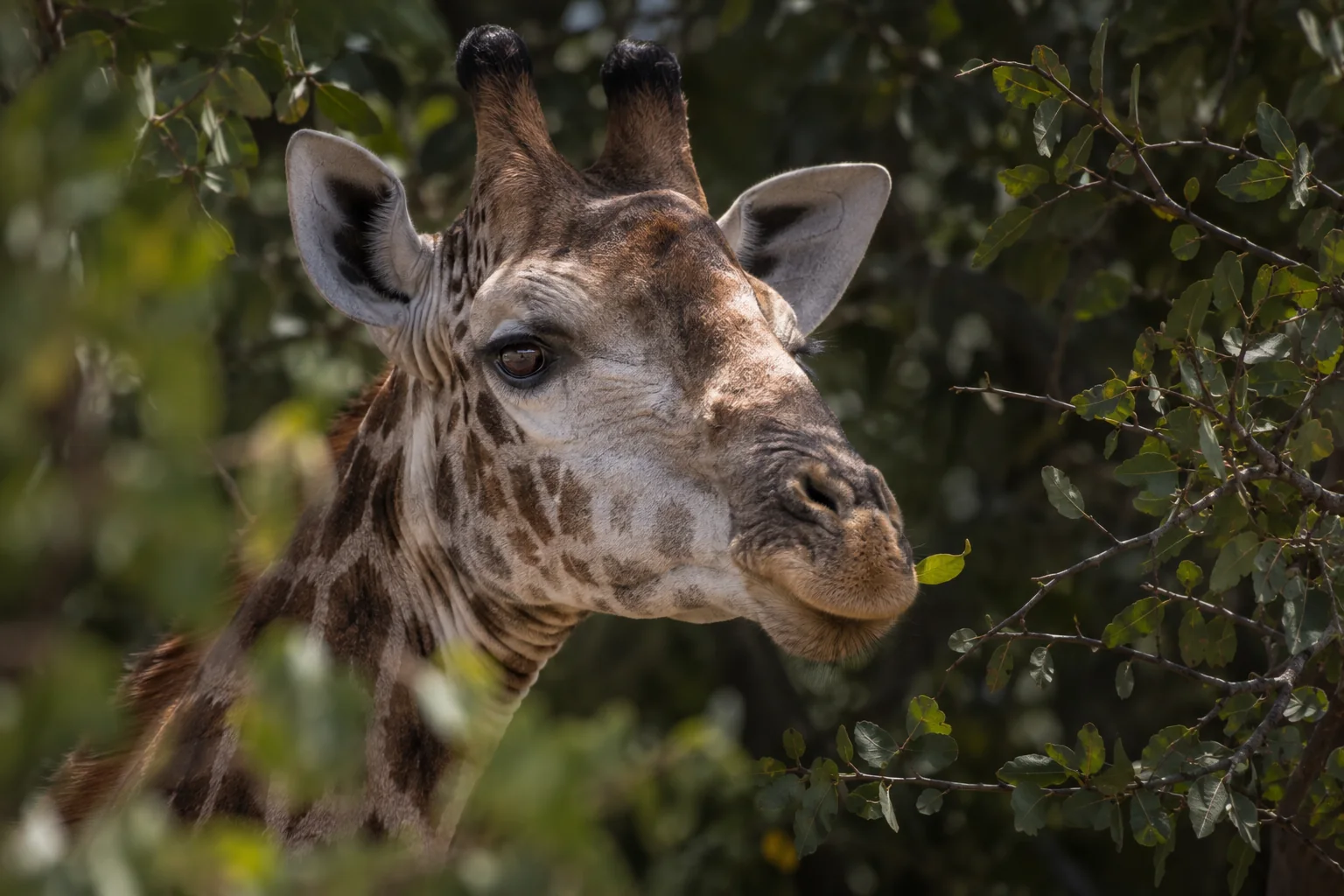
The account of a wildlife emergency shows how much a small population can lose, and why the period after an intervention needs to be recorded.

The questions, fieldwork and discoveries behind giraffe science. Each story explains an original study, what it found and what remains uncertain.
136–144 of 179 stories
Scientific commentary
The account of a wildlife emergency shows how much a small population can lose, and why the period after an intervention needs to be recorded.
Scientific commentary
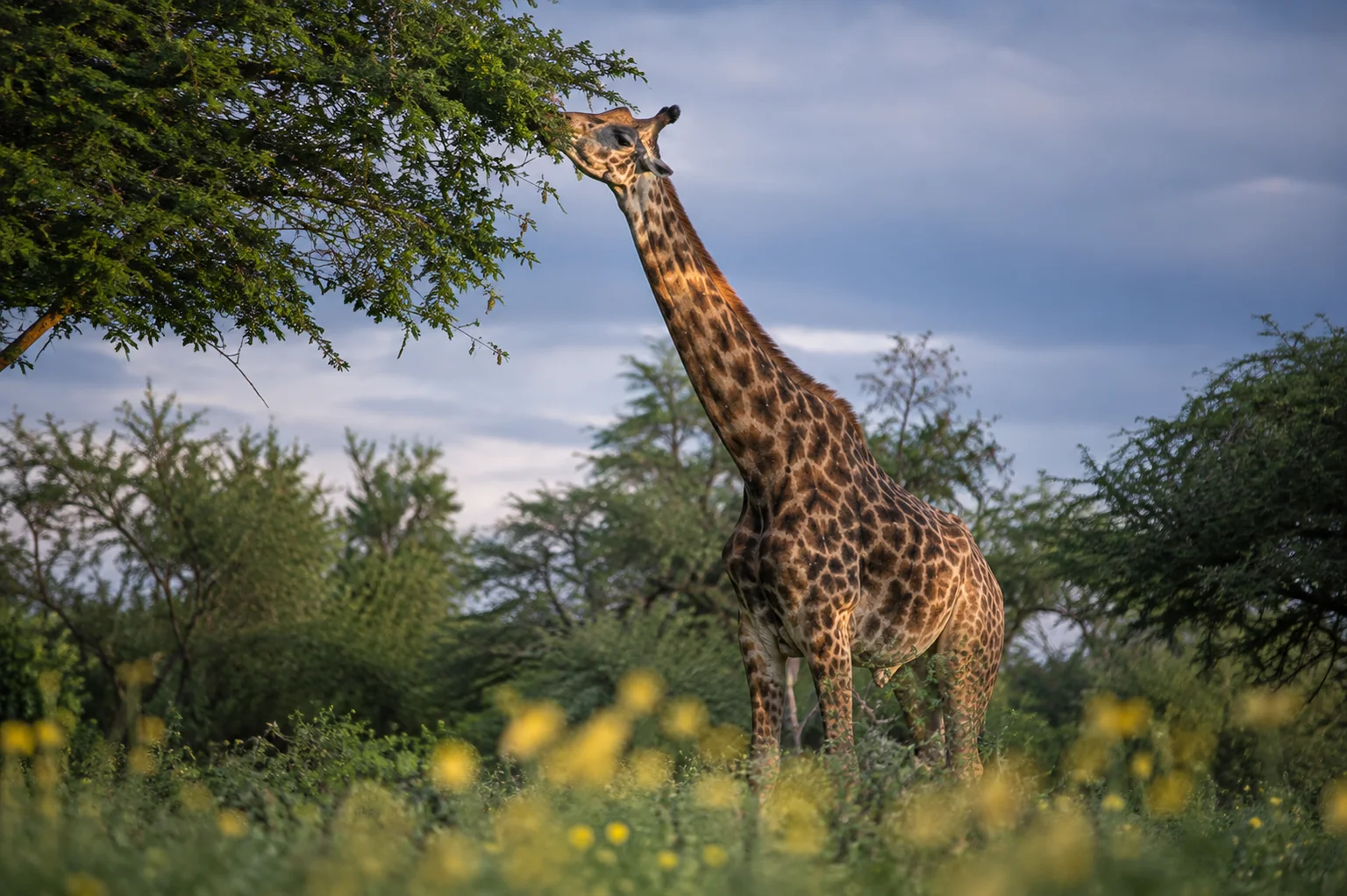
Bush clearing can help grass-eaters while removing a meal for browsers. Observations in Tanzania reveal the plant behind that trade-off.
Scientific commentary
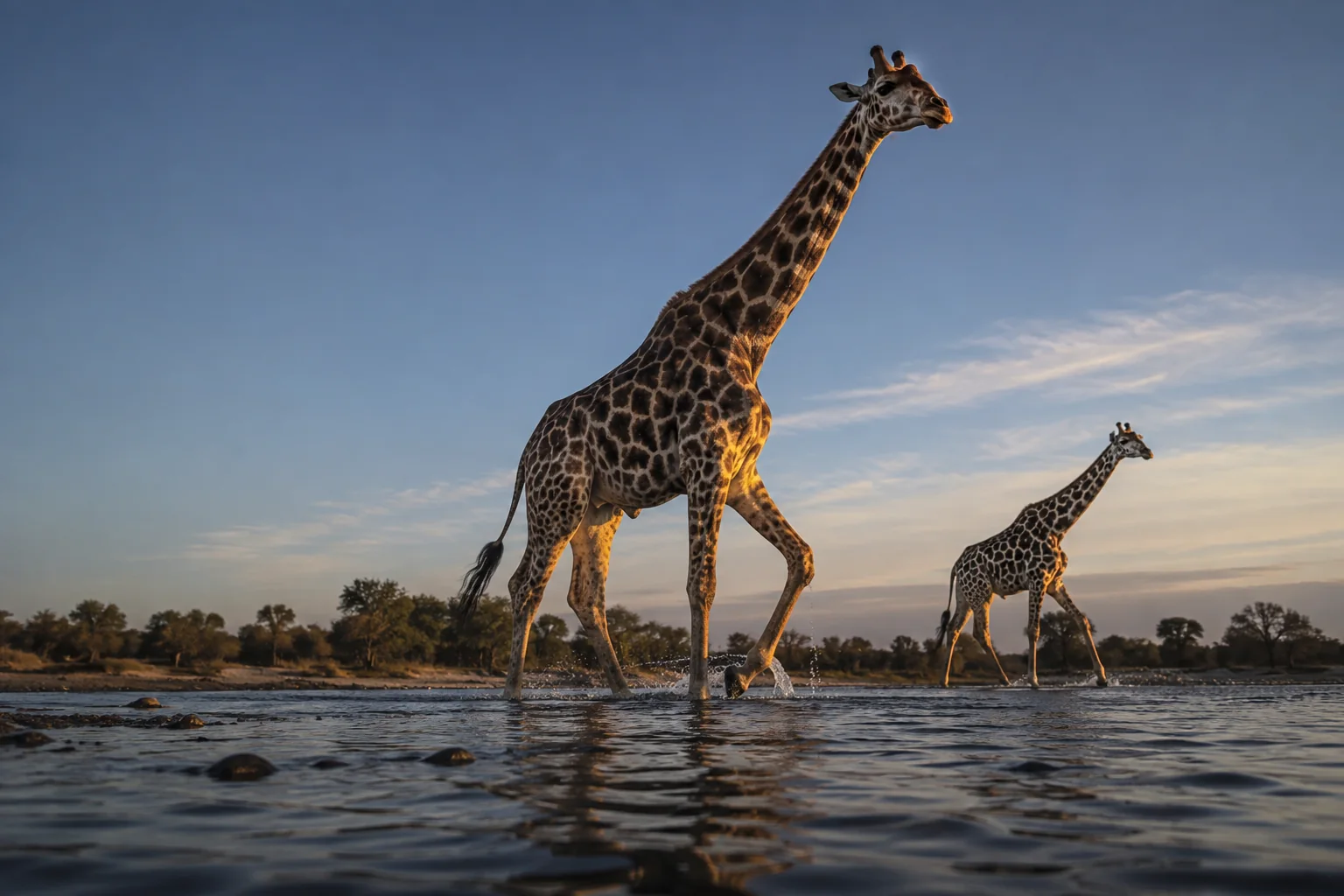
Along Kenya’s River Tana, access to water connects invaded corridors, working farms and a trial of supplementary food and water.
Scientific commentary
Pollen on a giraffe’s face looks suggestive. Following flowers through to pods gives a stronger test of what the tree gains or loses.
Scientific commentary
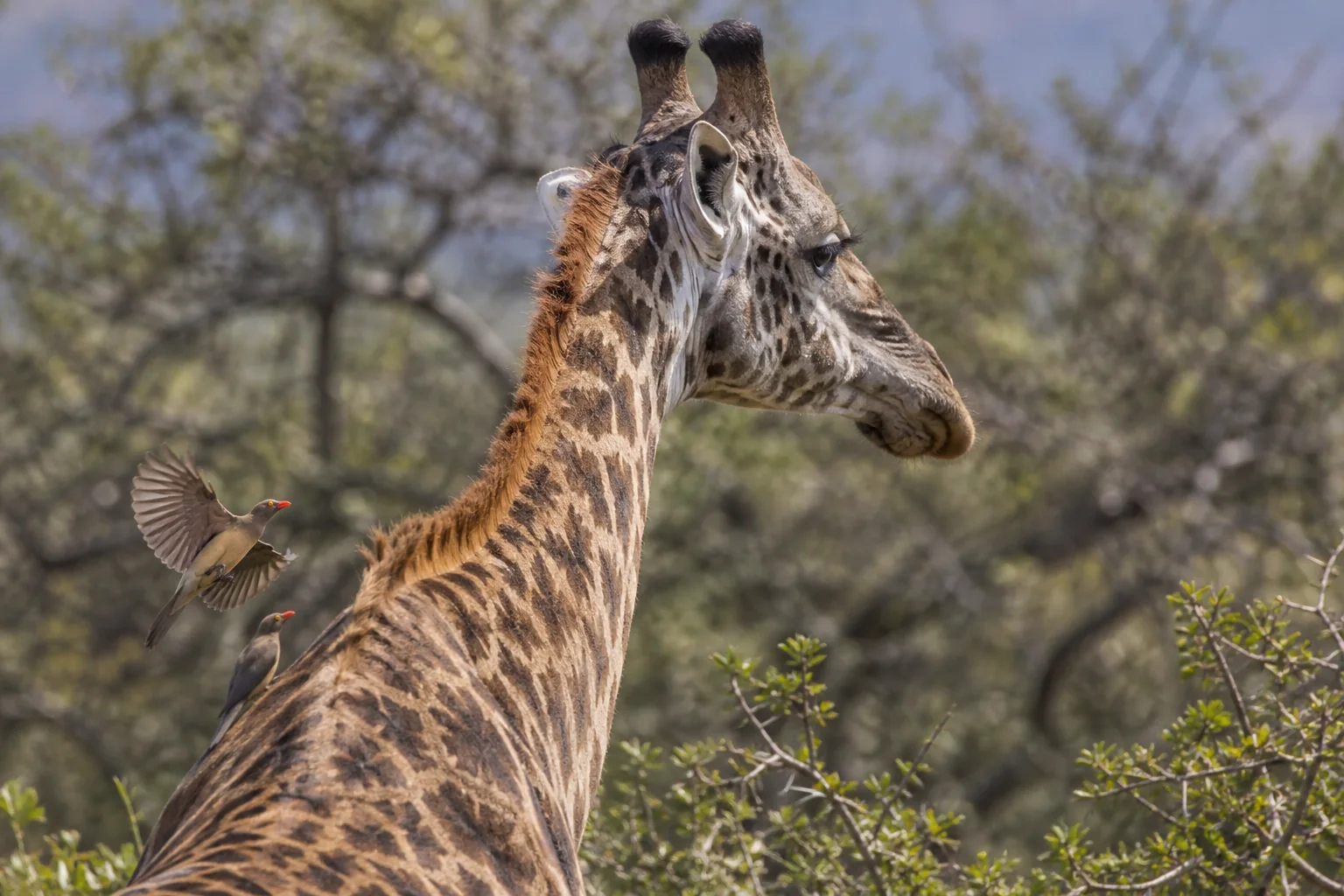
Camera traps caught birds tucked beneath giraffes after dark, extending a familiar daytime association into an overlooked part of the night.
Scientific commentary
To investigate a sensitive threat to giraffes, researchers needed answers that did not require each respondent to disclose a prohibited behaviour.
Scientific commentary
Understanding where giraffe parts go requires separating local use, commercial markets and international trade—and asking what each source can actually reveal.
Scientific commentary
Neighbouring savannas can offer fresh leaves in different months. That seasonal mismatch may help explain why mobile giraffes remain genetically distinct.
Scientific commentary
A taller neighbour may provide information about danger without sounding an alarm. Researchers followed where zebras looked to investigate that possibility.