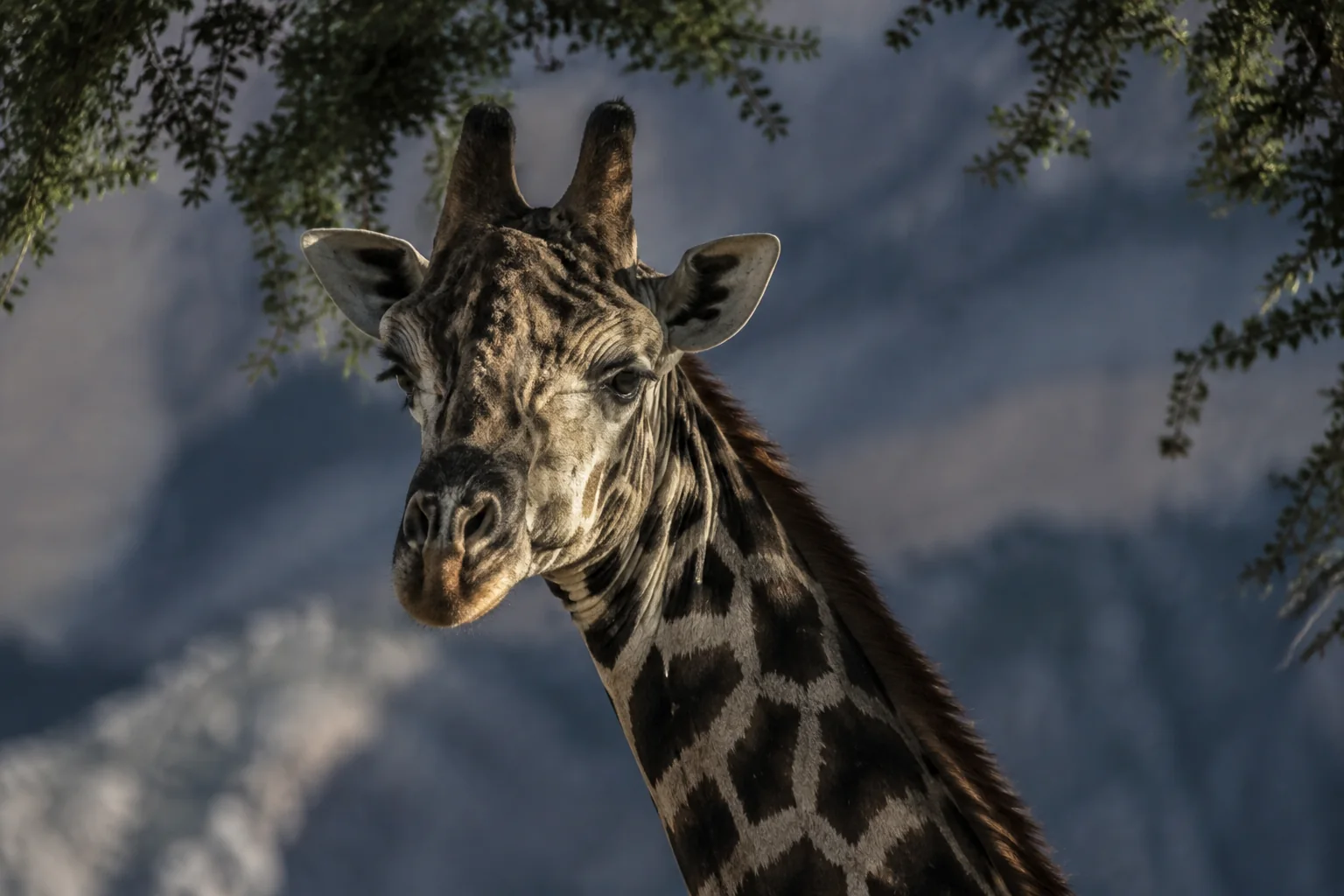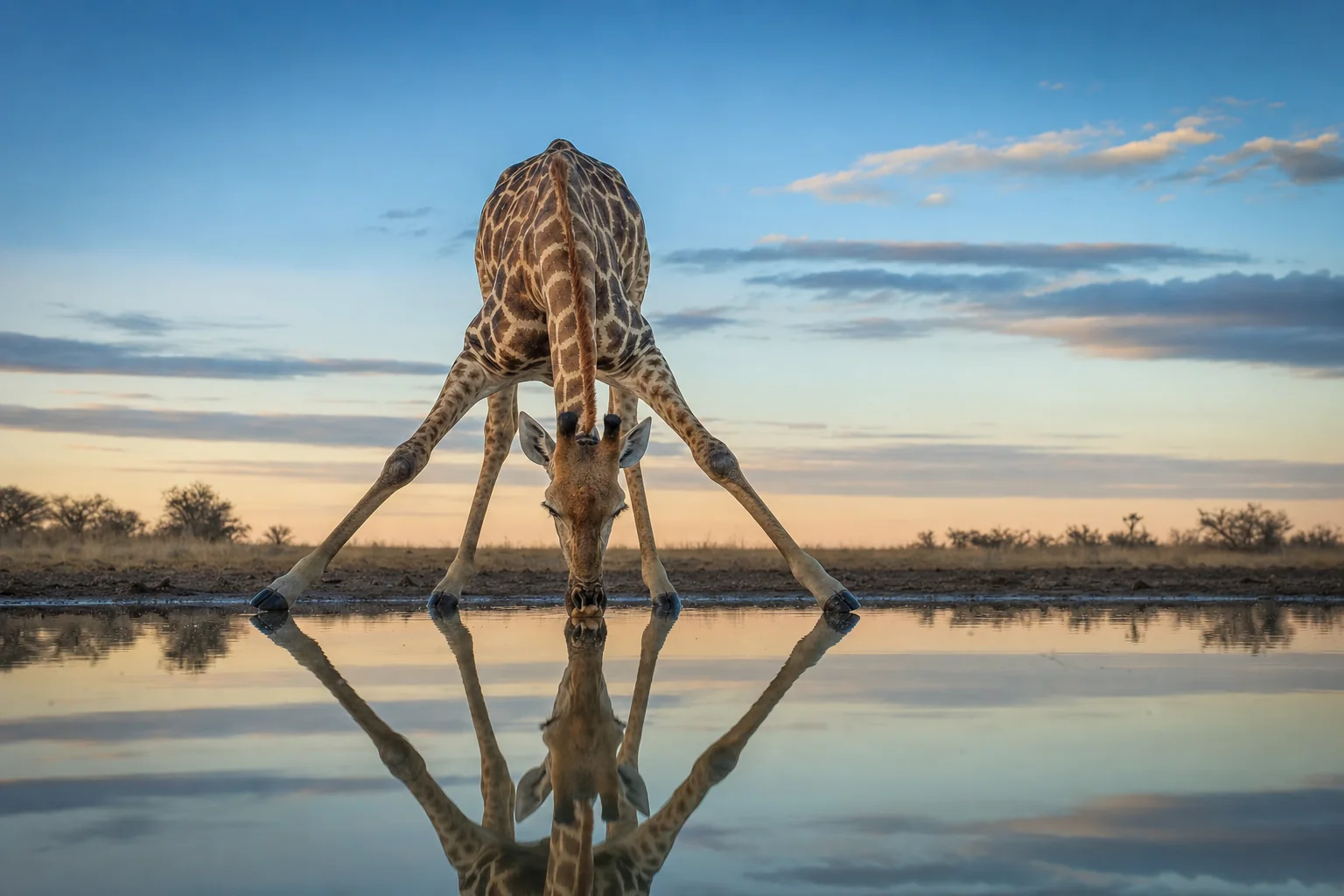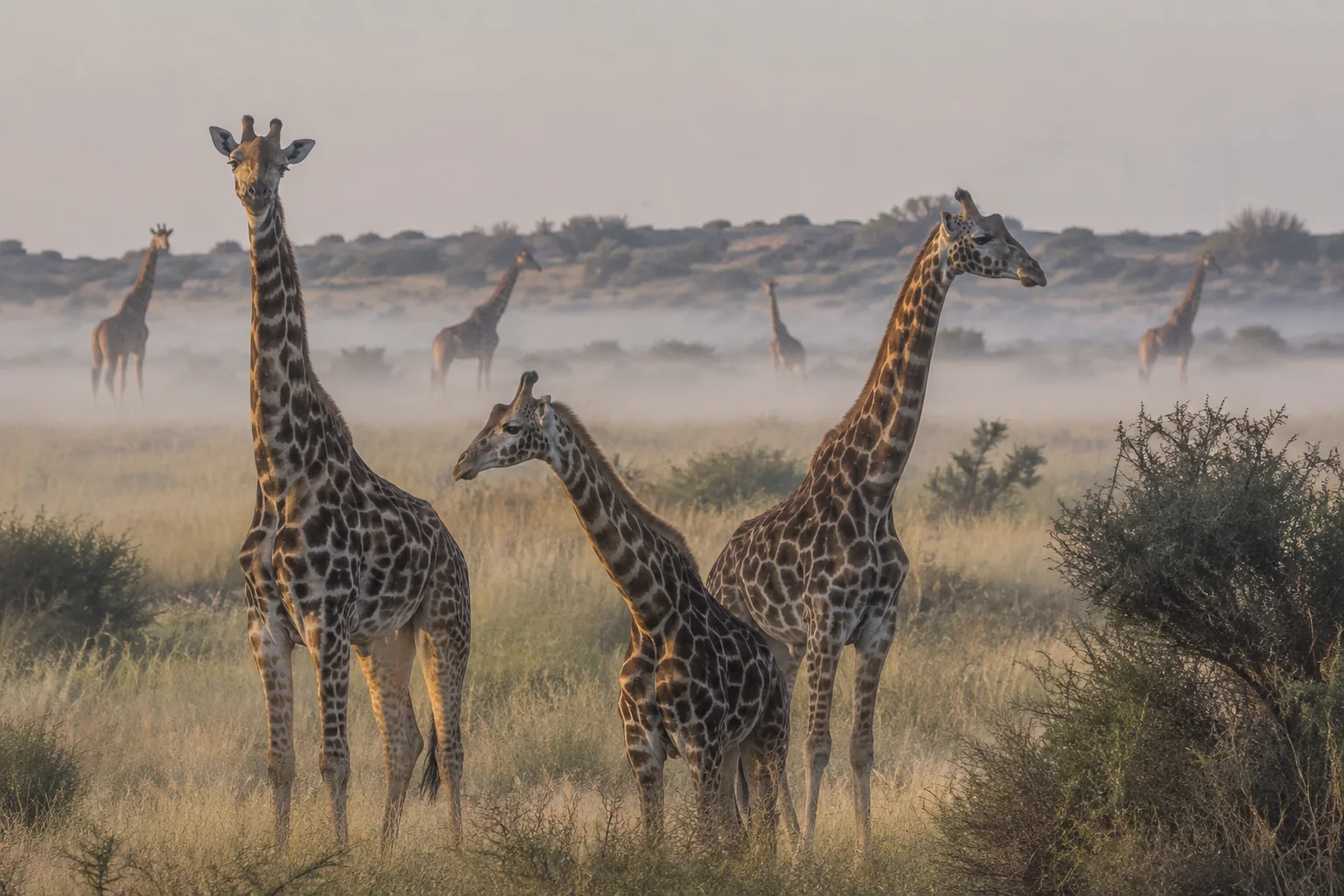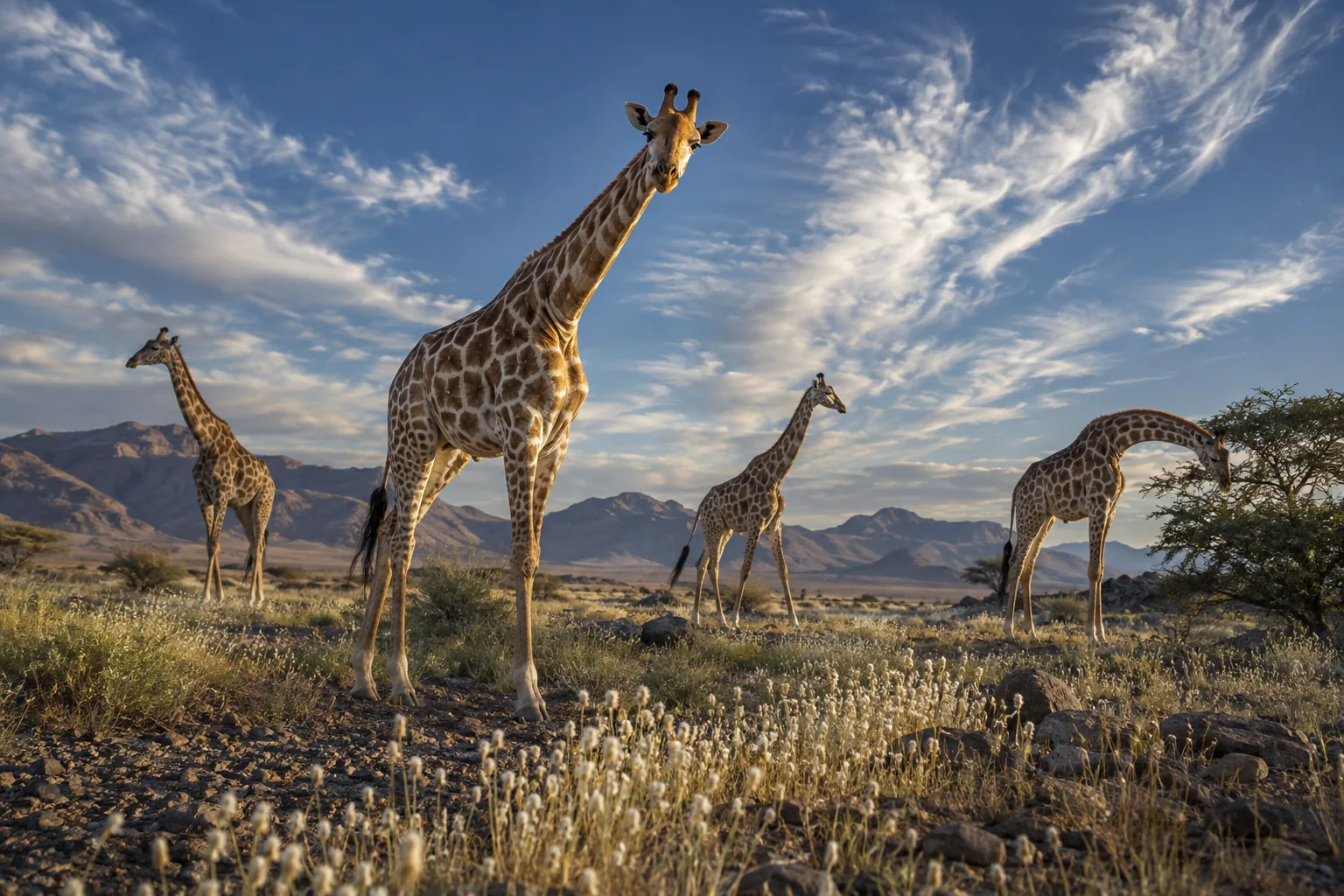
Eleven deaths mean something different in a population of thousands and a population of a few dozen. Before a disease outbreak in 2011, Kenya’s Mwea National Reserve held an estimated 44 giraffes. Over three months, veterinary staff and biologists found eleven giraffe carcasses: losses equivalent to a quarter of that estimate.
Titus Kaitho, David Ndeereh and Bernard Ngoru of the Kenya Wildlife Service documented the emergency and response in a 2013 report in Veterinary Medicine: Research and Reports. The paper concerns the giraffes then described as Rothschild’s giraffes. It is a historical account of a particular outbreak, rather than an estimate of the reserve’s population today.
The team’s contribution was to record what happened before, during and after a veterinary intervention in a small wild population. Those records make the scale of the loss and the outcome of the response assessable beyond the people who were there.
A protected population faced a different threat
Mwea was a fenced reserve of about 48 square kilometres. Protection from land conversion or hunting could not prevent every source of mortality within its boundaries. Between May and July 2011, the team found dead giraffes and one dead lesser kudu; bacteriological investigation confirmed anthrax in the outbreak.
Anthrax is a bacterial disease with an environmental component. The bacterium can persist outside an animal in a resistant form called a spore. That helps explain why ending a period of visible deaths does not necessarily remove a landscape’s future risk. The report’s authors considered continuing surveillance essential even after the outbreak had stopped.
The distribution of deaths also raised a biological question. Mwea contained several other potentially susceptible wildlife species, yet the losses described in this outbreak involved giraffes and the lesser kudu. This was the observed mortality pattern, not proof that every other species escaped infection.
The paper does not resolve why these particular animals were affected. Different species can use the same reserve differently, and a record of carcasses alone cannot identify the route by which each animal encountered infection. The authors’ map documents where carcasses were found; it does not establish a complete chain of transmission.
Reaching the survivors was only part of the task
The response combined veterinary care for the living population with measures intended to reduce further exposure. Twenty giraffes were vaccinated. Carcass disposal was supervised by reserve management and veterinary staff, while authorities also introduced access and livestock-movement restrictions and notified local health services and communities.
These were coordinated actions around the same emergency. The story is therefore about a combined outbreak response, rather than a trial that tested vaccination independently of other measures.
The vaccination record also exposes a practical difficulty in working with wild animals. The team sighted 33 surviving giraffes in five herds and vaccinated twenty, approximately 61% of that number. Some animals entered dense vegetation or difficult terrain where they could not be followed.
Recognition became a second obstacle. After the temporary vaccination darts fell away, the team found it difficult to distinguish previously vaccinated animals when the herds were seen again. Finding a giraffe and knowing its treatment history were separate problems.
That detail makes the coverage figure meaningful. Twenty was a documented intervention count, while the remaining gap reflected both access and identification. It was not evidence that the team had established an optimum fraction of giraffes to vaccinate in future outbreaks.
Two years without reported further deaths
The report states that no anthrax-related deaths in the giraffes were reported during the two years after vaccination. For a population that had just lost eleven animals, that was an encouraging follow-up observation.
The authors attributed the end of the outbreak to their prompt response. Their account supports the sequence of events: losses occurred, several control measures were applied, and no further deaths attributed to anthrax were reported over the stated period.
It cannot isolate the effect of vaccination from the other actions, or determine what would have happened without intervention. There was no untreated comparison population in the report. The absence of reported deaths also does not show that every survivor had become immune or that environmental infection risk had disappeared.
Those distinctions preserve the value of the observation. A documented period without further mortality is useful evidence even when it is not an experimental estimate of effectiveness. Recording the duration matters: “the outbreak ended” tells a reader less than knowing the team reported two years of follow-up.
What the next outbreak record could reveal
Kaitho and colleagues called for continuing disease surveillance and prompt reporting of mortality across species. Their reasoning was that risk could remain in the ecosystem after the visible emergency passed.
The identification difficulty suggests a related question: would linking sightings and veterinary histories to consistently recognised individuals make subsequent outcomes easier to interpret? The useful observation would be whether known animals survived, disappeared or became ill over time. Unequal opportunities to see animals would still need to be considered; an animal that is not seen is not automatically dead.
Following all susceptible wildlife, rather than only the species first found dead, could also improve understanding of the next event. Species differ in abundance and detectability, so comparisons would need more than raw carcass totals. The aim would be to learn whether the apparent concentration in giraffes reflected exposure, vulnerability or which deaths were discovered.
Mwea’s record brings two conservation timescales together. A small population can suffer a substantial loss in months, while evaluating the outcome of a response requires attention over years. The emergency and the follow-up both belong in the scientific account.
Sources
Titus Kaitho, David Ndeereh and Bernard Ngoru. “An outbreak of anthrax in endangered Rothschild’s giraffes in Mwea National Reserve, Kenya.” Veterinary Medicine: Research and Reports 4, 45–48 (2013). Paper; open full text.