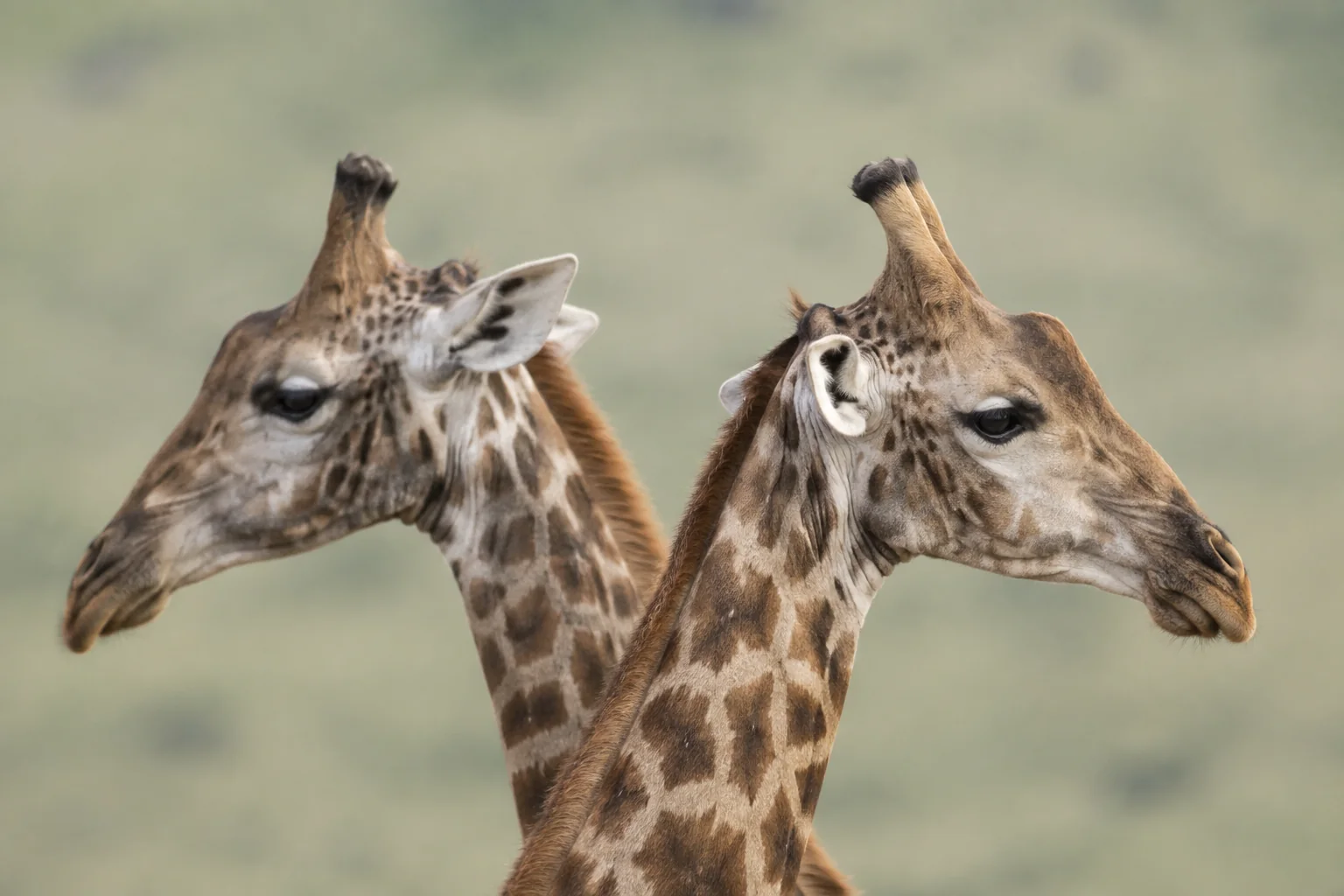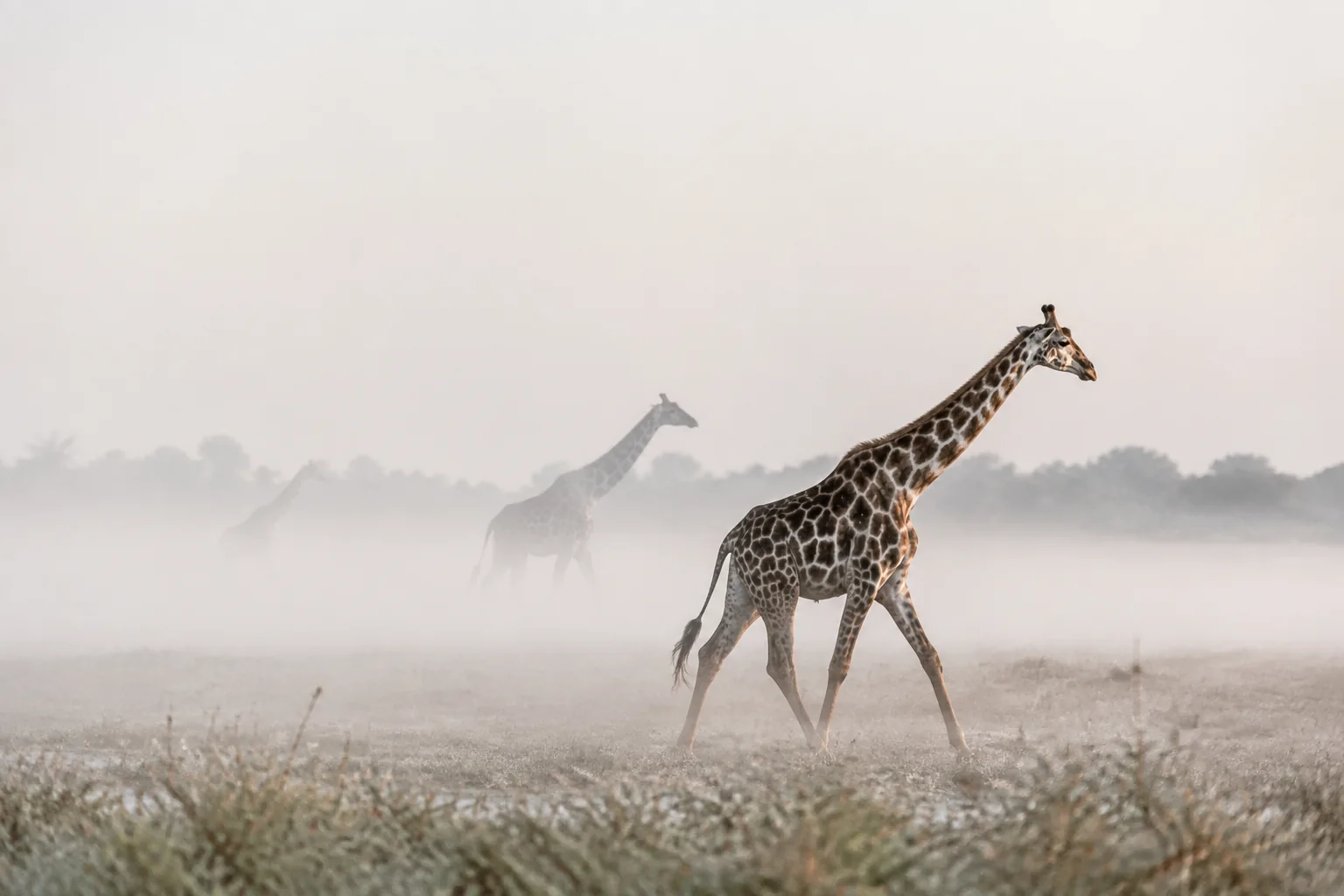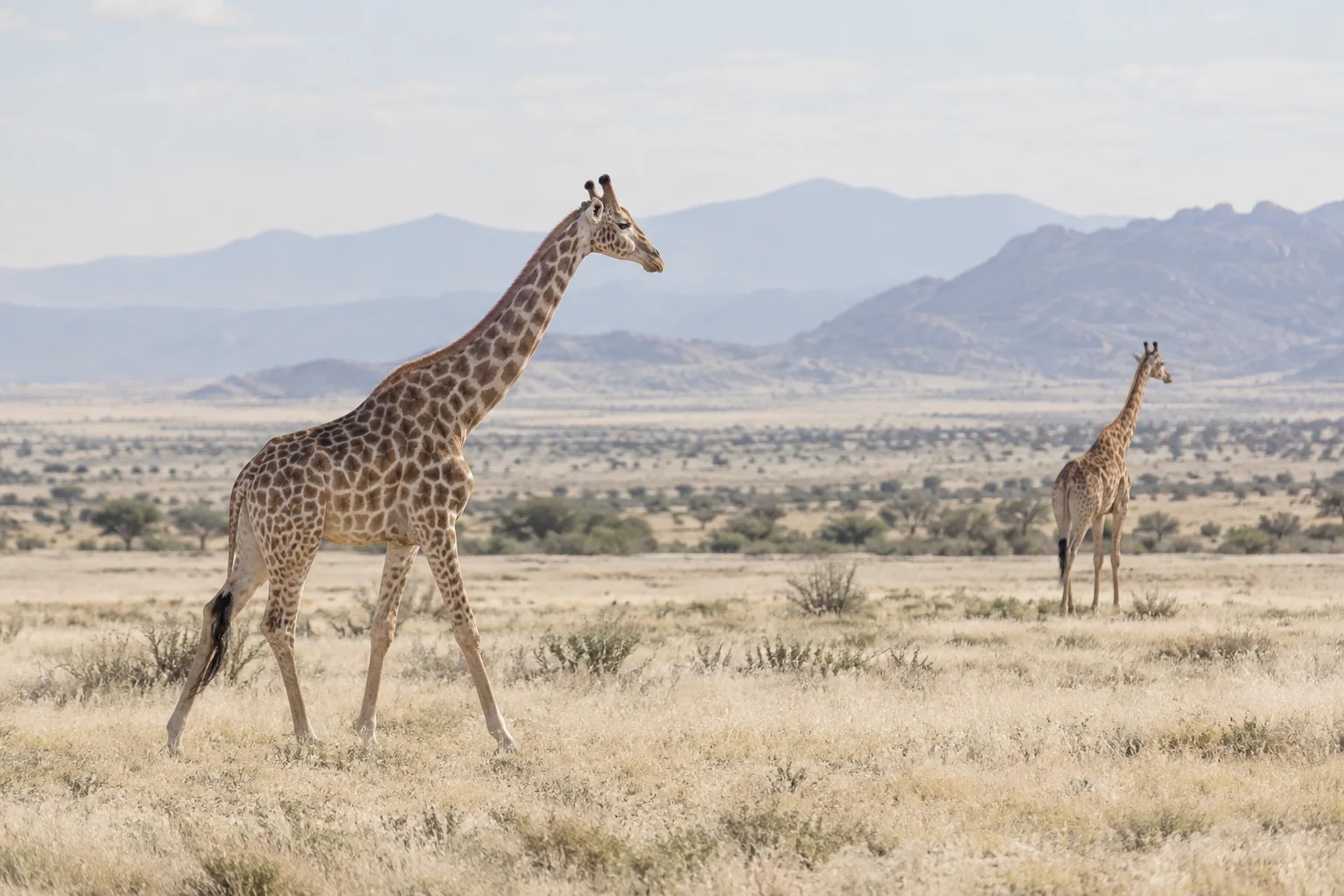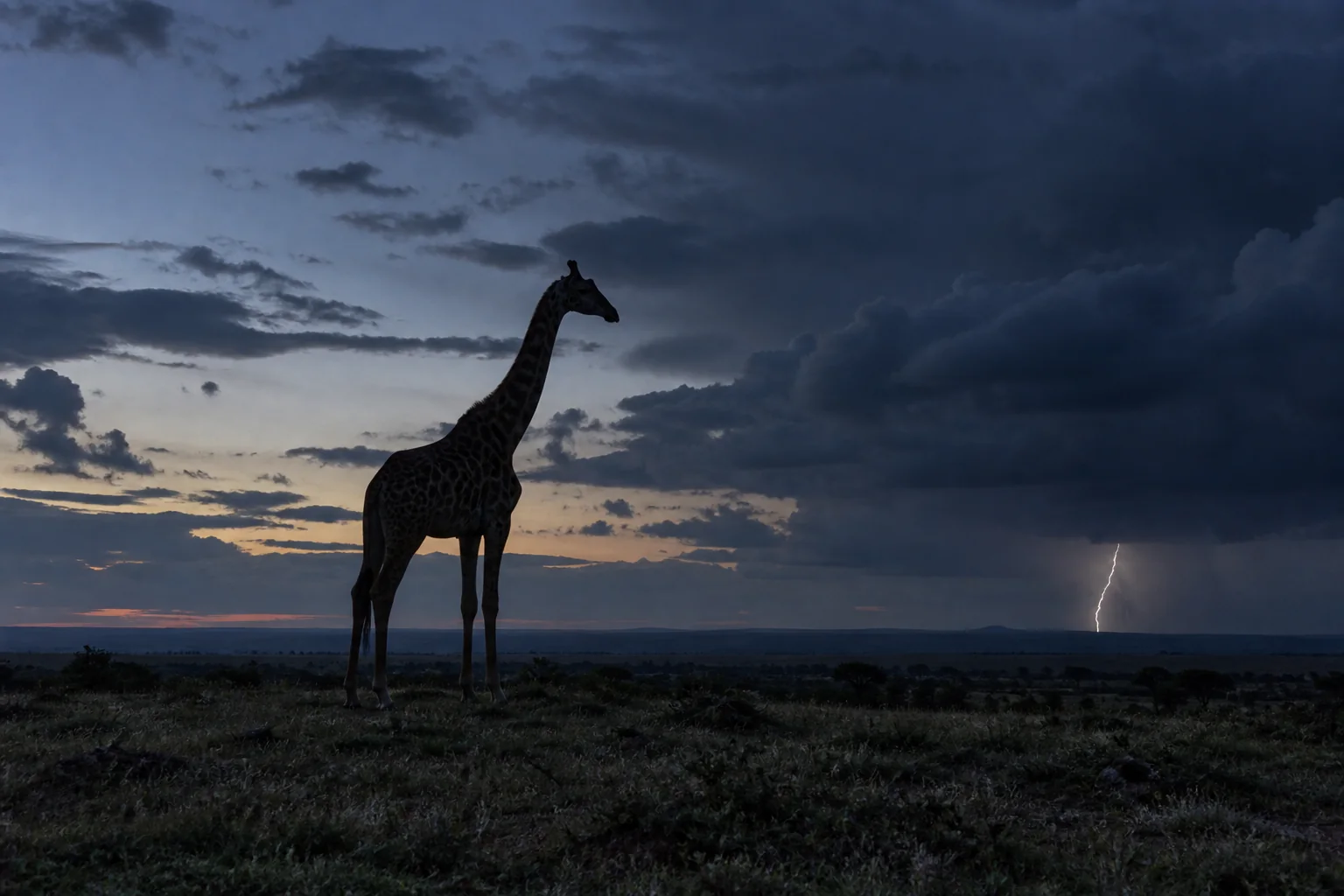
A boundary between animal populations is easy to picture when it follows a mountain range or an impassable river. It is harder to explain when the animals can walk long distances and their neighbouring ranges contain broadly similar savanna. Why would giraffes on either side remain genetically different?
Henri A. Thomassen and colleagues explored a less visible boundary: the calendar of rainfall. Their 2013 study compared several explanations for the distinctiveness of East African giraffe groups. The result suggested that when rain arrives may be more informative than simply how wet or wooded a place is.
The same kind of habitat can run on a different timetable
Rainfall drives changes in the leaves and shoots available to browsers. Two neighbouring regions can both support giraffes while offering their seasonal flush of vegetation at different times. An animal adapted to one timetable may therefore encounter a different sequence of good and difficult feeding periods after moving elsewhere.
The team considered four broad possibilities: genetic differences accumulating with distance, barriers that restrict movement, general habitat differences and differences in seasonal timing. Comparing those alternatives mattered. A correlation between giraffes and rainfall alone would say little about whether distance or terrain explained the same pattern more effectively.
The study focused on groups it called Masai, reticulated and Rothschild’s giraffes. Those are the historical study labels. Its purpose was to investigate factors associated with their genetic separation, rather than conduct a new taxonomic assessment.
Connecting DNA to the landscape
The researchers reused previously published genetic data from 429 giraffes at 51 locations. The DNA markers described which populations were genetically similar and which were more distinct. They then combined those locations with climate records, satellite measures of vegetation and information about terrain and human population density.
Satellite observations helped identify the seasonal return of green vegetation. Monthly rainfall records supplied additional timing information where satellite coverage was incomplete. Measures such as annual precipitation, vegetation cover and elevation represented other aspects of habitat.
One set of models asked whether those environmental characteristics could distinguish the giraffe groups. Another compared genetic differences between populations with differences in rainfall, distance and estimated obstacles to movement. These complementary approaches helped assess whether a finding depended entirely on assigning animals to named groups in advance.
The obstacles were represented in models, not mapped by observing giraffes attempt every crossing. Steep or high ground and densely populated areas were assigned greater movement costs. Those assumptions make the comparison useful but imperfect, especially where actual movement behaviour was poorly known.
The months of rain carried a strong signal
Monthly rainfall variables were the most informative features in the main classification model. General habitat measures contributed less. The model’s predictions broadly resembled the known geographical arrangement of the giraffe groups, although the match was not exact everywhere.
The analysis of genetic differences between populations gave a similar message. Models using monthly precipitation alone explained nearly as much variation as models that also included distance and movement costs. Distance and barriers still contributed in some comparisons; the result did not imply that giraffes move freely across every landscape.
This is a distinction between a seasonal schedule and an annual total. Two places receiving comparable amounts of rain can deliver that water in different months. A model that only totals the year can miss the period when a giraffe must reproduce, nurse a calf or find enough suitable foliage.
The researchers also revisited published birth records for two genetically distinct Masai giraffe populations, in Nairobi National Park and the Serengeti. Births were not evenly spread across the year, and the patterns were shifted by roughly two to three months, paralleling a difference in seasonal rainfall. That was a suggestive connection within Masai giraffes, not a direct demonstration of different breeding calendars across all three focal groups.
How could a calendar help maintain separation?
One proposed mechanism concerns reproduction. If conception, birth or weaning are timed around the local food cycle, moving into a different seasonal regime could disrupt those advantages. The paper discusses how fresh browse might help a growing calf and a mother recovering from the costs of reproduction.
Another possibility concerns movement itself. Giraffes may track resources within familiar seasonal ranges. When one region becomes widely suitable for feeding, the next may be entering a poorer period, reducing the advantage of crossing between them. A preference for familiar habitat conditions could reinforce that pattern.
These are hypotheses arising from the geographic association. The study did not follow migrants to determine their breeding success or show that a rainfall mismatch stopped particular giraffes from mating. Nor did it establish what originally separated their ancestors. Factors maintaining a boundary today need not be the same factors that first created it.
The authors point towards more detailed work on habitat use and mate choice. Tracking movements across neighbouring seasonal regimes while recording reproduction and ancestry would connect the broad pattern to individual lives. Thomassen and colleagues supplied a reason to look beyond the visible shape of the landscape: the timing of its resources may also help organise giraffe populations.
Sources
Henri A. Thomassen, Adam H. Freedman, David M. Brown, Wolfgang Buermann and David K. Jacobs. (2013). Regional Differences in Seasonal Timing of Rainfall Discriminate between Genetically Distinct East African Giraffe Taxa. PLOS ONE. DOI: 10.1371/journal.pone.0077191. Read the full paper.