A zebra with its head down is gathering food while a potential predator may be approaching elsewhere. Lifting its head provides information, but interrupts feeding. A nearby animal that notices danger could make that trade-off easier—if the zebra can understand what its neighbour is doing.
Melissa H. Schmitt, Keenan Stears and Adrian M. Shrader examined giraffes as possible sources of that information. Their 2016 study went beyond asking whether zebras were less watchful in mixed herds. It recorded where they looked, helping distinguish personal scanning of the surroundings from attention directed at another animal.
Sharing a herd can mean sharing information
Animals in groups can gain protection in more than one way. Additional bodies may spread the chance of being targeted by a predator, and additional eyes can help detect an approaching threat. A different species may also notice something that a zebra would find harder to see.
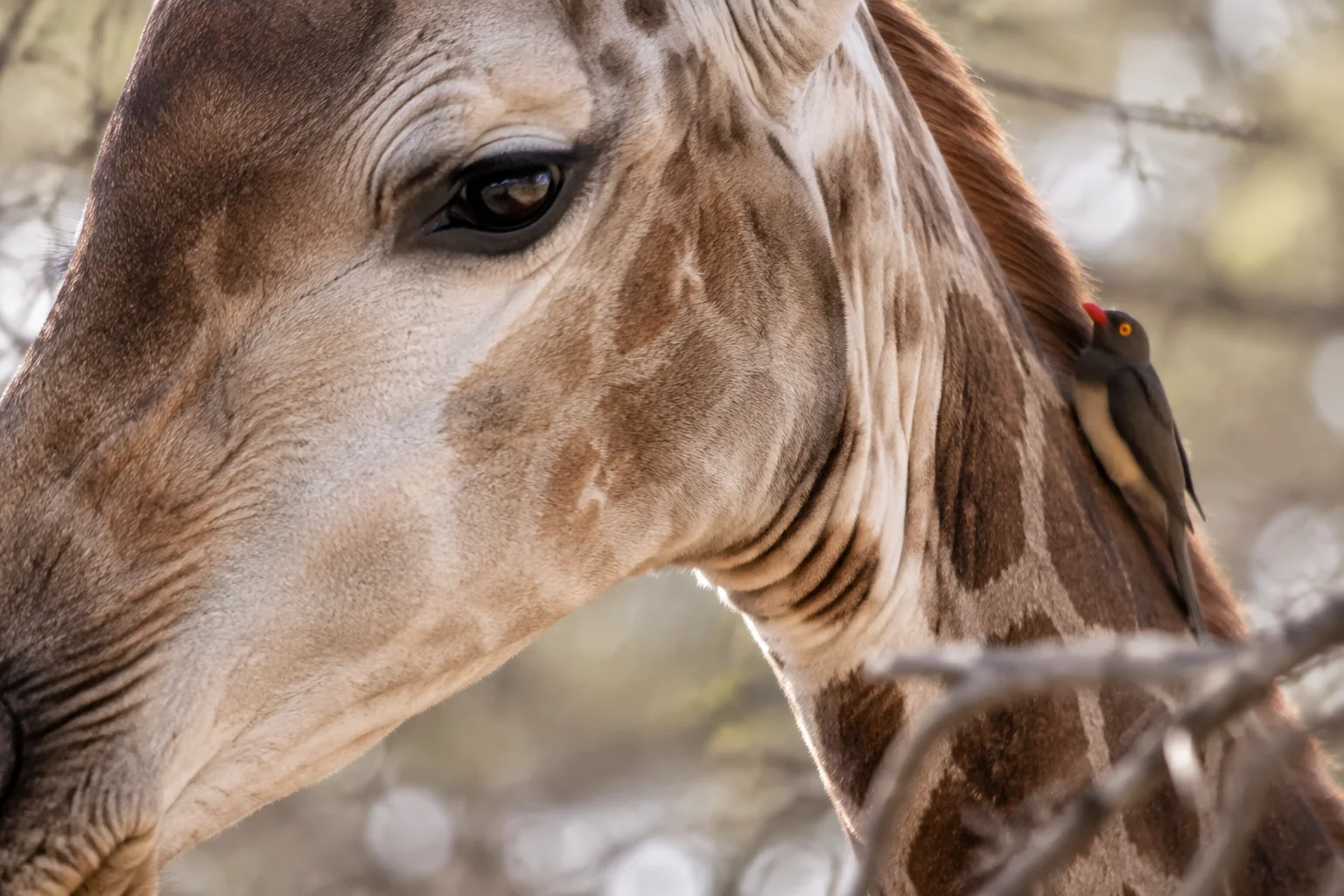
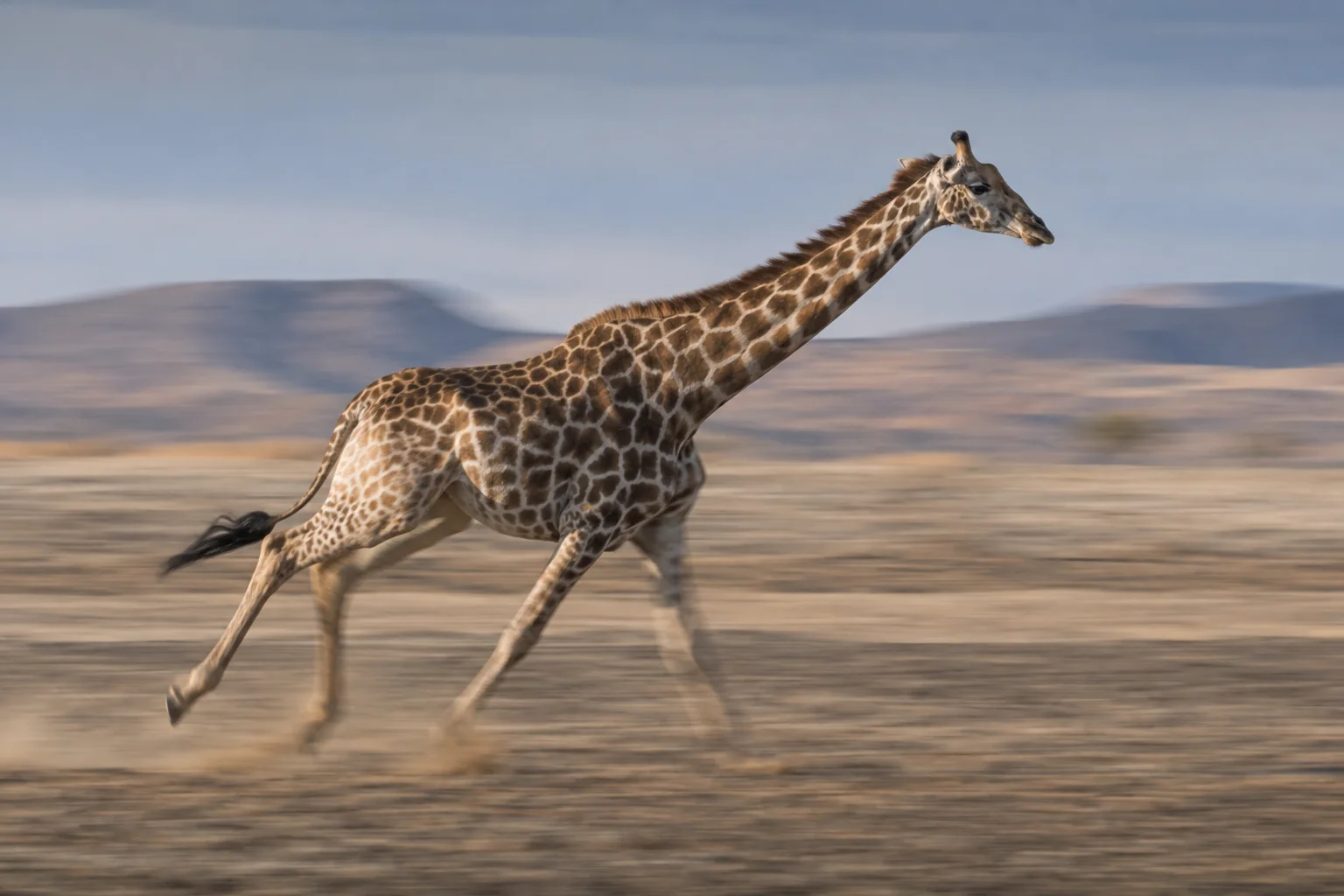
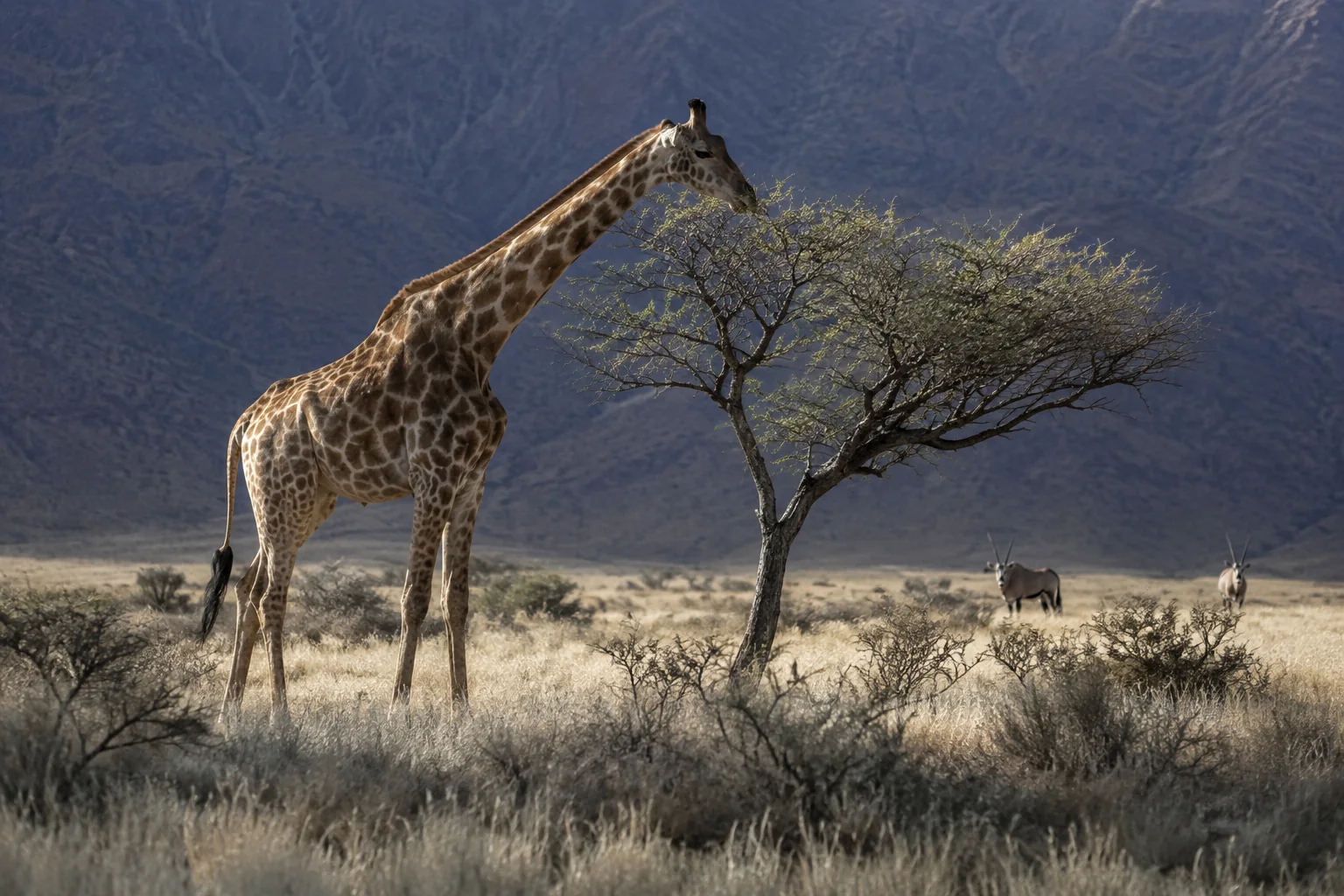
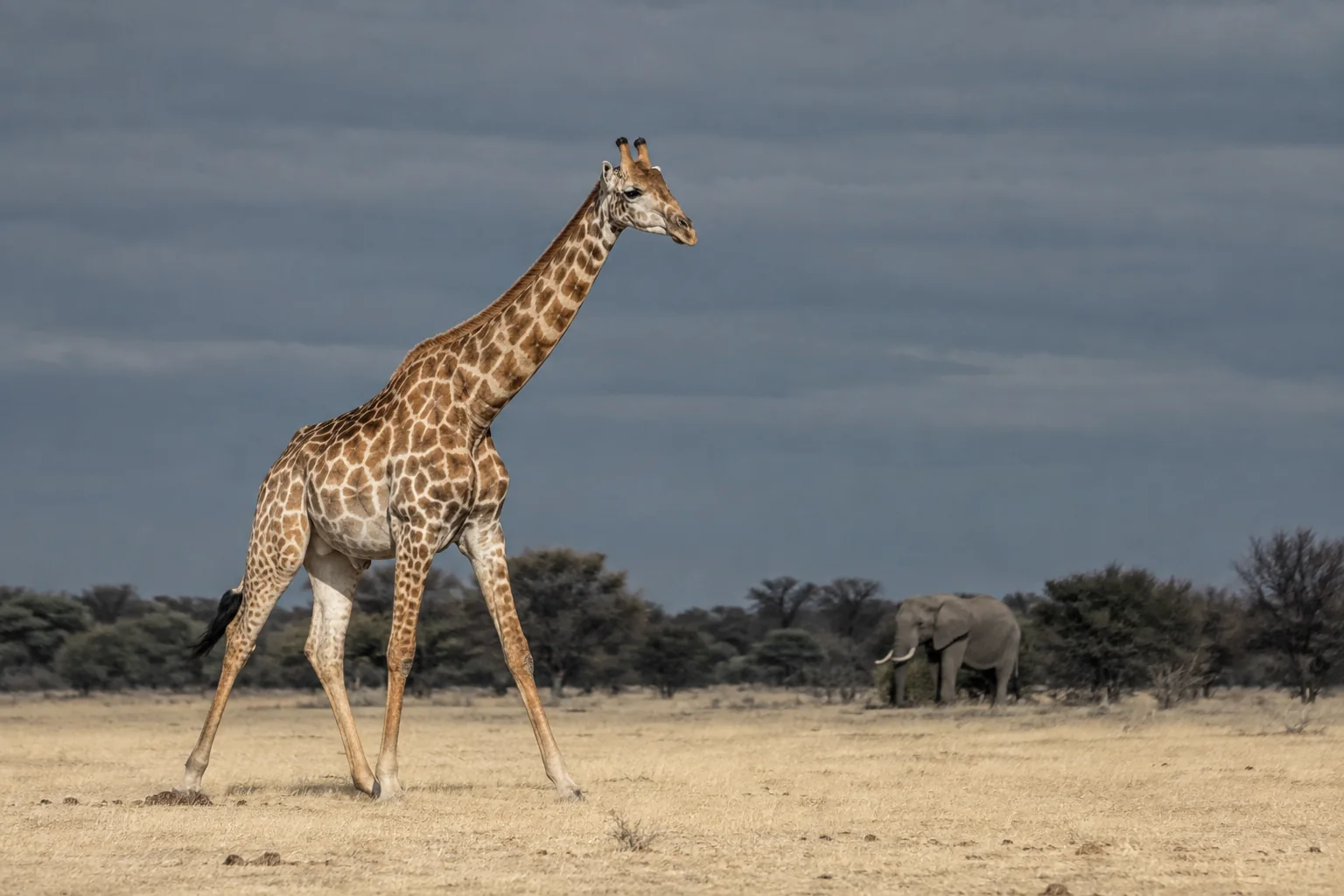
Giraffes offered a specific possibility. Their elevated heads can give them a view above vegetation that obstructs a shorter animal. If their response to danger is visible, zebras might use it without waiting for an alarm call.
The researchers observed small herds in Hluhluwe-iMfolozi and Kruger national parks, South Africa, during a late dry season and a wet season. They compared zebras feeding only with zebras against zebras with at least one giraffe nearby. Observations were restricted to broadly similar savanna settings and excluded herds with juvenile giraffes or zebras.
This was a comparison of naturally occurring groups, not an experiment moving giraffes into and out of the same zebra herd. Habitat selection and other differences between groups therefore remain possible influences on the result.
Three minutes revealed a different allocation of attention
Each focal zebra was watched for three minutes. The team recorded active vigilance: lifting the head to scan, or fixing its gaze and ears towards a possible source of information. General scanning was distinguished from a more focused stare.
The main samples included 169 zebras across 51 zebra-only herds and 77 zebras across 18 mixed herds. The researchers averaged vigilance within herds for analysis, avoiding treating every nearby animal as an entirely independent herd-level comparison.
Zebras in single-species herds spent an average of 27 seconds actively vigilant during a three-minute observation. Those alongside giraffes averaged 10 seconds. The difference was associated with the presence of giraffes rather than a detectable effect of how many giraffes were present in the sampled groups.
The form of vigilance changed as well. Focused scans predominated in zebra-only herds; general scans were more common alongside giraffes. Less active vigilance does not mean the zebras were blind to their surroundings while feeding. The researchers explicitly measured conspicuous, head-raised attention, which they could classify reliably.
Looking at a neighbour rather than searching the horizon
In the subset where gaze direction was recorded, zebras without giraffes directed most scans towards the environment. In mixed herds, scans were much more often directed towards herd mates, including giraffes.
That switch is the study’s most informative observation. Simply finding less vigilance would leave several explanations open. Looking towards giraffes while reducing direct scrutiny of the surroundings is consistent with obtaining information from those animals.
Schmitt and colleagues propose that a giraffe’s change in posture—such as stopping feeding and staring—could reveal a possible threat. The researchers reported hearing no giraffe vocalisations during the study. Their interpretation therefore centres on visible behaviour rather than an alarm call.
The actual information read by the zebra was not experimentally isolated. Recording a gaze direction cannot establish exactly what the animal understood. The study supports visual information use as an explanation, while leaving the specific cue and its reliability open for testing.
A giraffe differs from another grazing companion
The paper also used previously collected observations to compare zebra vigilance beside giraffes with vigilance beside wildebeest. Zebras with giraffes spent about half as much time actively vigilant in that comparison. Because these observations came from an earlier dataset, they are an additional comparison in the paper, not a wholly independent new field experiment.
Why, then, would zebras not always remain with giraffes? The authors suggest that other grazers may provide information about grass as well as danger. Giraffes chiefly browse trees and shrubs, so following their feeding decisions would offer a zebra a different kind of opportunity. That explanation for herd choice remains a hypothesis.
Testing the response to a clearly identified giraffe posture could help distinguish useful information from mere proximity. Longer observations could also examine whether reduced scanning actually increases feeding or lowers predation. The present evidence concerns behaviour, not measured survival.
The study adds an informative relationship to the ecological roles of giraffes: their height may make their responses useful to animals feeding much closer to the ground. A mixed herd can alter where its members look, and perhaps how much work each must do to monitor danger.
Sources
Melissa H. Schmitt, Keenan Stears and Adrian M. Shrader. (2016). Zebra reduce predation risk in mixed-species herds by eavesdropping on cues from giraffe. Behavioral Ecology. DOI: 10.1093/beheco/arw015. Read the full paper.