Food disappears when a lid closes, but its location has not changed. For an animal choosing between two containers, the task is to act on something it can no longer see. Adding a wait makes the problem harder: the useful information must survive while the reward remains hidden.
Álvaro L. Caicoya, Federica Amici, Conrad Ensenyat and Montserrat Colell tested this in research published in the Journal of Comparative Psychology. Six zoo giraffes located the reward above chance after two seconds and after thirty seconds. At longer delays, the evidence no longer clearly separated their choices from chance. That finding establishes a short-term ability without defining the full capacity of giraffe memory.
First, make the hidden object meaningful
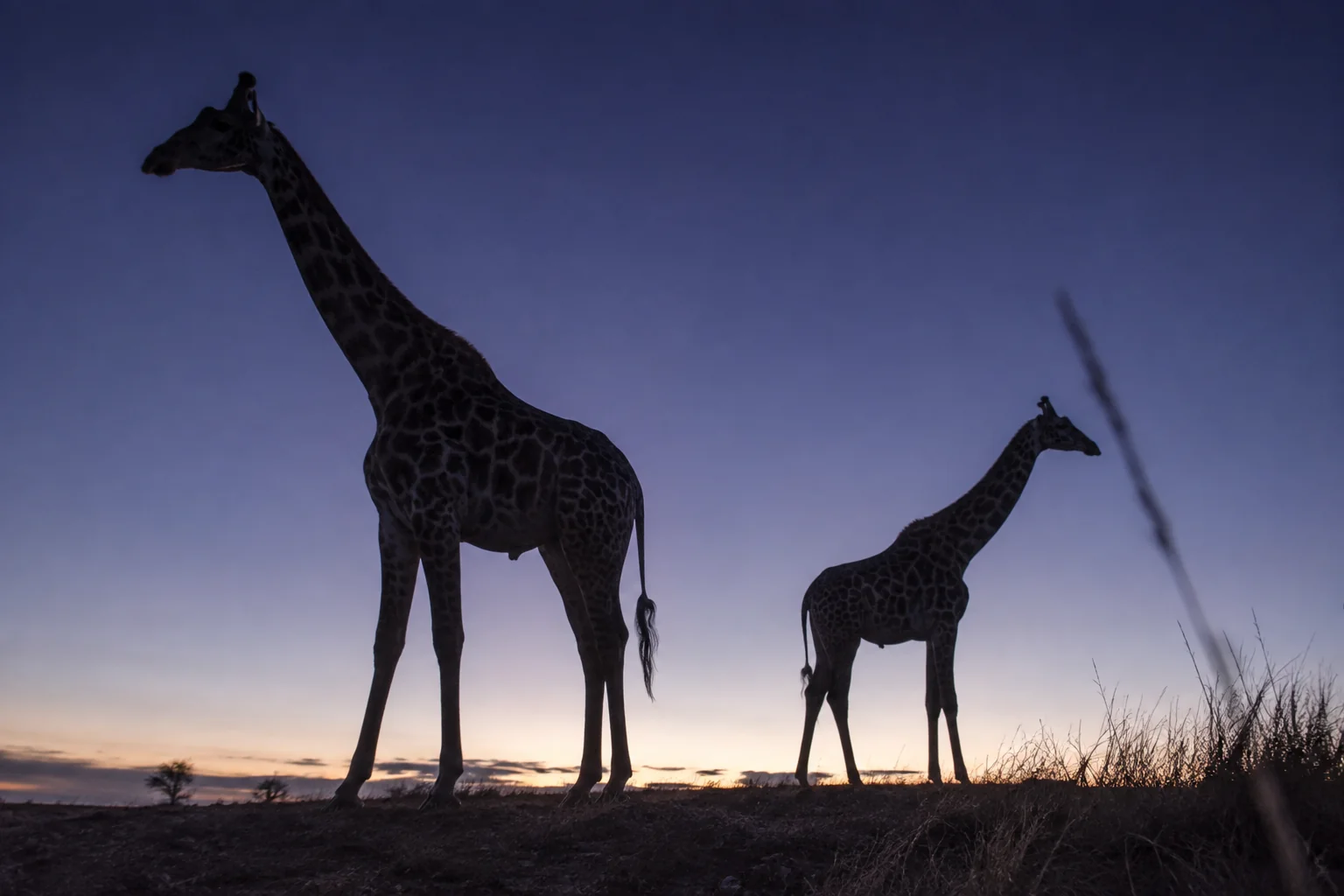
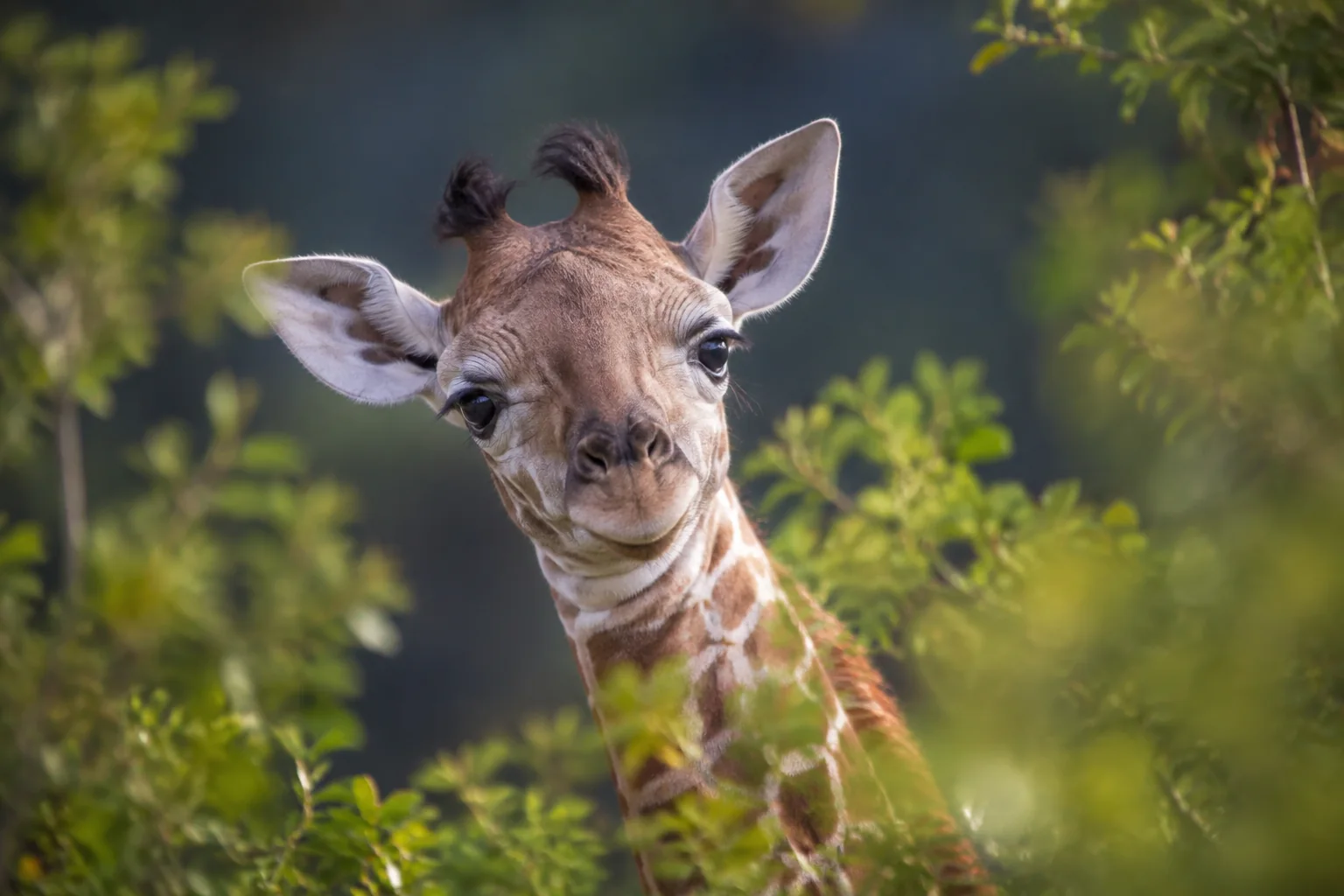
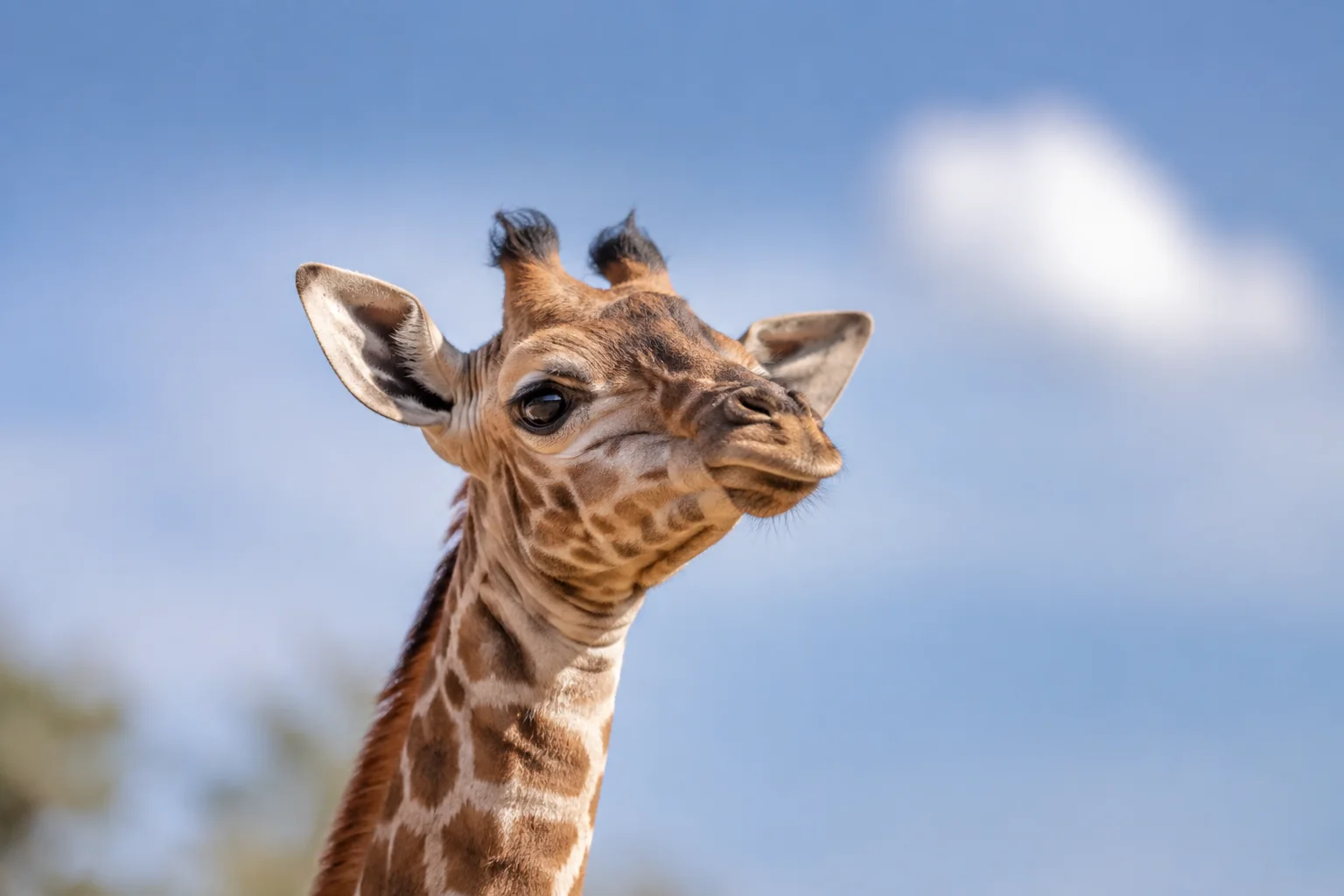
The animals lived at Barcelona and Leipzig zoos and ranged from one to twenty-one years old. They had no previous experience of cognitive tests. Participation was voluntary, and familiar preferred foods supplied motivation without withholding their normal diet.
The researchers began with one container. After seeing its contents, a giraffe could touch it with its lips or tongue and receive the food. Successful retrievals established that the animal understood how to make a choice in the apparatus before it faced two alternatives.
The experimental containers were identical and opaque. In the simplest hidden-food condition, the giraffe saw which held the reward, watched both lids close and could choose two seconds later. The person holding them closed his eyes when presenting the choice, reducing the possibility of steering the animal through a glance.
The food's side varied across trials. A separate control hid the food before presenting both containers, removing the visual information. Performance in that control was not above chance, making smell or other consistently useful unintended cues a less convincing explanation for success when the hiding was visible.
The controls cannot guarantee that every possible cue was absent. They make the central comparison interpretable: seeing the food before it vanished provided useful information that was missing in the control.
Stretching two seconds into thirty
The memory conditions kept the same basic arrangement while extending the delay to thirty seconds, one minute or two minutes. Each giraffe received twelve trials in each condition, with the order varied rather than proceeding through a simple ladder of ever-longer waits.
At two seconds and thirty seconds, the estimated performance was above the fifty-fifty baseline expected from choosing randomly between two boxes. Those successes also appeared when the researchers examined the first three trials, reducing the likelihood that extensive practice during the experiment created the entire result.
The one-minute and two-minute conditions were less decisive. Their uncertainty intervals included chance performance. That is not evidence that a giraffe's memory reliably expires at thirty seconds. It says that this small experiment did not establish successful retrieval at the longer delays.
Attention could contribute alongside memory. A giraffe might retain some information yet stop tracking the task, lose motivation or be distracted while waiting. The study did not independently manipulate those processes, so its interpretation includes a possible memory or attention limit.
Nor was this a test of remembering a companion, a route or an encounter over days. A short delay involving an unfamiliar food container and long-term recognition draw on different demands. Converting one result into a general statement that giraffes have poor memory would lose the question the experiment actually asked.
Could the head remember for the brain?
There was a simpler strategy to consider. An animal might keep its head pointed at the correct container throughout the interval, then choose the object already in front of it. Successful choice would then depend less on retaining the location after attention moved elsewhere.
The researchers scored head orientation from video. Continuous orientation toward one container was fairly common in the two-second task but occurred in only about seven percent of thirty-second trials. Success at thirty seconds therefore could not be explained mainly by keeping the head aimed at the reward.
That control is particularly useful because it examines behaviour during the waiting period, not only the final answer. Two animals making the same correct choice can reach it through different strategies. Watching the delay makes some of those alternatives visible.
A moving container created a different shortcut
The experiment also included trials where the animal did not see the food. Instead, the person shook either the full container, which rattled, or the empty one, which did not. If a giraffe used the presence or absence of sound to infer contents, both versions could guide it toward food.
The animals favoured the shaken container in both cases. They succeeded when it held the reward and tended to choose wrongly when it was empty. The appealing-looking success with a noisy box could therefore be explained by attention to movement, rather than an understanding of what made the noise.
That result complements the delay experiment. A correct answer is most informative when a plausible shortcut has been examined. The head-orientation analysis strengthened the memory interpretation; the empty-box condition weakened the acoustic-inference interpretation.
A later comparison with bison and forest buffalo reused these giraffe observations in a broader analysis. It did not provide six new giraffes independently confirming the same memory result. The comparison is useful for asking how performance varies across species, while this original experiment remains the source of the giraffe delay evidence.
The successful thirty-second choices establish that an unseen reward can continue to guide a giraffe's behaviour after its head has turned elsewhere. Determining what happens over longer intervals now requires designs that separate remembering from attention, motivation and the particular demands of a human-held box.
Sources
- Álvaro L. Caicoya, Federica Amici, Conrad Ensenyat and Montserrat Colell (2019). “Object permanence in Giraffa camelopardalis: First steps in giraffes’ physical cognition.” Journal of Comparative Psychology 133(2), 207–214. Paper. University thesis containing the full chapter.
- Alvaro Lopez Caicoya, Federica Amici, Conrad Ensenyat and Montserrat Colell (2021). “Comparative cognition in three understudied ungulate species: European bison, forest buffalos and giraffes.” Frontiers in Zoology 18, 30. Full paper.