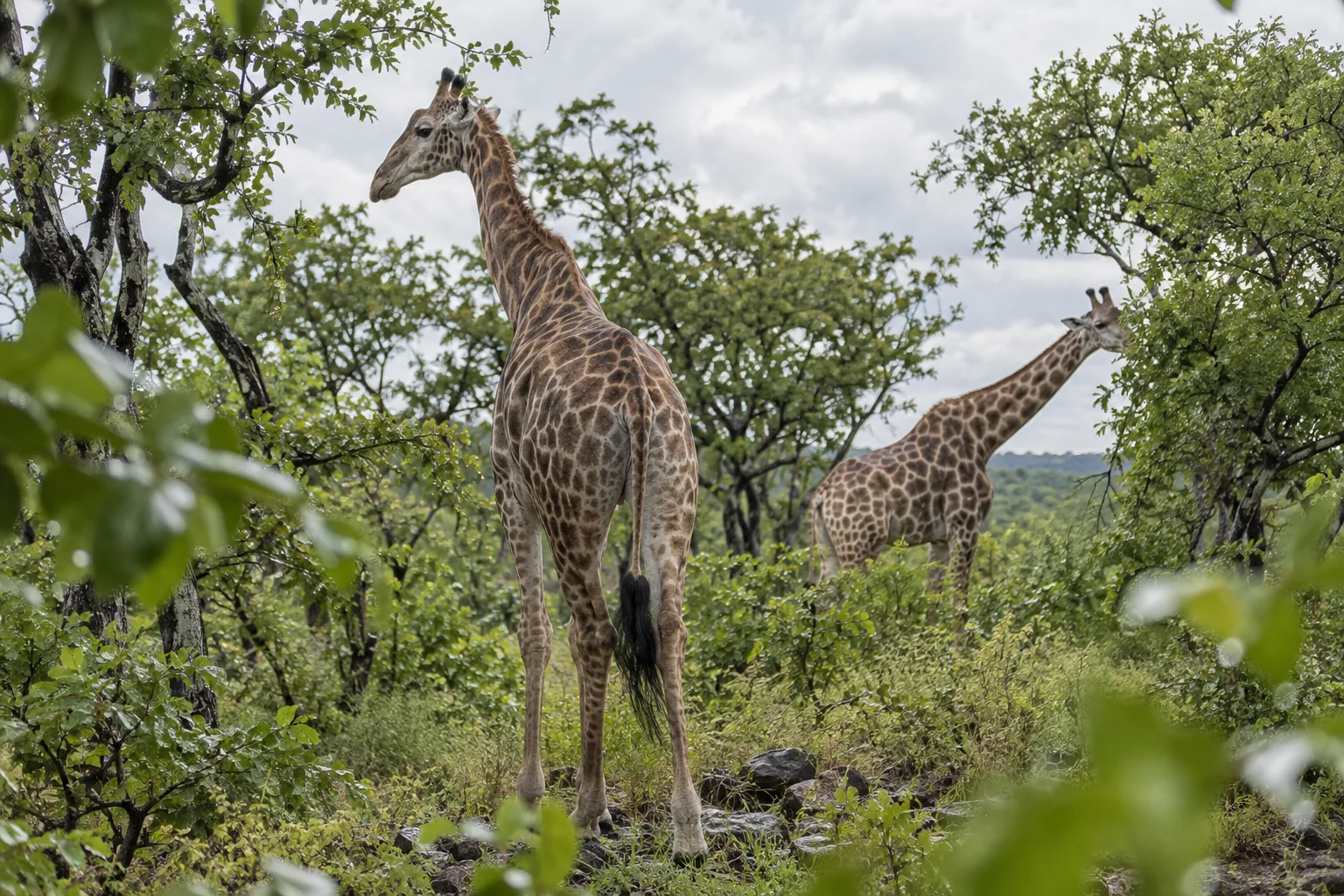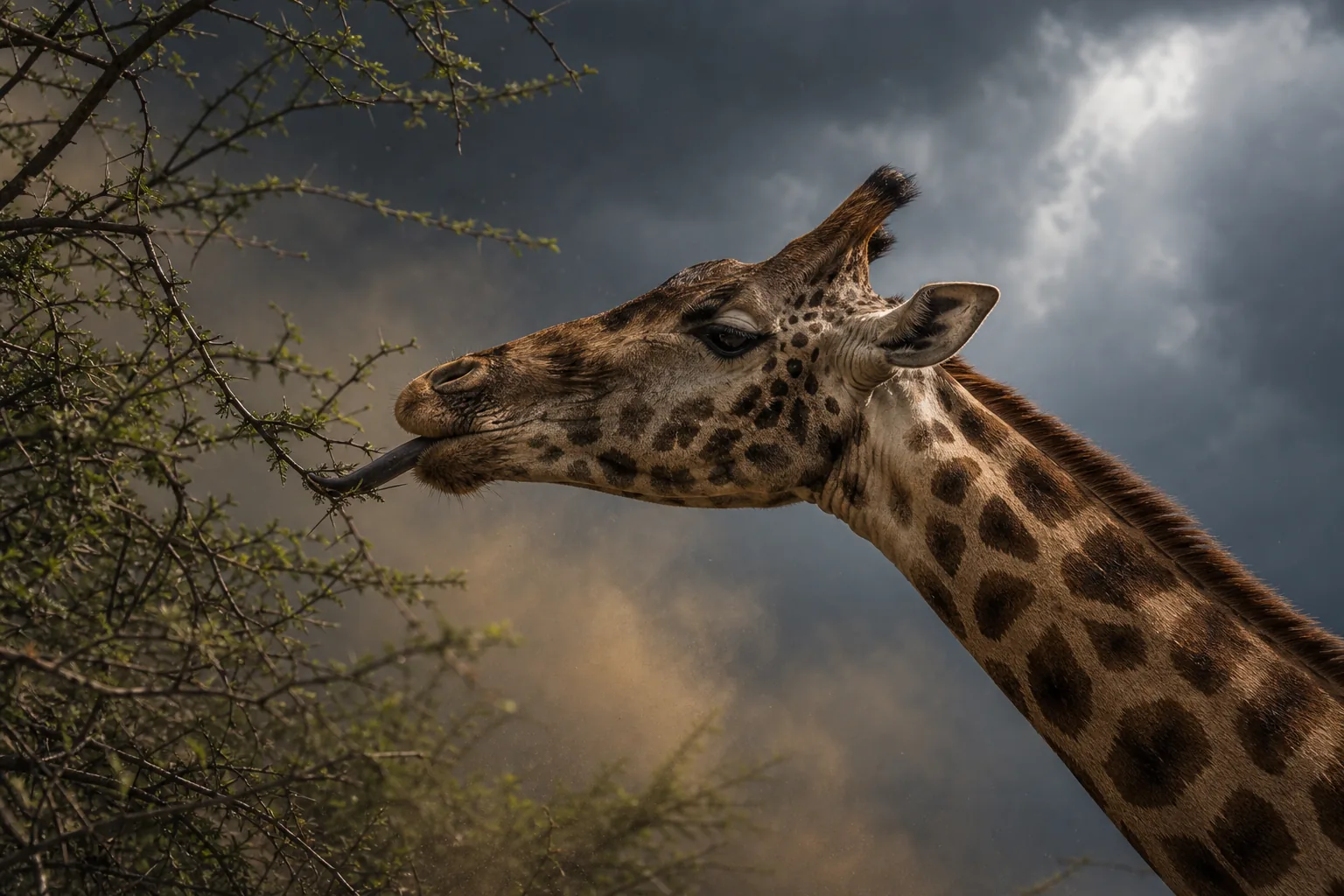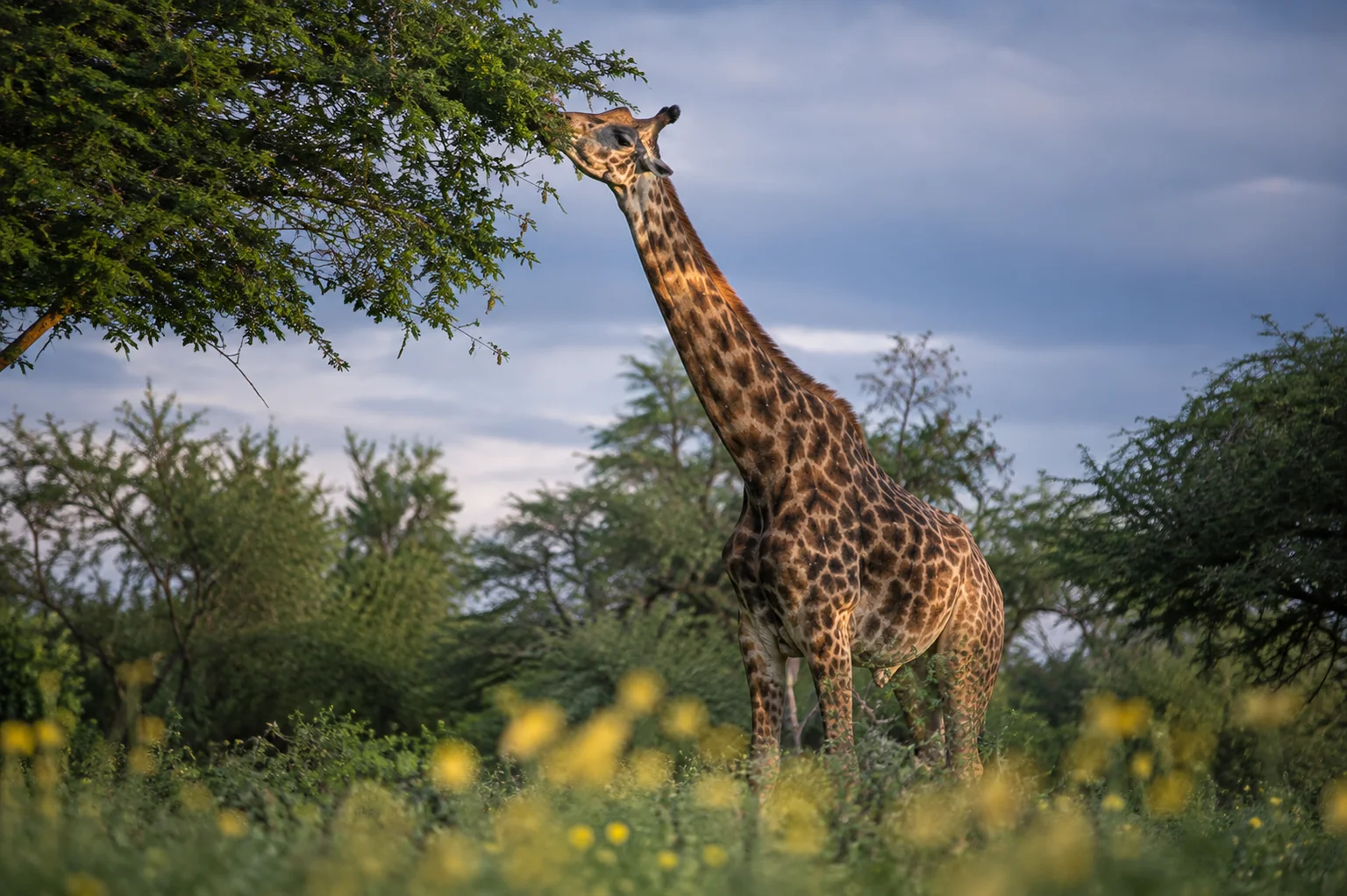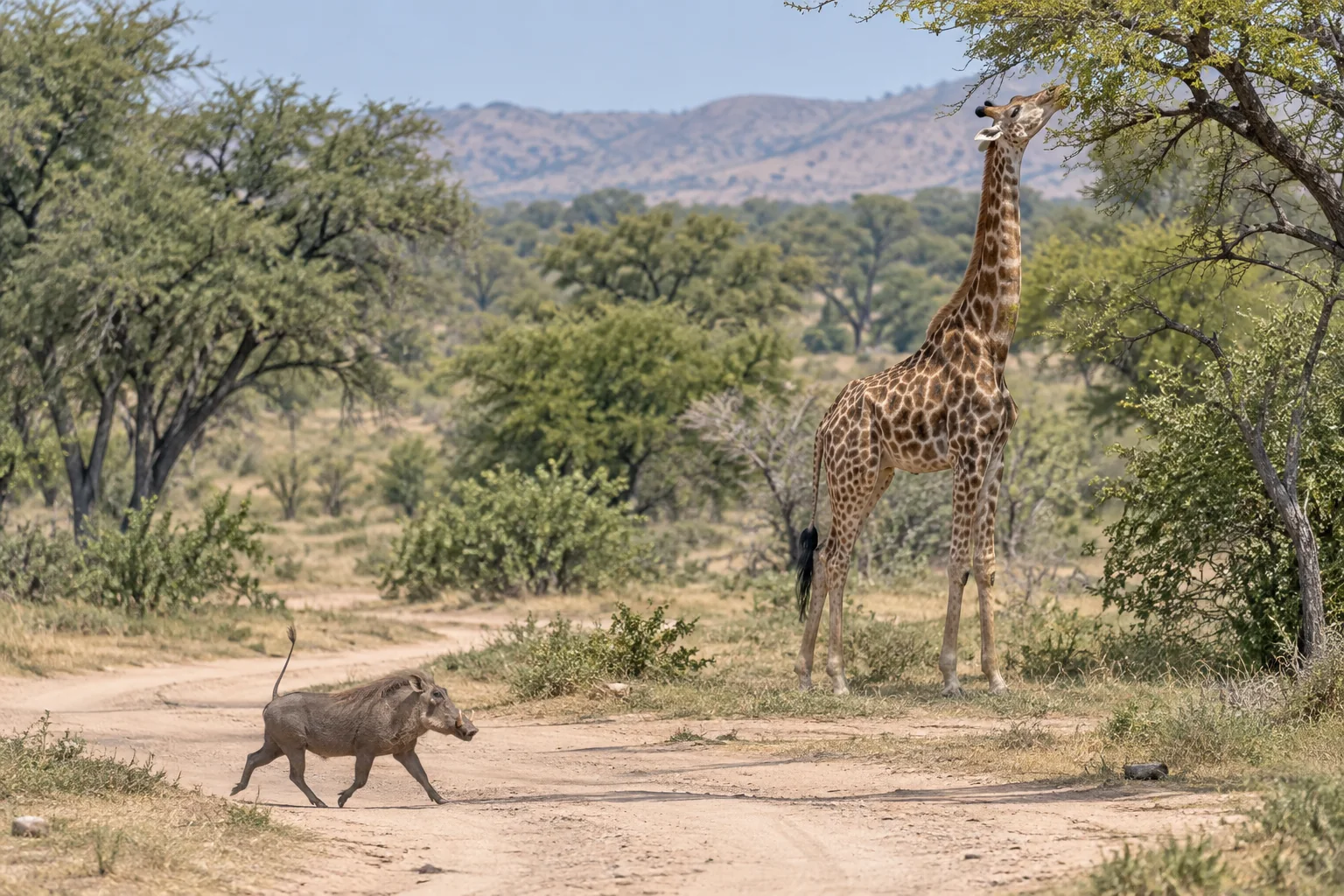
A wildlife population can grow and still remain vulnerable because of where it lives. By 2018, conservation efforts had helped West African giraffes recover from about 49 animals in the 1990s to more than 550. Yet the surviving population remained concentrated in the communal “Giraffe Zone” of southwestern Niger. A damaging event in that one area could still affect much of the subspecies.
Returning giraffes to another part of their historical range offered a way to spread that risk. Operation Sahel moved eight animals to Gadabedji Biosphere Reserve in November 2018 and four more females in November 2022. In their 2024 veterinary case report, Richard Harvey, Sara Ferguson and Julian Fennessy described how the teams achieved the moves and followed the animals after release.
They reported no deaths during the operations or post-translocation, and five calves born by the end of 2023. The births made Gadabedji more than a place where giraffes had been delivered: reproduction had begun at the new site. Whether that beginning becomes a lasting second population depends on what happens to those calves and the generations after them.
A second home after a shared recovery
The source population’s recovery grew from the work of Niger’s government, conservation organisations and people living alongside giraffes. Its home was an unprotected communal landscape. That recovery supplied the animals for a reintroduction—returning a species or subspecies to a place within its former range.
Niger’s national giraffe conservation strategy proposed establishing additional populations in protected areas. After assessments, Gadabedji was selected. The Giraffe Conservation Foundation spearheaded the operation for Niger’s Ministry of Wildlife, with Sahara Conservation and Wild Africa Conservation.
The ambition linked two kinds of conservation work. Maintaining the original West African giraffe population protected the recovery already achieved. Establishing another breeding population could make the subspecies less dependent on the future of that single place. The strength of the second population would therefore matter as much as the survival of the transported animals.
Making a difficult move possible
Harvey and colleagues’ report preserves a practical achievement: a small team used locally adapted equipment to move unusually tall animals where the specialised resources available in established capture industries were limited.
A local horsebox was converted into a field trailer, and a modified shipping container mounted on a government truck provided the transport crate. The animals travelled in groups of four. The journey lasted roughly two days, with feeding and rest stops to help animals recover from balancing on uneven roads. The account explains why preparation concerned the condition of the giraffes as well as getting a vehicle to the destination.
All the animals were subadults. The team selected them to make transport more manageable, avoid moving pregnant females and favour adaptation to the new area. Timing the moves for leafy browse—the woody plant material giraffes eat—and suitable water and weather conditions linked the transport plan to what awaited the animals after release.
The two operations also show how circumstances can change an intended plan. In 2018, the giraffes spent six weeks in a temporary holding enclosure before travel. By 2022, insecurity prevented veterinary staff from monitoring animals overnight in the field, sharply shortening that preparation period. Pandemic delays and security constraints also reduced an original plan for 16 animals to 12.
All animals were transported successfully despite those differences. Because the report describes two operations rather than a controlled comparison, it cannot show that a particular holding period or handling choice caused the outcome. Its contribution is to make the choices, constraints and subsequent observations available to other teams planning difficult moves.
The animals had to stay, settle and reproduce
Following the giraffes after release was essential to understanding what the move had achieved. Most of the first group stayed together, but one female travelled far beyond the reserve and was brought back by Tuareg eco-guards. The later arrivals joined the resident animals soon after release.
GPS tracking and weekly visual checks by eco-guards allowed the team to follow the giraffes’ wellbeing. Local monitoring also made it possible to respond when an animal moved away. The case report connects that continuing work with its early outcome: no reported mortality and five recorded births by the end of 2023.
Those observations answer successive questions. Surviving transport shows that the operation was accomplished. Births show that animals reproduced at the destination. A population that persists will also need enough young animals to survive and eventually breed. A birth count alone cannot yet tell us whether that replacement is happening.
The two groups had different time at the site. By the end-2023 birth endpoint, the first arrivals had been there about five years and the second about thirteen months. Continued individual histories would turn those early observations into estimates of survival and reproduction across comparable periods.
Why the first generation cannot tell the whole story
Derek Lee and colleagues’ 2020 population viability analysis explains why a promising start needs a longer view. Their computer simulations followed hypothetical giraffe populations for 100 years, varying founder numbers, sex ratios, demographic rates and the assumed effects of inbreeding.
Small founder groups could grow through their early decades and still remain vulnerable later. One reason was their initially young age structure: many founders could enter their reproductive years together, creating a period of growth that would not necessarily continue after those animals aged and died. Genetic variation could also be lost while the population remained small.
The model was not a forecast for Gadabedji. It assumed a favourable release site and no post-release dispersal, among other conditions that require local examination. Its useful connection is the distinction between the founders’ productive years and a population that keeps replacing itself. In the sensitivity analysis, first-year survival and adult female reproduction had particularly strong effects on long-term persistence and retained genetic diversity.
That gives the five calves a precise place in the conservation story. Their births demonstrate reproduction; their later survival and breeding will help determine whether the population can sustain that contribution. The Operation Sahel authors themselves recommend assessing further additions when conditions permit.
What inheritance did the founders bring?
A small group also carries only part of its source population’s genetic variation. Which animals reproduce, and how closely related they are, influence what the next generation inherits.
Raphael Coimbra and colleagues’ 2022 genomic study included ten West African giraffes in a comparison with Kordofan and Nubian giraffes. The West African animals retained more genomic variation than the authors had expected after their severe decline, although they also showed higher levels of recent inbreeding than the other northern giraffe groups examined.
These findings describe different aspects of inheritance. Genetic variety can remain in a population while relatives breed and pass matching stretches of ancestral DNA to their offspring. The authors therefore recommended genetic monitoring of the newly established Gadabedji population to detect increasing inbreeding and inform possible additions.
Operation Sahel collected genetic samples, but its case report did not publish an analysis of the founders’ DNA. The broader genomic study cannot establish exactly which variation all 12 founders carried or passed on. Comparing their samples with those of their calves could show whether descendants represent many founders or only a few. Our taxonomy and genetics guide explains how ancestry, relatedness and genetic diversity answer different questions.
Following a population beyond its founding years
Three observations could connect this beginning to the longer conservation ambition.
How many calves reach breeding age? Repeated photographic identification could follow each calf through its first year and later life stages. Recording uncertain fates would help distinguish animals missed during a survey from confirmed losses. As more cohorts accumulate, the record could reveal whether enough young giraffes are joining the breeding population.
Which founders leave descendants? Genetic comparisons between founders and calves could estimate parentage and relatedness. Unequal breeding success would matter because a growing head count might still represent a narrow genetic inheritance. That evidence could help assess whether additional animals would make a useful contribution.
Are both populations gaining strength? Comparable surveys in Gadabedji and the source area could follow births, losses and any further moves. This would keep the second population’s progress connected to the original purpose: a subspecies whose future is supported in more than one place.
Harvey, Ferguson and Fennessy have documented the passage from that ambition to a real reintroduction with surviving animals and recorded births. The next stage is measured in the lives of giraffes born at Gadabedji—and in whether their descendants continue the population that the founders began.
Sources
- Richard James Harvey, Sara Ferguson and Julian Fennessy (2024). Operation Sahel: translocation and reintroduction of West African giraffe (Giraffa camelopardalis peralta) in Niger. Journal of the South African Veterinary Association 95:193–196. DOI: 10.36303/jsava.676. Full case report.
- Raphael T. F. Coimbra, Sven Winter, Barbara Mitchell, Julian Fennessy and Axel Janke (2022). Conservation Genomics of Two Threatened Subspecies of Northern Giraffe: The West African and the Kordofan Giraffe. Genes 13(2):221. DOI: 10.3390/genes13020221. Full paper.
- Derek E. Lee, Elmar Fienieg, Cock van Oosterhout, Zoe Muller, Megan Strauss, Kerryn D. Carter, Ciska P. J. Scheijen and Francois Deacon (2020). Giraffe translocation population viability analysis. Endangered Species Research 41:245–252. DOI: 10.3354/esr01022. University repository full text.