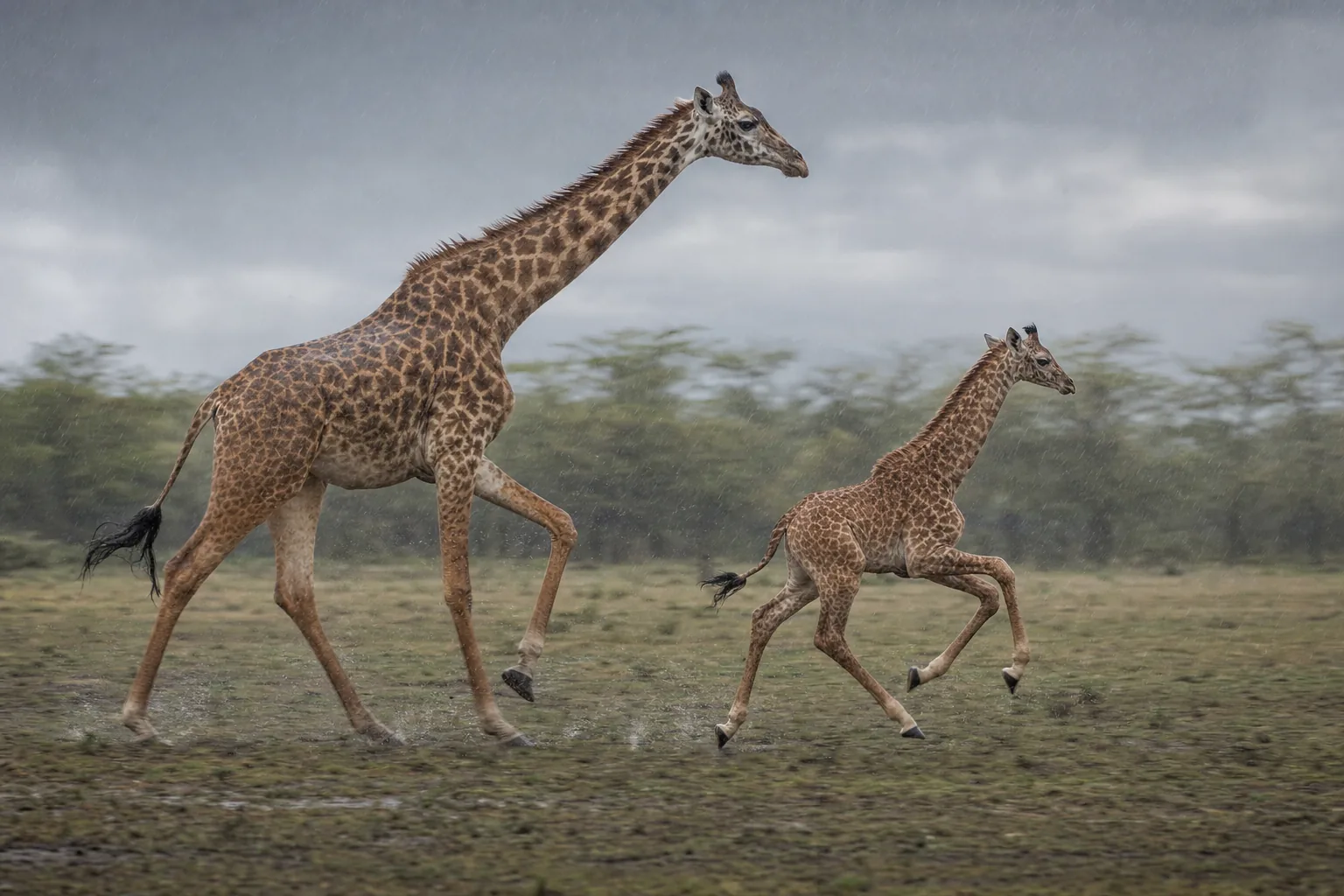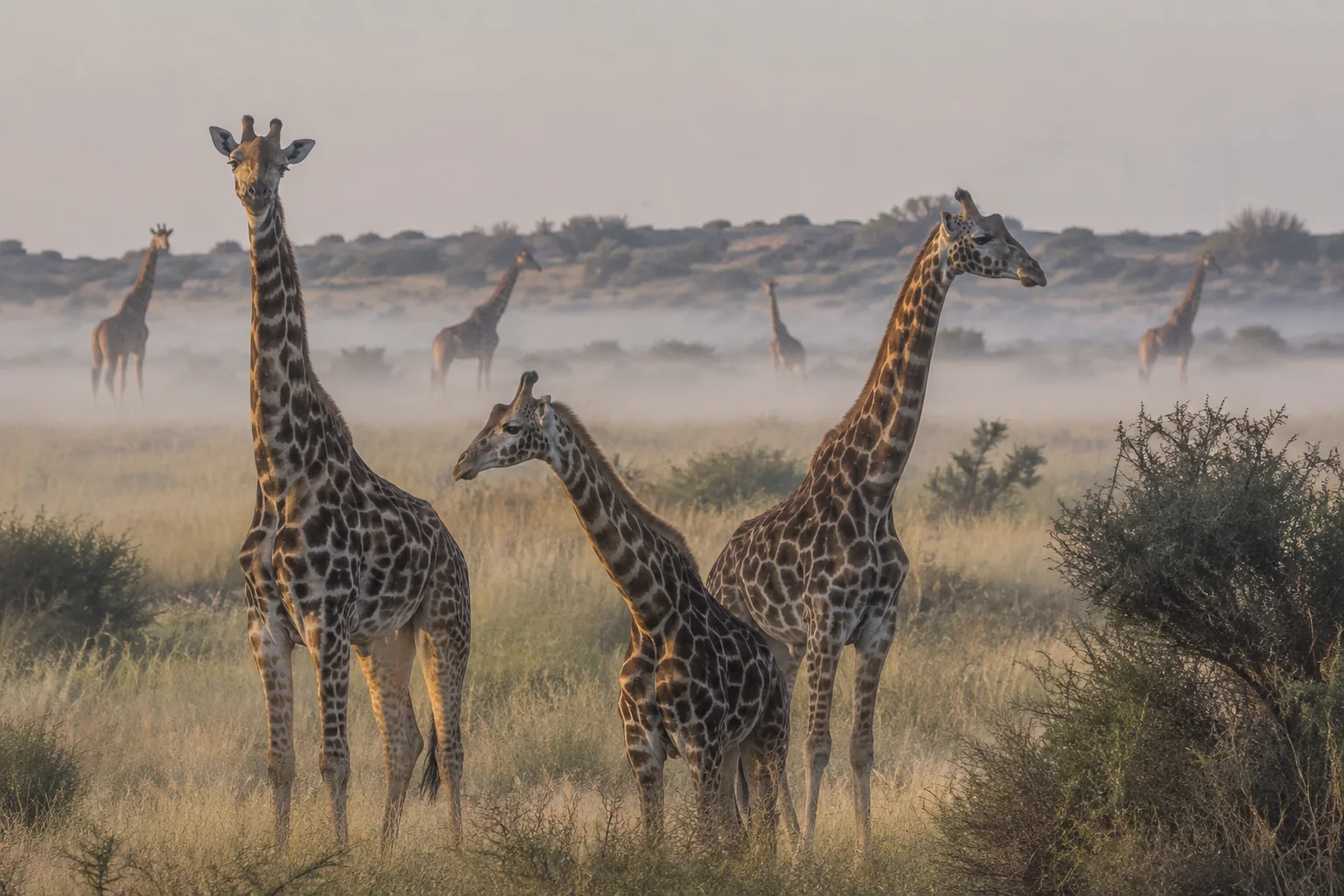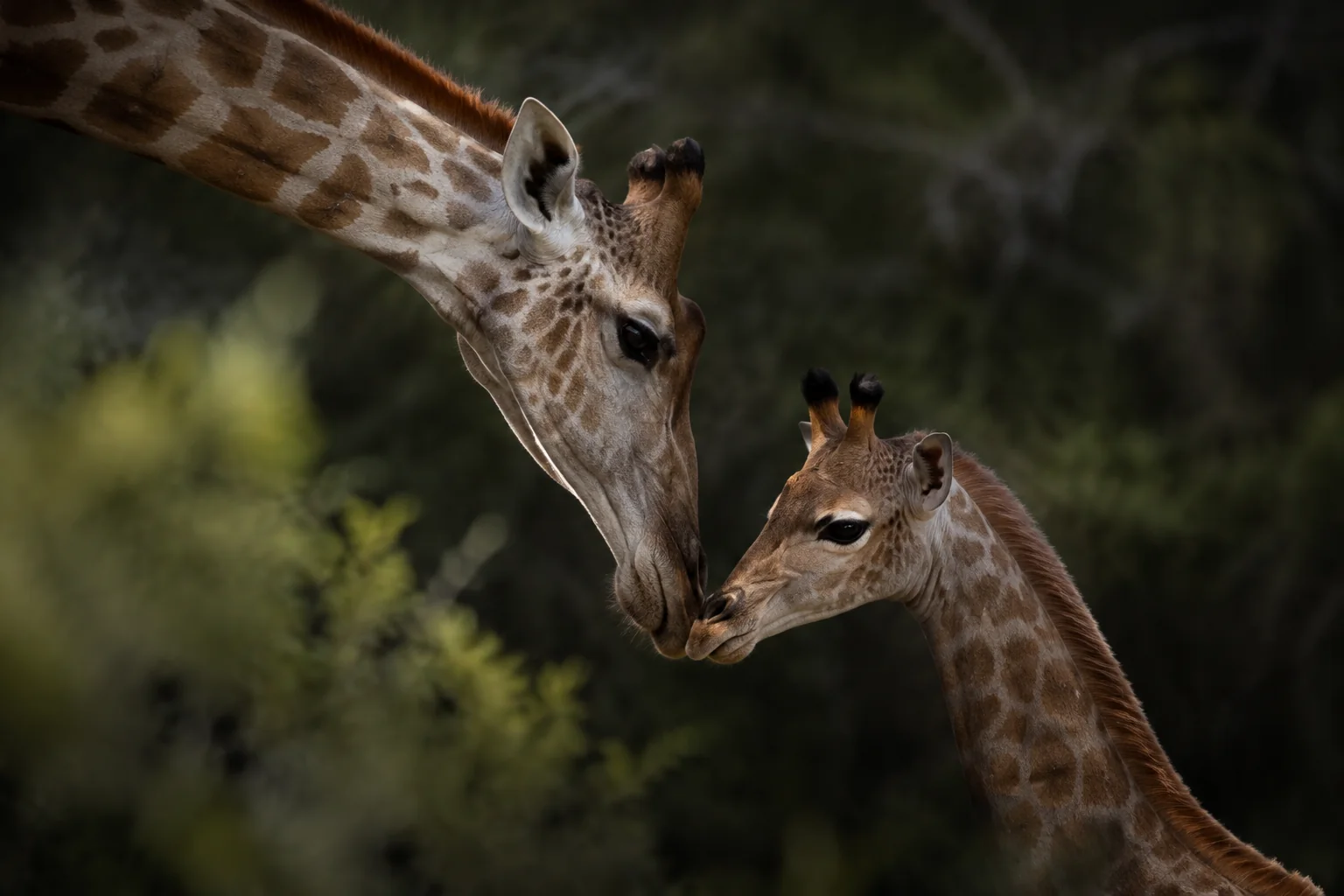
Imagine promising a child a visit to Pietruszka, then discovering that the giraffe has moved to another country. A birthday story can remain near the top of a search long after its subject has left. Warsaw's giraffes are worth getting to know, but a good visit starts by separating a favourite animal's story from the information you need today.
Is Pietruszka still at Warsaw Zoo?
No: Ljubljana Zoo confirms that Pietruszka arrived there from Warsaw on 22 May 2026. Its announcement was published on 26 May. That is the clearest dated answer to the location question, rather than a Warsaw farewell story or an older birthday report. Read the receiving zoo's arrival announcement for the original account and real photographs.
For a Warsaw visit, make the promise about seeing and learning about giraffes, not meeting one named individual. An animal's published biography does not guarantee it will be visible when you arrive.
If you are preparing with children, our giraffe facts for kids includes a printable learning activity. Older readers can start with the four giraffe species to understand the names on animal signs. Both are useful before a visit without turning the day into a lesson to finish.
Pietruszka, Pomelo and the names you may encounter
Warsaw's resident feature introduces Pietruszka and her younger brother Pomelo. It also names Karim, Justyna, Anastazja and Malawi. Those names help connect older stories, but the page still includes Pietruszka: do not use it as a verified current six-giraffe inventory.
Nor is it safe simply to subtract one and declare that five remain. That calculation assumes no other changes. We have not verified a current complete roster, and the animals visible from a viewing area would not necessarily establish one either.
The page uses the Rothschild's name and describes it as an ecotype of the Nubian giraffe. For the broader classification, the species guide above explains how Nubian giraffes sit within the northern giraffe species. Different levels of naming need not describe different animals.
For a young visitor, one simple question is enough: “Is this the name of an individual, or the name of a kind of giraffe?” Pietruszka and Pomelo belong in the first category. A species or subspecies label belongs in the second. Keeping those separate makes zoo signs, news stories and conservation reports easier to follow.
Find the giraffe house and plan the visit
The Polish word to look for is Żyrafiarnia. Warsaw's official bilingual zoo map labels it “Giraffe House,” number 28 in the online legend checked for this guide. Use the name as well as the number: numbering can differ between map editions.
Save the current official map before arriving, then use the signs and staff directions on site. This guide does not certify step-free access, building opening or a particular viewing position; check those details with the zoo if they determine whether your visit is practical.
| Before leaving | What to check | Why it matters |
|---|---|---|
| Find the giraffes | Żyrafiarnia on the current official map | A building name is more useful than a number copied from an old map |
| Choose tickets | The date, ticket category and eligibility conditions | A reduced-price ticket may require documentation |
| Set your arrival time | Current opening hours and notices | A general city guide may retain a different season's hours |
| Set expectations | Whether any relevant access change is announced | A ticket is not a guarantee of seeing a particular animal |
Tickets and opening hours
On 6 September 2026, the zoo's English ticket page listed April–September single-entry prices of 45 PLN regular and 35 PLN reduced. These are dated examples, not a complete tariff or a promise about the price on your visit date. Check the official page for eligibility, family options and the applicable season before purchasing.
Check the official opening-hours page directly for your day. We could not verify its complete current contents during this review, so have not copied a closing time. Do not build your itinerary around an old screenshot or an undated search snippet.
If giraffes are the main reason for your trip, leave room in your itinerary to revisit the viewing area. Treat that as flexible planning, not a claim that a particular hour guarantees better sightings.
Can you watch a giraffe feeding?
The zoo's published feeding schedule, checked on 6 September 2026, lists no giraffe session. It is therefore not a basis for promising a scheduled giraffe feeding or a hands-on encounter. A keeper caring for animals is not automatically running a public activity.
The visitor rules prohibit feeding or disturbing animals and require visitors to stay on designated routes and respect barriers. They also prohibit flash photography inside animal rooms; commercial photography and filming require the zoo's permission.
For families, explain the boundary before reaching the enclosure: watch what the animal chooses to do, rather than trying to make it come closer. Do not offer leaves or snacks, reach through barriers or call for a reaction. Follow the zoo's current signs and staff instructions.
If browsing happens to be visible, there is plenty to notice without intervening. Our giraffe feeding guide explains leaf-eating and digestion; the tongue explainer looks more closely at grasping food. Use those explanations to interpret what you actually see, not to assume the giraffes will demonstrate every behaviour on demand.
A ten-minute giraffe activity for families
Here is an original observation exercise you can use from a permitted viewing area. It needs a pencil and a small piece of paper, not a feeding session, an app or a close-up photograph. Adapt the timing to your child and the conditions; stop if the area is crowded or the animals are out of view.
First, describe one thing you can see
Choose an animal without guessing its name. Write a plain description: “standing beside the doorway,” “moving its jaw,” or “walking towards another giraffe.” Add the time and whether your view is clear or partly blocked.
Then write a separate question: “Was it eating?” or “Will it join the other animal?” This small separation prevents an interpretation from quietly becoming a fact. You do not need the answer to have made a useful observation.
Use the giraffe height guide afterwards to discuss scale. Without a known reference at the same distance and a suitable view, a casual photograph is not a reliable way to measure the animal. “It looked taller from here” can be an honest observation without becoming a height in metres.
Next, look at one patch of coat
If visible, choose a small region such as the side of the neck. Sketch two or three patches and the gaps between them. Can you find the same region again after looking away? Do not lean across a barrier to improve your view.
This is a noticing exercise, not a way to certify identity, sex or species. The coat-pattern guide explains how researchers make more careful comparisons. A primary study of giraffe spot patterns measured pattern traits and examined mother–calf similarities; a quick visitor sketch cannot reproduce that analysis.
Finally, compare two moments
Return to your first description after a few minutes. What changed? What stayed the same? If the animal is no longer visible, write exactly that, rather than inventing where it went or what it did.
Try three columns: what I saw, what I think it could mean, and what I would need to know. For example, one giraffe standing apart is visible evidence of spacing at that moment, not proof that it is lonely. Our giraffe behaviour guide explains why social relationships require more than one snapshot.
The same restraint applies to welfare. This activity cannot diagnose an animal's health or judge its entire living conditions. Its purpose is to make observation more attentive, not to turn a brief visit into an inspection.
Teachers planning something more structured can check the zoo's educational offer. The published school-tour options include giraffes; confirm language, suitability and availability with the zoo before treating an option as bookable for your group.
Why do giraffes move between zoos?
An individual zoo is not necessarily managing its animals in isolation. EAZA's population-management explanation describes EAZA Ex situ Programmes, or EEPs: coordinated programmes with goals for animal populations in human care. “Ex situ” means outside the natural habitat.
Coordinators and species committees use genetic and demographic information to recommend whether animals should move, remain where they are or breed. Different programmes have different roles; maintaining a managed population does not mean every animal is destined for release into the wild.
That is the general framework, not a verified account of every decision behind Pietruszka's move. Her arrival announcement establishes a transfer, not a measured improvement in wild giraffe numbers.
For the wild-conservation question, read are giraffes endangered?. For the evidence behind broader claims, the research library connects readers with papers and selected plain-language summaries. A zoo visit can spark that curiosity without needing an exaggerated claim about what one animal's journey achieves.
What to remember
Follow named animals through dated announcements, and use current zoo information for a visit. Look for Żyrafiarnia on the map; check tickets, hours and notices directly. Leave space for quiet observation without promising a feeding or a particular animal. The most useful souvenir may be a question you can investigate afterwards.
Frequently asked questions
Where is Pietruszka now? The latest confirmed location in the sources reviewed here is Ljubljana Zoo, following her arrival from Warsaw in May 2026. This is a dated update, not live tracking.
Who is Pomelo? Warsaw's resident feature introduces him as Pietruszka's younger brother. That biographical reference does not guarantee where or when he will be visible during a visit.
What is the giraffe house called in Polish? Żyrafiarnia. Look for the label on the zoo's current map and signs.
Can visitors feed the giraffes? Do not feed them. Follow the zoo's rules and staff instructions; the public schedule reviewed for this guide advertises no giraffe feeding session.
Sources
Primary sources are linked beside the information they support: the receiving zoo's arrival announcement, Warsaw's resident feature and visitor pages, EAZA's programme explanation, and the coat-pattern research paper. The observation activity is our own educational suggestion, not a validated research protocol.
Reviewed on 6 September 2026. Animal locations, prices, access and schedules can change. We have not independently verified Warsaw's complete current giraffe roster or its closing time.