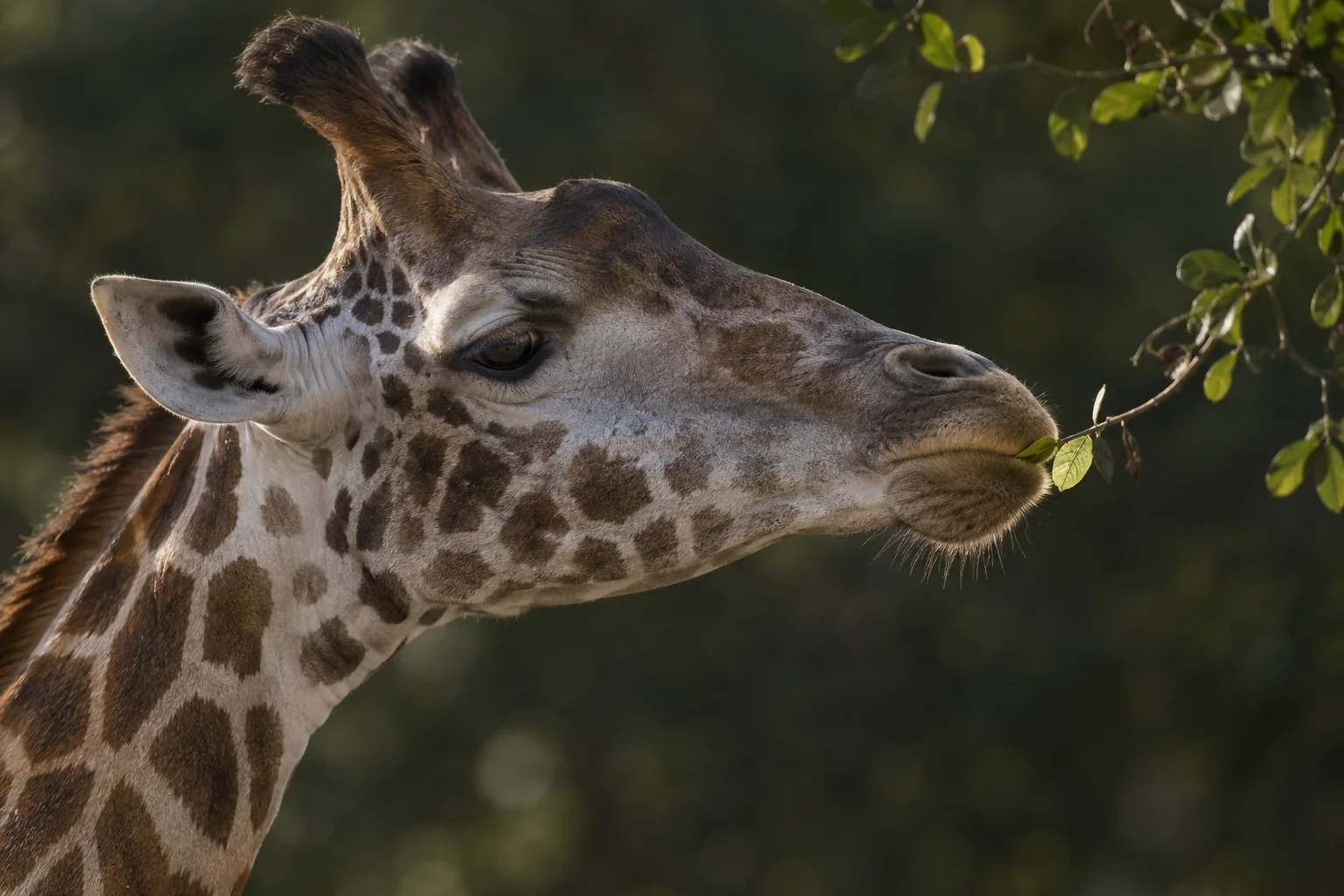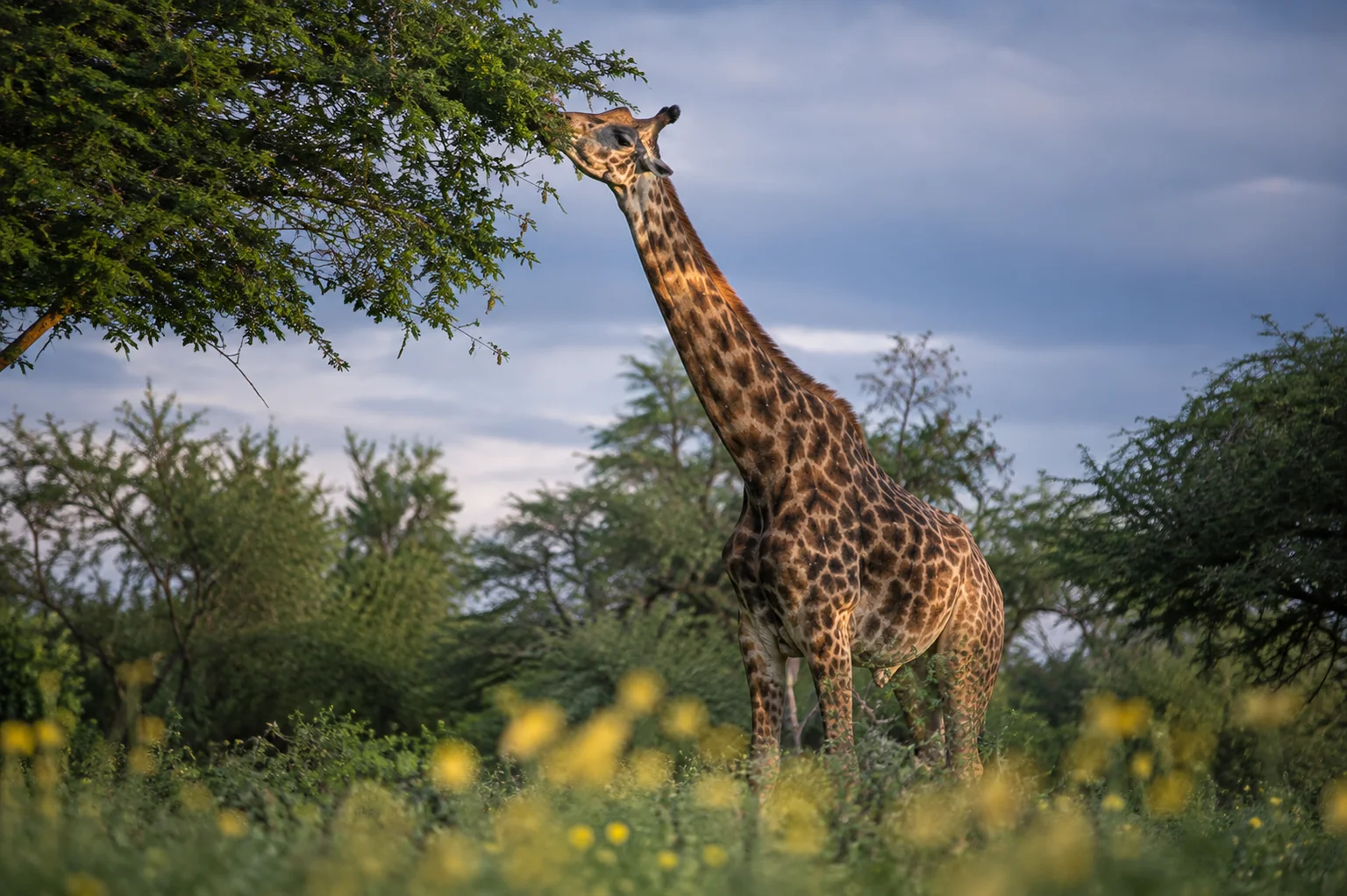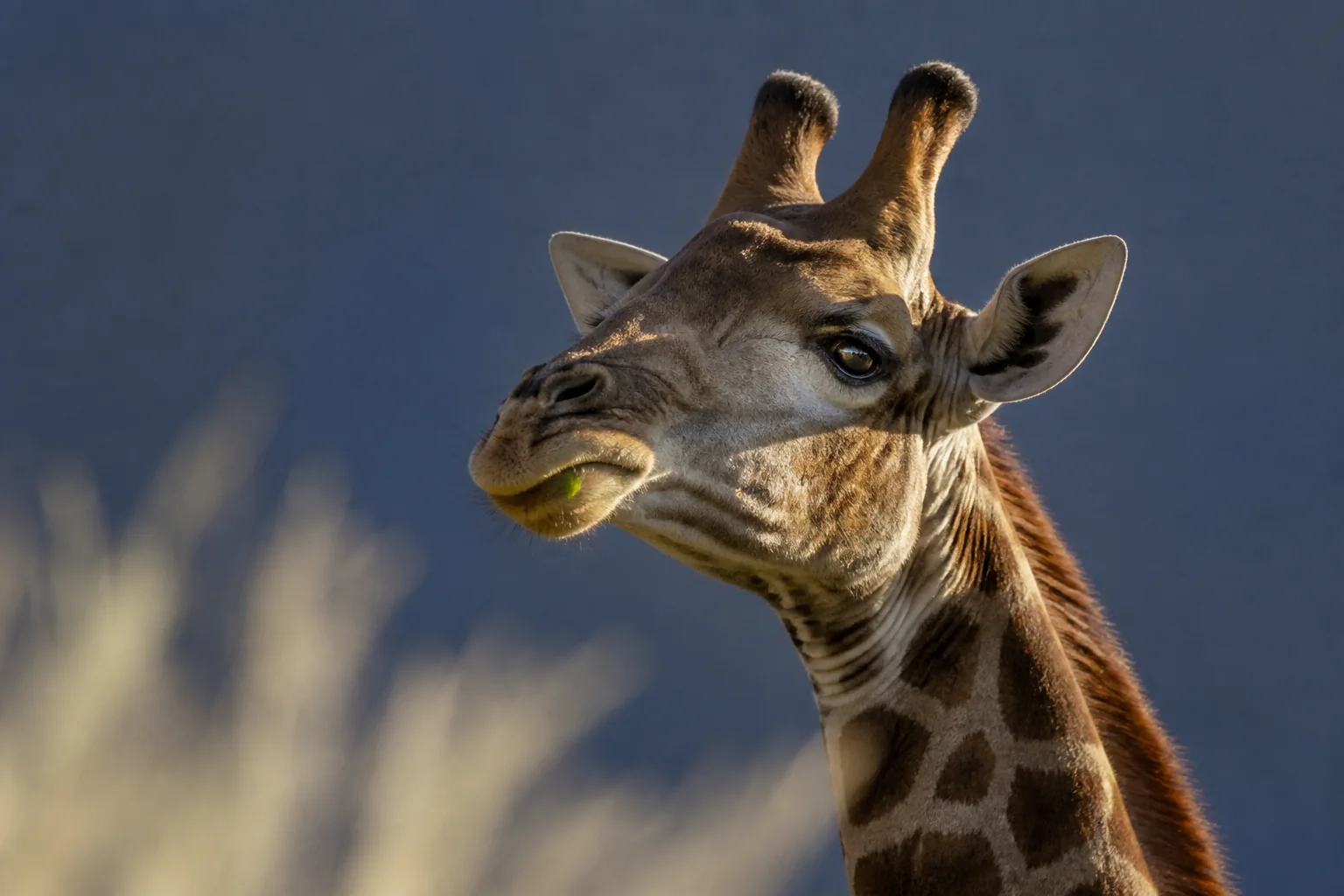
For a giraffe, a leafy branch is both a food source and a defended surface. Spines can restrict access to the leaves, while compounds inside the leaves can affect their value as food. The important question is whether a tree keeps the same protection all the time or changes its traits where browsing is intense.
A. D. Zinn, David Ward and K. Kirkman examined that question in a 2007 study of Acacia sieberiana in KwaZulu-Natal, South Africa. Their comparison revealed several differences between heavily and lightly browsed trees, alongside other traits that did not follow the predicted pattern.
A defence has a cost as well as a benefit
Plants need resources to make leaves, branches and protective structures. Maintaining every possible defence at its maximum would consume resources that could support growth or reproduction. Biologists therefore distinguish defences that remain relatively constant from those produced or strengthened in response to damage.
A spine and a chemical compound also work differently. A longer spine can make a mouthful harder to reach. Smaller leaves can reduce the food gained while negotiating that obstacle. Tannins can bind proteins and alter their availability during digestion; cyanogenic compounds can release hydrogen cyanide when plant tissue is disrupted.
These mechanisms make a coordinated response plausible, but they do not imply that every defence must rise together. The researchers measured several traits separately rather than using a single label such as well-defended foliage.
Sixty trees across three browsing conditions
The team worked at iHlanzi Game Ranch, where giraffe browsing pressure differed among areas. They identified low-, medium- and high-intensity sites from observations and evidence of vegetation change, then randomly selected 20 trees in each.
From March to June 2005, they measured leaves and spines on outer branches above 2.5 metres, concentrating on the feeding zone accessible to giraffes rather than the shorter browsing animals present. Leaf samples were analysed for condensed tannins, nitrogen and total cyanide.
The contrast was between sites already experiencing different conditions. Trees were not randomly assigned to a controlled browsing treatment. The less browsed area also had denser vegetation, and unmeasured differences in water, nutrients, light or tree genetics could contribute to the results. Sixty trees improve knowledge of those sites, but do not turn three sites into many independent landscapes.
Some traits changed together
Trees at the heavily browsed site had longer spines and shorter, narrower leaves than those at the lightly browsed site. Mean leaf length was 6.3 centimetres under heavy browsing, compared with 11 centimetres under light browsing. That pairing could make feeding less rewarding: more protection surrounds a smaller piece of food.
Total cyanide also differed substantially. The reported mean was about 565 parts per million at the high-intensity site, 324 at the intermediate site and 119 at the low-intensity site. These are chemical measurements of sampled leaf material, not measurements of the dose eaten by a giraffe or evidence of poisoning.
The combination was consistent with the possibility that intense browsing was associated with stronger protection. It did not establish that giraffes subsequently ate less from those trees. The researchers measured plant traits, not an experimental change in the animals’ feeding performance.
The tannin result complicated a simple response story
Condensed tannin concentrations did not show a statistically clear difference among the three sites. Leaf nitrogen also did not differ clearly between the high- and low-intensity areas. Nor did the high- and low-intensity trees differ clearly in spine density or leaf density along the sampled branches.
The absence of a clear tannin difference did not mean the leaves contained no tannins. The authors considered a relatively persistent tannin defence as one possible explanation. They also noted that the sample might not have been sufficient to detect a difference. A result that is not statistically resolved should not be converted into proof that the trait never responds.
Even the longer spines have more than one interpretation. Browsing can alter branch growth, leaving short, thick sections whose spines differ from those formed later on elongating shoots. Longer spines could therefore arise partly through changes in growth structure rather than a separately activated defensive response.
The next comparison needs to follow the tree
The paper’s value lies in separating these possibilities. Different traits can show different patterns under the same broad browsing conditions, and the mechanism behind a visible feature may be less direct than it appears.
Following comparable trees before and after controlled access by browsers would help test whether the same individuals change their chemistry and growth. Repeating the comparison across several sites would also separate local environmental differences from a consistent response to herbivory. Measuring branch growth alongside spine development is particularly relevant to the alternative explanation raised by the authors.
For understanding what giraffes eat, the study adds another layer beyond counting trees and leaves. Food availability includes the effort required to harvest foliage and its chemical composition. A heavily used tree may present a different meal, but the evidence needs to establish which features change, why they change and what those changes mean for the browser.
Sources
A. D. Zinn, D. Ward and K. Kirkman. (2007). Inducible defences in Acacia sieberiana in response to giraffe browsing. African Journal of Range & Forage Science. DOI: 10.2989/ajrfs.2007.24.3.2.295. Read the full paper.