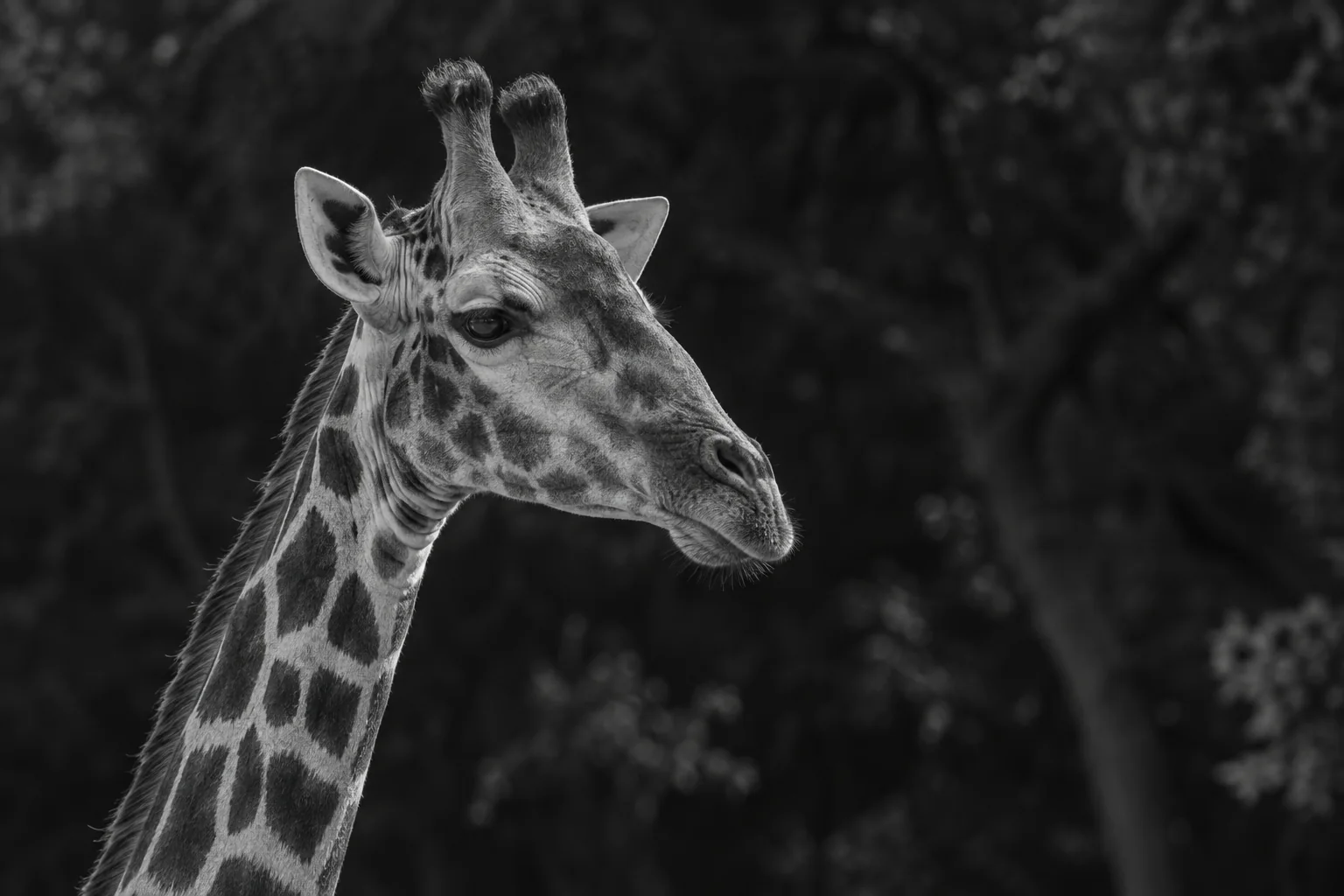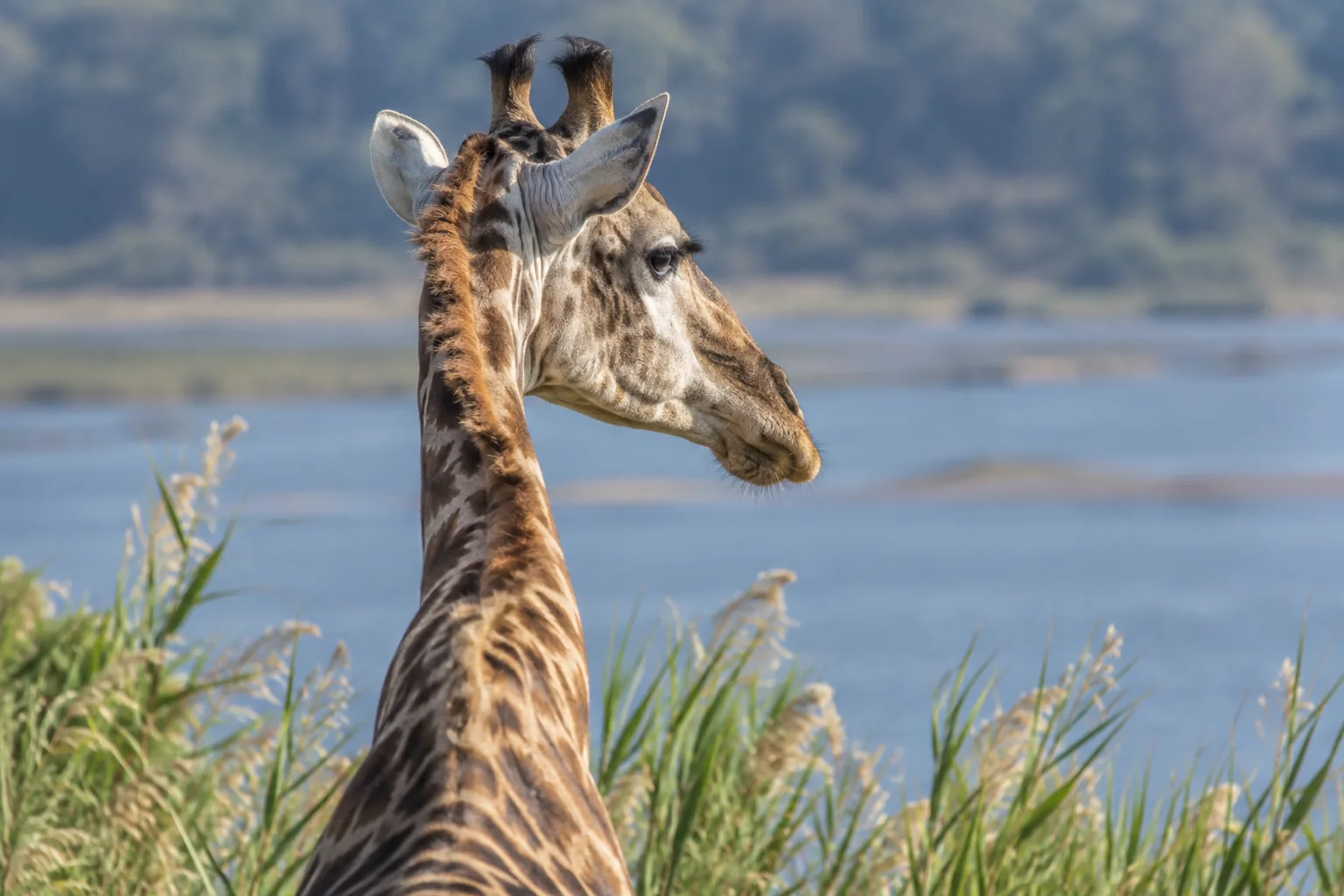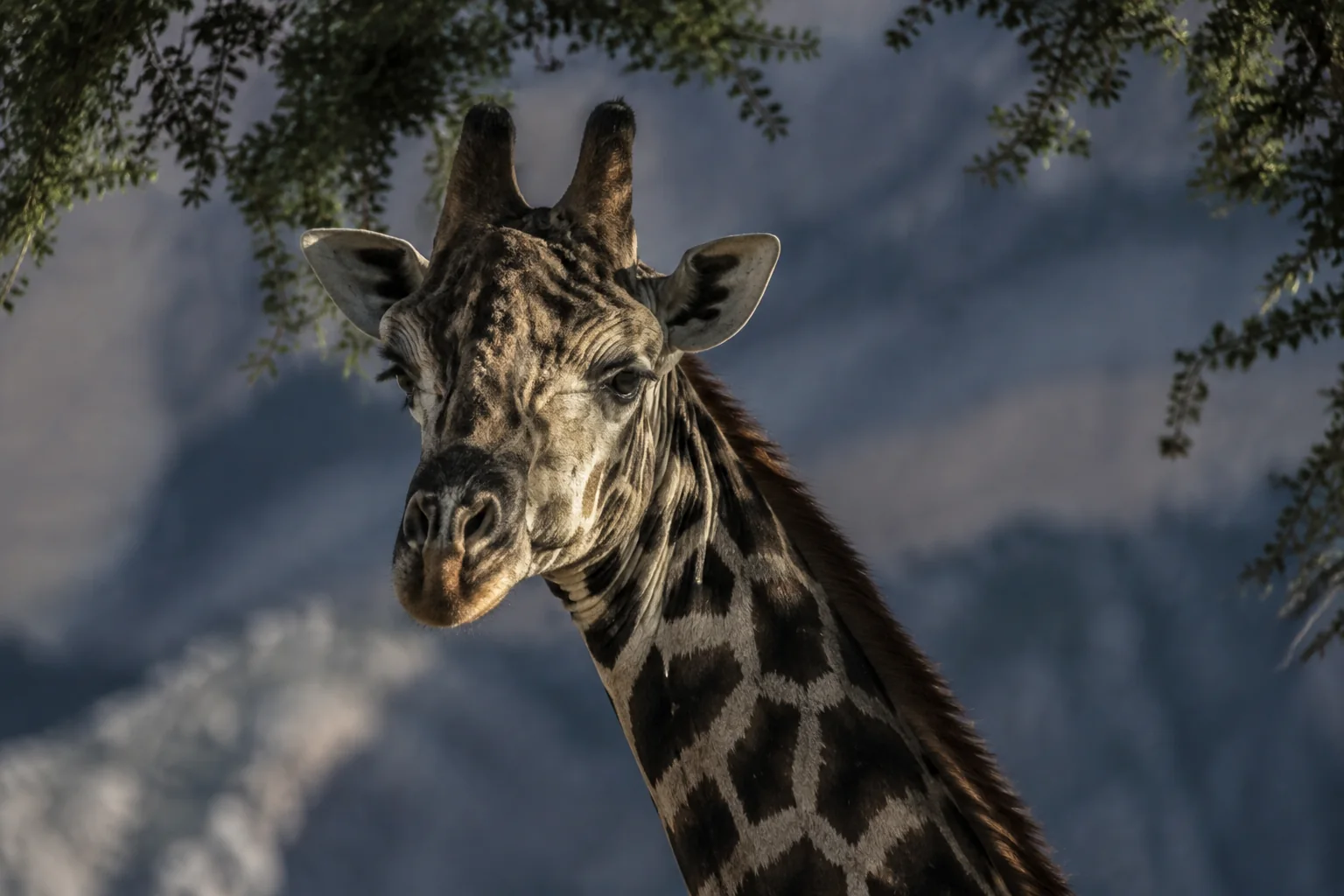
Collecting dung is an attractive way to study a giraffe’s response to a changing environment. The animal can continue its day while researchers collect a sample left behind. But an unobtrusive sample is only useful if the laboratory test measures the biological change researchers think it measures.
Meredith J. Bashaw and colleagues tested that foundation for giraffes. Their 2016 study compared six assays—laboratory methods for detecting particular chemical structures—instead of assuming that a test named after a familiar stress hormone would work best.
Two tests directed at groups of hormone breakdown products gave the clearest, most consistent responses. This created a practical tool for welfare and conservation research, while explaining why a concentration in dung should never be read as a self-contained verdict on how a giraffe feels.
The chemical trace has already changed
The adrenal glands release glucocorticoid hormones as part of the body’s response to demands and arousal. Before these hormones leave in dung, they undergo extensive chemical changes, including processing in the liver and gut.
The laboratory is therefore usually looking at metabolites: products left after the original hormone has been broken down. Their mixture can differ between species and individuals. An assay that recognises cortisol well in blood may be less useful when presented with the altered chemicals in giraffe dung.
This also introduces a delay. A sample reflects earlier adrenal activity after processing and passage through the digestive system. It is not an instantaneous reading of the animal’s state at the moment of collection.
The team needed two kinds of check. Could an assay detect a response when the adrenal system was deliberately stimulated? And could it detect changes following a real management event?
Two tests of the same measurement
Two adult males, one in South Africa and one in Australia, received an injection of adrenocorticotropic hormone, or ACTH. This signal stimulates the adrenal glands. Samples collected before and afterwards allowed each giraffe’s response to be compared with its own earlier concentrations.
All six assays detected an increase in the first male. Only three detected one in the second. Two related assays, both directed at groups of metabolites recognised using 11-oxoetiocholanolone antibodies, produced particularly clear and prolonged elevations.
That duration is practically important. If an assay only detects a very brief peak, collecting dung once a day could miss it. A more sustained detectable response gives observers a better chance of identifying a change under ordinary zoo or field conditions.
The males differed in age, surroundings, injection dose and sampling frequency. The comparison therefore cannot isolate exactly why their traces differed. Its value was in identifying methods that detected a response despite those differences.
The second check followed five giraffes during transfers already required for management. These included males and females, younger and older animals, and journeys within or between zoos. The transfers were not created for the study.
Both selected assays detected post-transfer elevations in all five. With one assay, peak concentrations occurred one or two days after transport, and elevated periods lasted several days. The result supported using dung to follow the response beyond the journey itself.
A response is not a welfare diagnosis
Transport combines several experiences: loading, movement, handling, a new place and sometimes new companions. The samples could identify an adrenal response to this combined event, but could not assign it to one component or distinguish every possible emotional state.
The authors emphasised that exciting and adverse events can activate the same adrenal system. An elevated result therefore needs information about the animal’s behaviour, environment and health. Whether the response resolves, persists or recurs can be more informative than one isolated number.
The study also explored collection time in a single male. One assay showed a daily pattern over the two days sampled. That is too little evidence to establish a universal giraffe rhythm, but enough to flag time of collection as a possible source of variation when comparing samples.
Taken together, these checks argue for following an animal against its own baseline and recording the circumstances of sampling. A difference between two giraffes may reflect more than a difference in welfare.
Turning a laboratory result into useful observation
The achievement was not a scale ranking giraffes from relaxed to distressed. It was a validated route for adding physiological evidence to observations that keepers and field researchers already make.
For example, after a move, an animal might resume visible feeding while its adrenal response changes on a different timetable. Recording both would allow researchers to investigate the mismatch. The present study established the measurement needed for that question; it did not test every possible move or management response.
A larger comparison across ages and sexes would help clarify how the mixture of metabolites varies. Longer follow-up around transfers could also investigate which features of settling into a new environment accompany recovery. Those studies would still need behavioural and health information to interpret the hormone trace.
Collecting dung removes the need to disturb a giraffe for every reading. Validation is what turns that convenience into evidence: it shows which laboratory signals respond to a known biological change and how cautiously they should be carried into a welfare decision.
Sources
- Meredith J. Bashaw, Florian Sicks, Rupert Palme, Franz Schwarzenberger, Adrian S. W. Tordiffe and André Ganswindt (2016). Non-invasive assessment of adrenocortical activity as a measure of stress in giraffe (Giraffa camelopardalis). BMC Veterinary Research 12, 235. DOI: 10.1186/s12917-016-0864-8. Open full text.